
Why USA Pickleball Equipment Approval Has Become Essential for Pickleball Paddle Brands
The pickleball industry has experienced unprecedented growth over the past decade. What began as a recreational backyard sport has evolved into one of the fastest-growing sports worldwide, supported by professional tournaments, dedicated clubs, retailers, and millions of players.
As competition among brands increases, launching a high-quality pickleball paddle is no longer enough. Players, distributors, tournament organizers, and retailers increasingly expect paddles to meet recognized equipment standards.
For many premium brands, obtaining USA Pickleball Equipment Approval (formerly known as USAPA certification) has become an important milestone.
An approved pickleball paddle offers several advantages:
- Increased market credibility
- Greater retailer confidence
- Eligibility for sanctioned competition
- Stronger consumer trust
- Higher brand value
- Better international market acceptance
However, many new brands discover that obtaining approval is more complicated than expected.
Questions commonly include:
- How does the approval process work?
- What documents are required?
- How should the paddle be designed?
- Why do some paddles fail the review?
- How can OEM manufacturers help improve the approval success rate?
At POM, we have extensive experience developing OEM pickleball paddles, helping customers optimize designs before submission, and supporting brands through every stage of product development.
This guide explains the complete approval process from an engineering and manufacturing perspective.
1. What Is USA Pickleball Equipment Approval?
Many people still refer to the process as USAPA certification, but the official program is now called the USA Pickleball Equipment Approval Program.
Rather than certifying a manufacturer, the program evaluates whether a specific pickleball paddle model complies with the organization’s published equipment standards for sanctioned competition.
Approval helps ensure that paddles used in official events meet consistent requirements related to dimensions, construction, and playing characteristics.
It is important to understand that approval applies to the specific paddle model submitted. If major design changes are made later—such as different surface materials, core construction, or dimensions—a new submission may be required.
2. Why Should Pickleball Paddle Brands Apply for Approval?
Not every paddle sold worldwide requires official approval. Recreational products can often be marketed without it.
However, brands targeting competitive players, specialty retailers, clubs, or tournament markets usually benefit from obtaining approval.
Key advantages include:
Increased Consumer Confidence
Players often associate approved equipment with higher quality and consistency.
Retail Opportunities
Many professional retailers prefer carrying approved pickleball paddles because customers actively search for competition-ready products.
Tournament Eligibility
Approved paddles may be eligible for use in sanctioned competitions, subject to the applicable event rules.
Stronger Brand Reputation
Approval demonstrates that a manufacturer has invested in product development, testing, and compliance rather than simply producing generic equipment.

3. Which Pickleball Paddles Should Be Submitted for Approval?
Not every product in a company’s portfolio needs immediate submission.
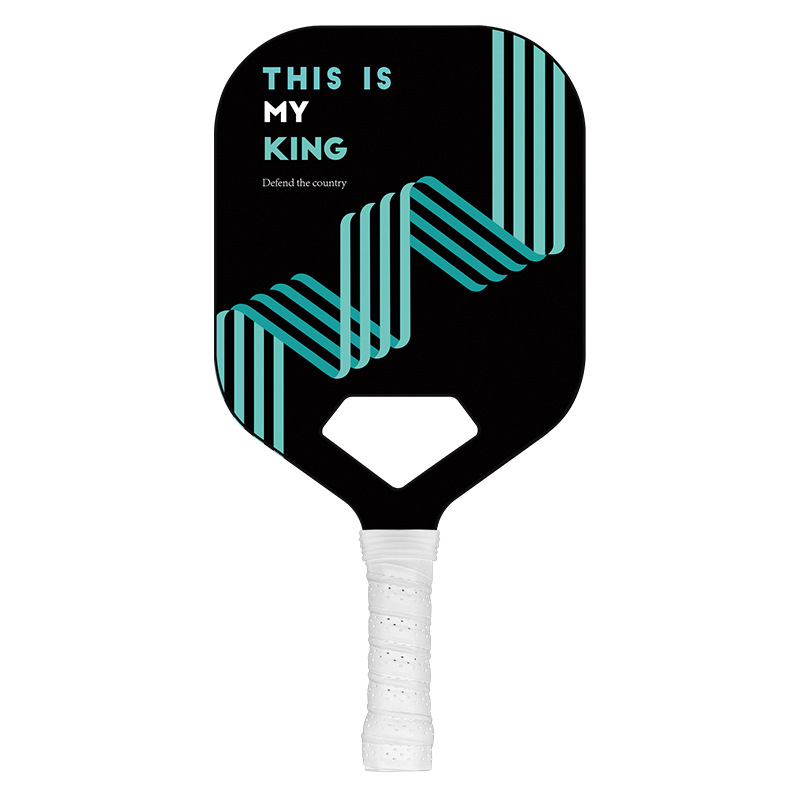
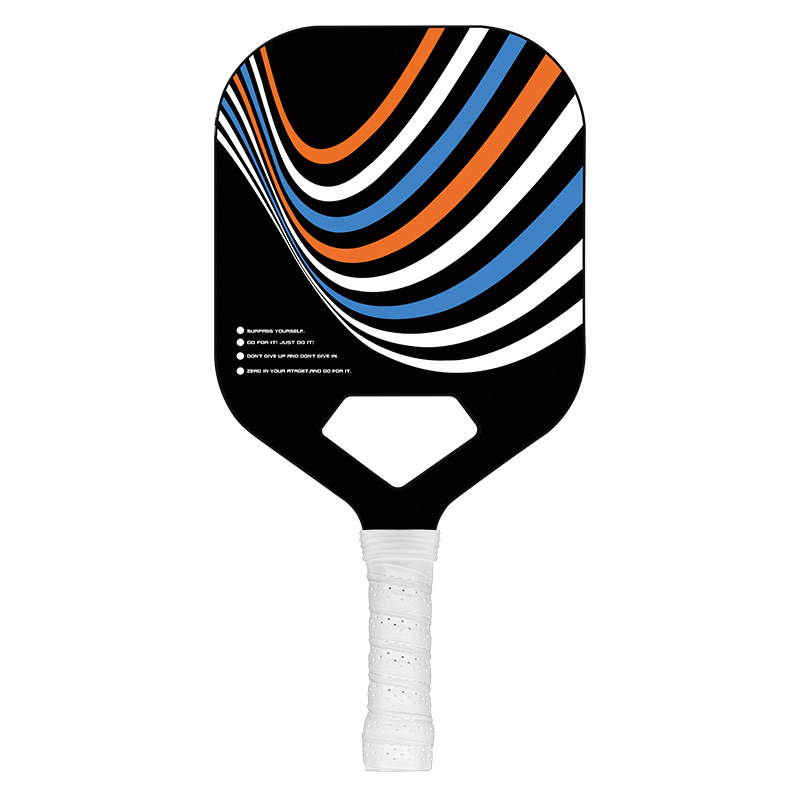
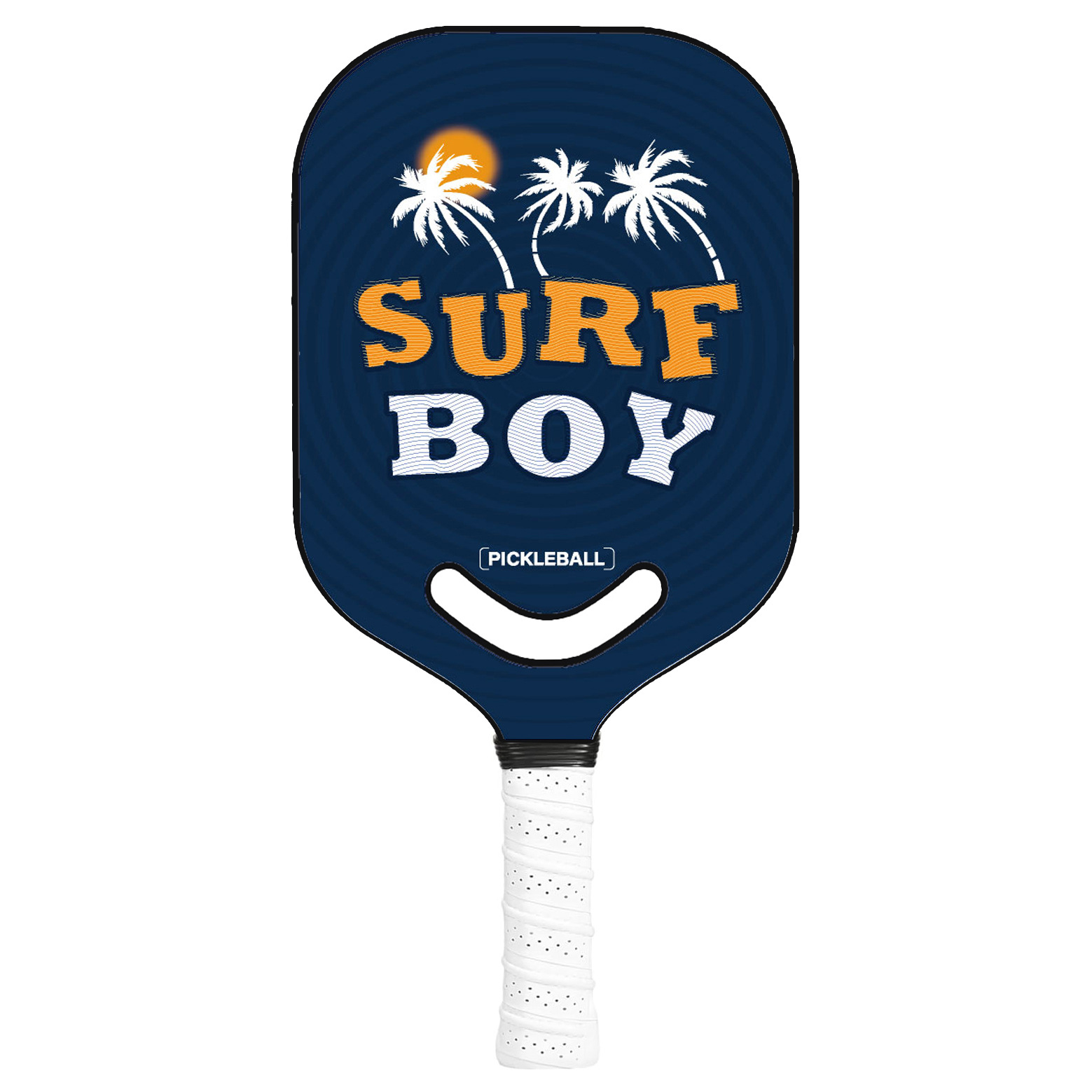
Many successful brands prioritize approval for:
- Premium carbon fiber paddles
- Thermoformed paddles
- Tournament models
- Professional player signature paddles
- Flagship OEM products
Training paddles, promotional products, or entry-level recreational paddles may not require approval depending on the intended market.
Before beginning the application process, brands should clearly define:
- Target customers
- Sales channels
- Tournament ambitions
- Geographic markets
This helps determine whether approval aligns with the product strategy.
4. Designing a Pickleball Paddle for Approval from the Beginning
One of the biggest mistakes new brands make is designing a paddle first and considering compliance only after production begins.
A better approach is to integrate compliance into the design stage.
A professional pickleball paddle factory should evaluate every major component before prototypes are produced.
Important design considerations include:
Overall Paddle Dimensions
The paddle should be designed within the dimensional limits specified by the current equipment standards.
Edge Construction
Engineers should ensure that edge guards or edgeless designs maintain structural integrity without affecting compliance.
Handle Design
Grip length, circumference, and attachment should be optimized for both performance and manufacturing consistency.
Core Construction
Popular options include:
- Polymer honeycomb cores
- Polypropylene cores
- Thermoformed composite structures
Each affects power, control, vibration, and durability.
Face Materials
Common choices include:
- Raw carbon fiber
- T700 carbon fiber
- Fiberglass composites
- Hybrid composite laminates
Selecting the right material is essential for achieving the desired balance of spin, feel, and durability.
5. Prototype Development: Why Engineering Validation Comes Before Submission
Professional manufacturers never recommend submitting the first prototype directly for approval.
Instead, several rounds of engineering validation should be completed first.
At POM, prototype development typically focuses on multiple performance areas.
5.1 Weight Consistency
Every pickleball paddle should maintain tight production tolerances.
Excessive weight variation may affect:
- Player feel
- Swing speed
- Balance
- Product consistency
5.2 Balance Point Optimization
Players evaluate more than total weight.
The balance point influences:
- Maneuverability
- Reaction speed
- Control at the kitchen line
- Power generation
Engineers adjust internal structures to achieve the desired balance profile.
5.3 Surface Construction
Modern paddles often emphasize spin potential.
However, manufacturers must ensure that surface construction remains consistent and appropriate for competition requirements.
This includes careful control of:
- Carbon fiber layup
- Resin systems
- Surface finishing
- Manufacturing repeatability
5.4 Structural Durability
Prototype testing should evaluate long-term durability through:
- Repeated impact testing
- Edge bonding evaluation
- Handle strength assessment
- Core stability testing
Durability testing reduces the likelihood of production issues after approval.
5.5 Manufacturing Repeatability
A single excellent prototype is not enough.
The OEM factory should demonstrate that the same design can be manufactured consistently across larger production runs.
This includes controlling:
- Material sourcing
- Lamination quality
- Thermoforming parameters
- Adhesive application
- Final inspection
Consistent manufacturing is essential for maintaining brand reputation after product launch.
6. The Complete USA Pickleball Equipment Approval Process for a Pickleball Paddle
Once your pickleball paddle has completed engineering validation and prototype testing, the next step is preparing for the official equipment approval process.
Although the exact procedures and requirements may evolve over time, the approval workflow generally follows these stages:
Step 1: Finalize the Paddle Design
Before submitting, ensure the production version is finalized.
This includes:
- Paddle dimensions
- Core construction
- Face material
- Surface finish
- Handle design
- Edge guard configuration
- Graphics and branding
Changing major specifications after approval may require a new submission.
Step 2: Prepare Product Documentation
Professional brands organize complete technical information before applying.
Typical documentation may include:
- Product name
- Brand information
- Paddle specifications
- Material descriptions
- Product photographs
- Manufacturing details
Preparing accurate documentation helps reduce unnecessary delays.
Step 3: Submit Product Samples
Manufacturers usually prepare production-quality samples rather than early prototypes.
Samples should accurately represent the products that customers will ultimately purchase.
Consistency between submitted samples and future production is critical.
Step 4: Equipment Evaluation
The submitted pickleball paddle is evaluated against the applicable equipment standards.
The evaluation focuses on whether the paddle complies with the published requirements rather than comparing it with competing products.
Step 5: Approval and Listing
If the paddle successfully meets the applicable requirements, it may be added to the official list of approved equipment.
Brands can then promote the approved model according to the applicable program policies.
7. Preparing Your Pickleball Paddle Before Submission
Many first-time applicants underestimate how much preparation should occur before sending samples.
Professional pickleball paddle factories recommend conducting internal engineering reviews first.
Important evaluation areas include:
7.1 Dimensional Verification
Verify:
- Paddle length
- Paddle width
- Handle length
- Overall geometry
Precision measurement reduces avoidable compliance issues.
7.2 Weight Consistency
Although approval focuses primarily on equipment requirements rather than preferred playing weight, manufacturing consistency remains essential.
OEM factories should verify:
- Average weight
- Weight tolerance
- Swing consistency
- Balance point repeatability
7.3 Cosmetic Quality
The submitted paddle represents the brand.
Professional inspection should evaluate:
- Surface finish
- Logo quality
- Edge guard installation
- Handle wrapping
- Overall workmanship
A premium appearance reinforces brand credibility.
8. Common Reasons Why a Pickleball Paddle May Require Redesign Before Approval
Many approval delays are preventable.
Experienced manufacturers identify potential issues during development rather than after submission.
Typical design concerns include:
Surface Construction
Modern players increasingly demand higher spin performance.
However, manufacturers should ensure surface construction remains consistent with current equipment requirements.
Professional engineering carefully balances:
- Player performance
- Durability
- Surface consistency
- Manufacturing repeatability
Dimension Changes During Production
Prototype dimensions may differ slightly from production versions if manufacturing processes are not fully optimized.
Professional factories use precision tooling to minimize variation.
Structural Consistency
Potential issues include:
- Core movement
- Delamination
- Edge separation
- Handle looseness
Comprehensive durability testing helps identify these risks before submission.
Manufacturing Variation
Approval applies to the submitted design.
Therefore, factories must ensure future production maintains the same specifications.
Large variation between production batches can create quality problems even after approval.
9. Surface Technology and Pickleball Paddle Performance
Surface engineering has become one of the fastest-evolving areas of pickleball paddle development.
Modern premium paddles often use:
- Raw carbon fiber
- Textured carbon fiber
- Composite laminates
- Fiberglass systems
Each material influences:
- Ball feel
- Control
- Spin potential
- Durability
Professional manufacturers evaluate these factors during product development.
9.1 Carbon Fiber Surface Systems
Carbon fiber remains the preferred choice for many premium paddles because it offers:
- Excellent stiffness
- Stable performance
- Lightweight construction
- Professional feel
Different carbon fabrics produce different playing characteristics.
Experienced OEM factories help brands select the appropriate material based on target customers.
9.2 Surface Consistency Matters More Than Marketing Claims
Many buyers focus on aggressive marketing descriptions.
Professional manufacturers instead prioritize:
- Consistent production
- Repeatable performance
- Reliable quality
A paddle that performs consistently across thousands of units creates greater long-term customer satisfaction than one exceptional prototype.
10. Thermoformed Pickleball Paddle Manufacturing and Approval Considerations
Thermoformed pickleball paddles have become increasingly popular because of their:
- Larger sweet spot
- Increased stability
- Enhanced structural strength
- Modern playing characteristics
However, thermoforming introduces additional manufacturing challenges.
Professional factories carefully control:
- Lamination sequence
- Compression pressure
- Heating temperature
- Cooling process
- Foam injection
- Bonding quality
Stable manufacturing processes improve consistency from prototype to mass production.
10.1 Why Process Control Is Critical
A well-designed paddle can still experience inconsistent performance if manufacturing parameters fluctuate.
Professional quality systems monitor:
- Temperature
- Pressure
- Cycle time
- Material traceability
Repeatable manufacturing supports consistent product quality.
11. Why Working with an Experienced Pickleball Paddle Factory Improves Approval Success
Many new brands focus only on factory pricing.
However, experienced engineering support often provides greater long-term value.
A professional pickleball paddle factory assists customers by:
Product Engineering
Helping optimize:
- Paddle geometry
- Material selection
- Core construction
- Weight distribution
Prototype Development
Supporting:
- Multiple design iterations
- Sample evaluation
- Performance improvements
Manufacturing Optimization
Controlling:
- Production repeatability
- Material consistency
- Quality inspection
Documentation Assistance
Helping customers prepare:
- Technical specifications
- Product information
- Sample consistency
Well-prepared documentation streamlines the overall project.

12. Why POM Is the Preferred Pickleball Paddle Factory for Global Brands
At POM, we believe successful OEM development begins long before production.
Our engineering team works closely with customers throughout the entire product lifecycle.
We provide:
Professional Paddle Design
Supporting:
- Carbon fiber paddles
- Fiberglass paddles
- Thermoformed paddles
- Tournament models
- Recreational products
Prototype Development
Including:
- Structural optimization
- Weight balancing
- Performance tuning
- Manufacturing verification
OEM Manufacturing
Our capabilities include:
- Custom logos
- Private labeling
- Retail packaging
- Color customization
- Product assembly
Strict Quality Management
Every production stage is monitored through:
- Incoming material inspection
- In-process quality control
- Finished product inspection
- Performance verification
As a professional pickleball equipment manufacturer, our objective is not simply to manufacture paddles.
We help customers develop reliable, competitive products that meet the expectations of players, distributors, and retailers worldwide.
13. Cost Planning for Pickleball Paddle Equipment Approval
For many startups and private-label brands, one of the first questions is:
“How much does it cost to launch an approved pickleball paddle?”
The answer extends well beyond the application itself. A successful product launch requires careful planning across design, engineering, testing, manufacturing, branding, and commercialization.
Typical cost categories include:
- Industrial design and product development
- Prototype manufacturing
- Mold development (for custom shapes)
- Material sourcing
- Laboratory and performance testing
- Equipment approval application
- Packaging and branding
- Mass production
- International shipping
- Marketing and product launch
Professional brands should build these costs into their overall product development budget rather than treating approval as an isolated expense.
13.1 Don’t Focus Only on the Lowest Manufacturing Cost
Many new brands choose the lowest quotation they receive.
Unfortunately, the cheapest supplier often results in:
- Multiple prototype revisions
- Longer development cycles
- Higher defect rates
- Inconsistent production quality
- Increased warranty claims
- Delayed product launches
An experienced pickleball paddle factory may have a slightly higher unit price but often reduces total project costs by minimizing redesigns and production risks.
14. Production Planning After Equipment Approval
Receiving approval is an important milestone, but it is not the end of the product development process.
The next challenge is ensuring every production batch maintains the same quality as the approved sample.
Professional manufacturers establish standardized operating procedures covering:
Raw Material Control
Every incoming material should be inspected for consistency, including:
- Carbon fiber fabrics
- Polymer honeycomb cores
- Adhesives
- Edge guard materials
- Grip tapes
- Printing inks
Maintaining stable suppliers reduces product variation.
Process Control
Critical manufacturing processes should be standardized, including:
- Carbon fiber layup
- Thermoforming temperature
- Pressure cycles
- Foam injection
- Adhesive curing
- Surface finishing
Small process variations can influence paddle performance.
Final Inspection
Before packaging, each production batch should undergo inspections for:
- Weight consistency
- Balance point
- Surface finish
- Edge quality
- Handle installation
- Cosmetic appearance
Professional quality control protects both the manufacturer and the brand.
15. Building a Long-Term Pickleball Paddle Brand
Launching one successful pickleball paddle is only the beginning.
Leading brands focus on long-term product development strategies that include:
Continuous Product Improvement
Collect feedback from:
- Professional players
- Coaches
- Retail partners
- Club owners
- Recreational players
Real-world feedback often drives the next generation of successful products.
Multiple Product Series
Many established brands expand into:
- Beginner paddles
- Intermediate paddles
- Professional tournament paddles
- Lightweight models
- Power-focused paddles
- Control-focused paddles
- Junior paddles
A diversified product portfolio helps attract a broader customer base.
Brand Consistency
Maintain consistent quality across all products.
Customers who enjoy one paddle are more likely to purchase additional products from the same brand.
16. Common Mistakes New Pickleball Paddle Brands Should Avoid
Through years of OEM manufacturing, POM has observed several recurring mistakes made by first-time brands.
Avoiding these issues can significantly improve project success.
Mistake 1: Choosing a Factory Based Only on Price
Engineering capability, quality management, and communication are often more valuable than the lowest quotation.
Mistake 2: Skipping Prototype Testing
Rushing directly into production increases the risk of expensive design changes later.
Mistake 3: Frequent Design Changes
Repeated modifications after tooling and testing can delay production schedules and increase costs.
Mistake 4: Ignoring Manufacturing Consistency
A paddle that performs well as a prototype must also perform consistently across thousands of production units.
Mistake 5: Weak Quality Control
Without systematic inspections, even well-designed paddles may suffer from quality variation.
17. Why Choosing the Right Pickleball Paddle Factory Makes the Biggest Difference
An experienced pickleball paddle factory contributes far more than manufacturing capacity.
Professional OEM partners provide expertise in:
Product Engineering
Helping optimize:
- Paddle geometry
- Core structure
- Carbon fiber layups
- Weight distribution
Material Selection
Recommending materials based on:
- Player preferences
- Durability
- Cost targets
- Production efficiency
Manufacturing Experience
Experienced engineers identify potential production problems before mass manufacturing begins.
Quality Assurance
Professional factories implement:
- Material traceability
- Process monitoring
- Batch inspections
- Performance verification
Strong quality systems improve customer satisfaction and reduce warranty claims.
18. Why POM Is the Preferred Pickleball Equipment Manufacturer
At POM, we do more than manufacture products—we help brands build successful pickleball businesses.
With years of experience in OEM and ODM development, we have supported customers across North America, Europe, Asia, and other international markets.
Our manufacturing capabilities include:
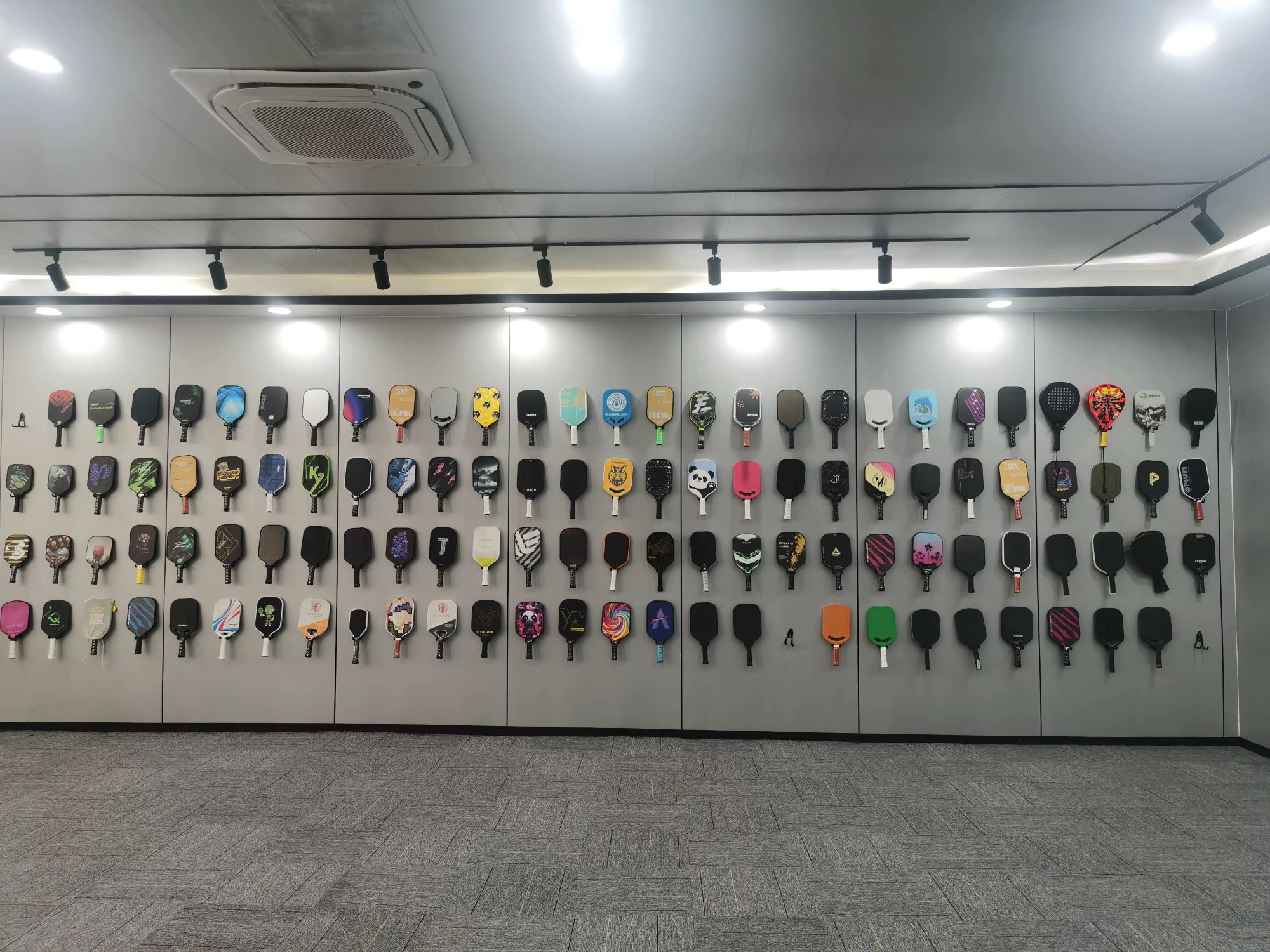
Custom Pickleball Paddles
We manufacture:
- Raw carbon fiber paddles
- Thermoformed paddles
- Fiberglass paddles
- Hybrid composite paddles
- Tournament paddles
- Recreational paddles
Complete Pickleball Equipment
In addition to pickleball paddles, we also produce:
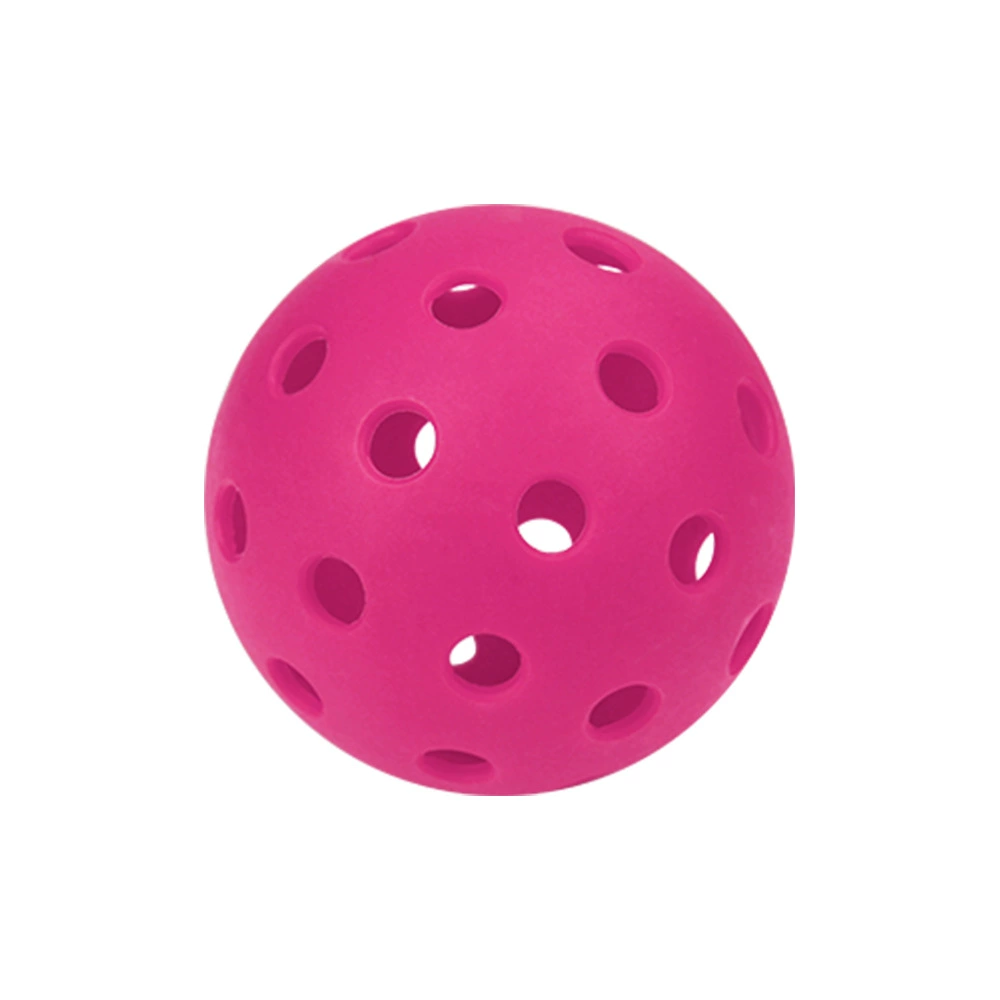
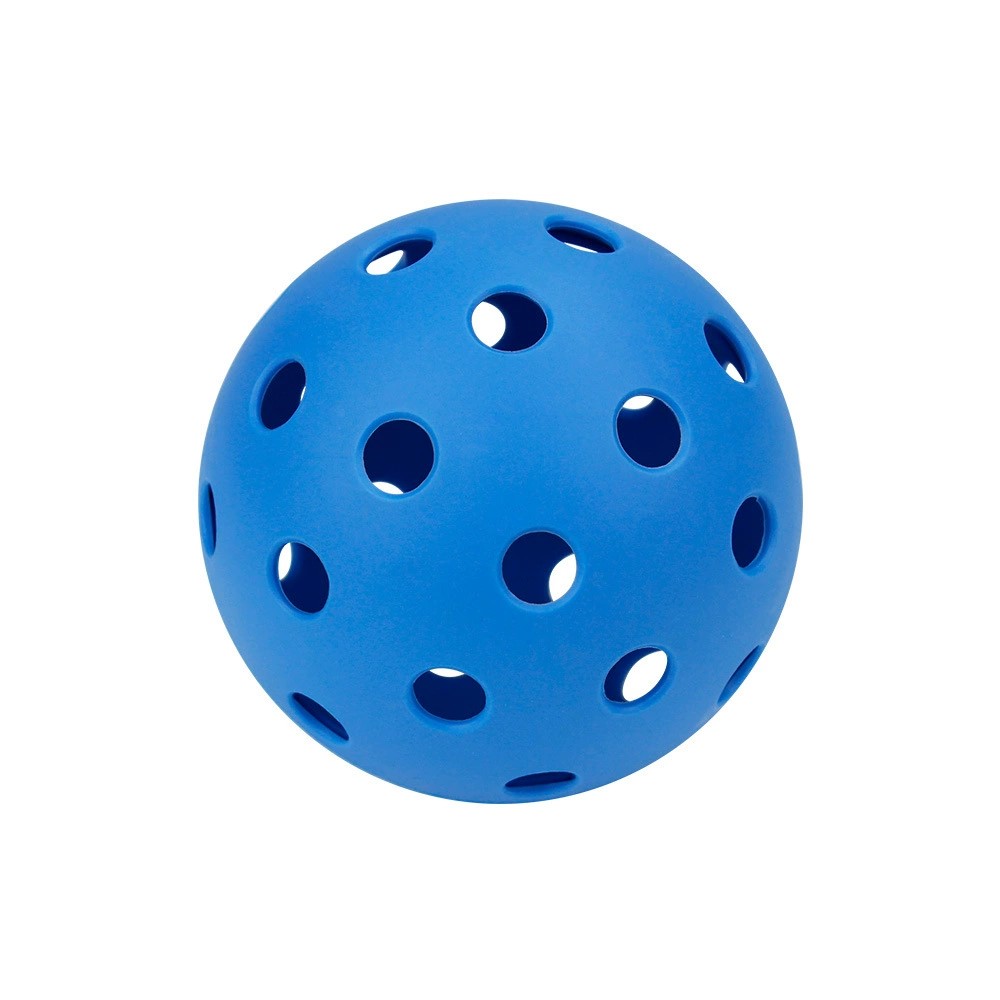
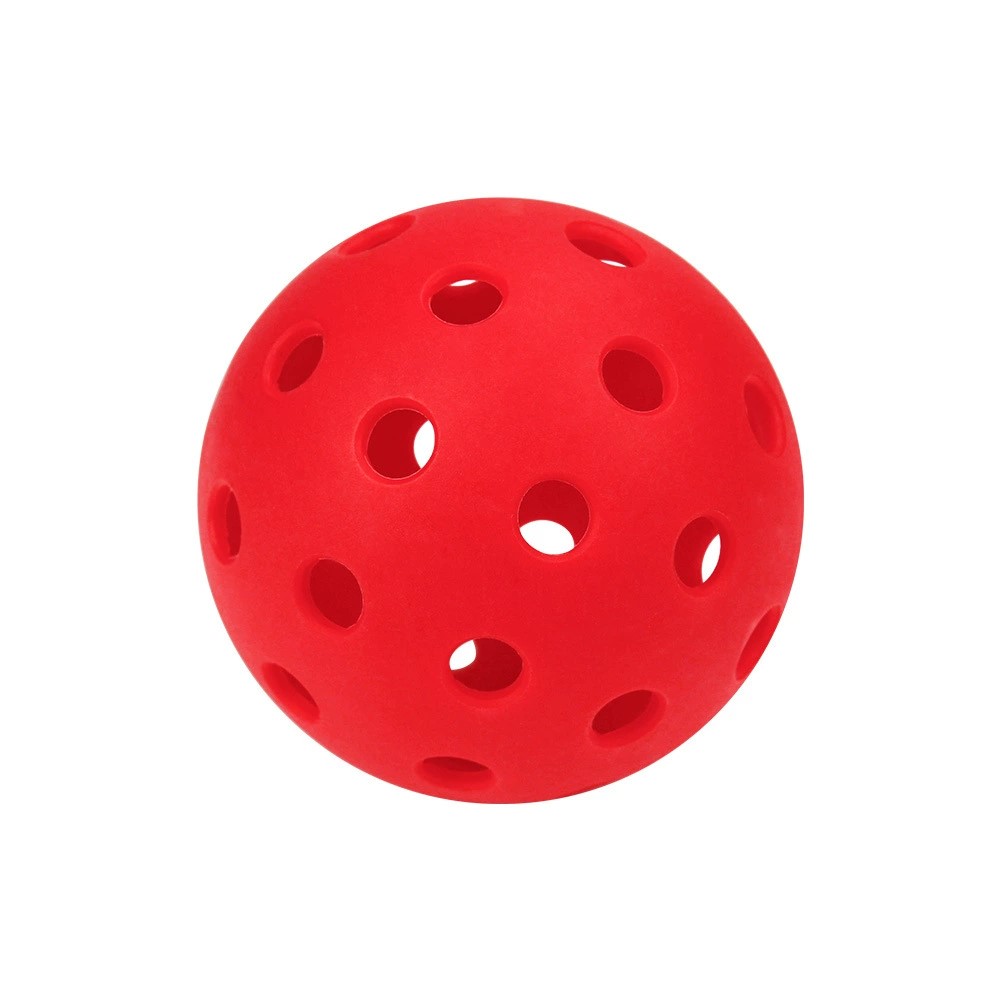
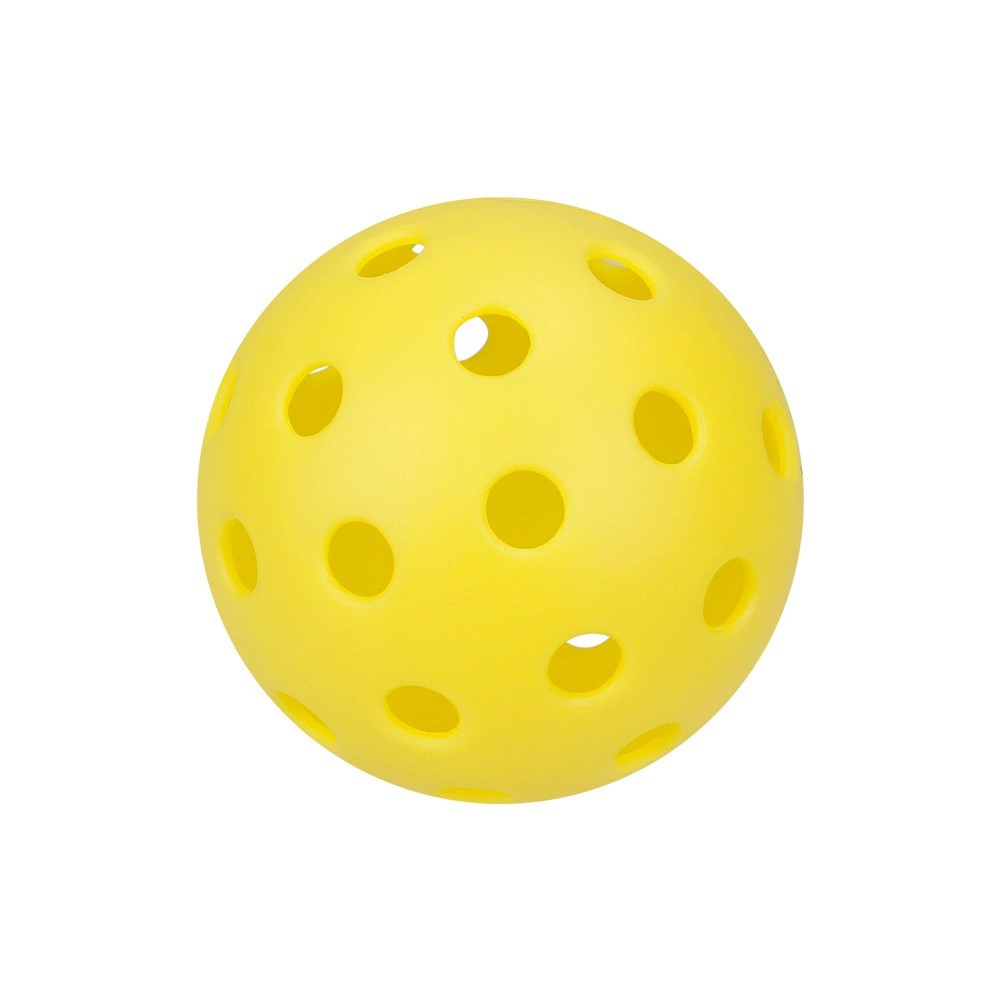
- Pickleballs
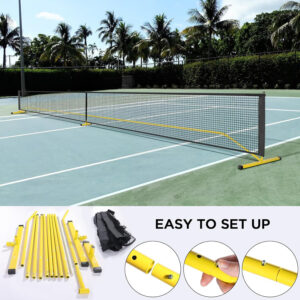
- Portable pickleball nets
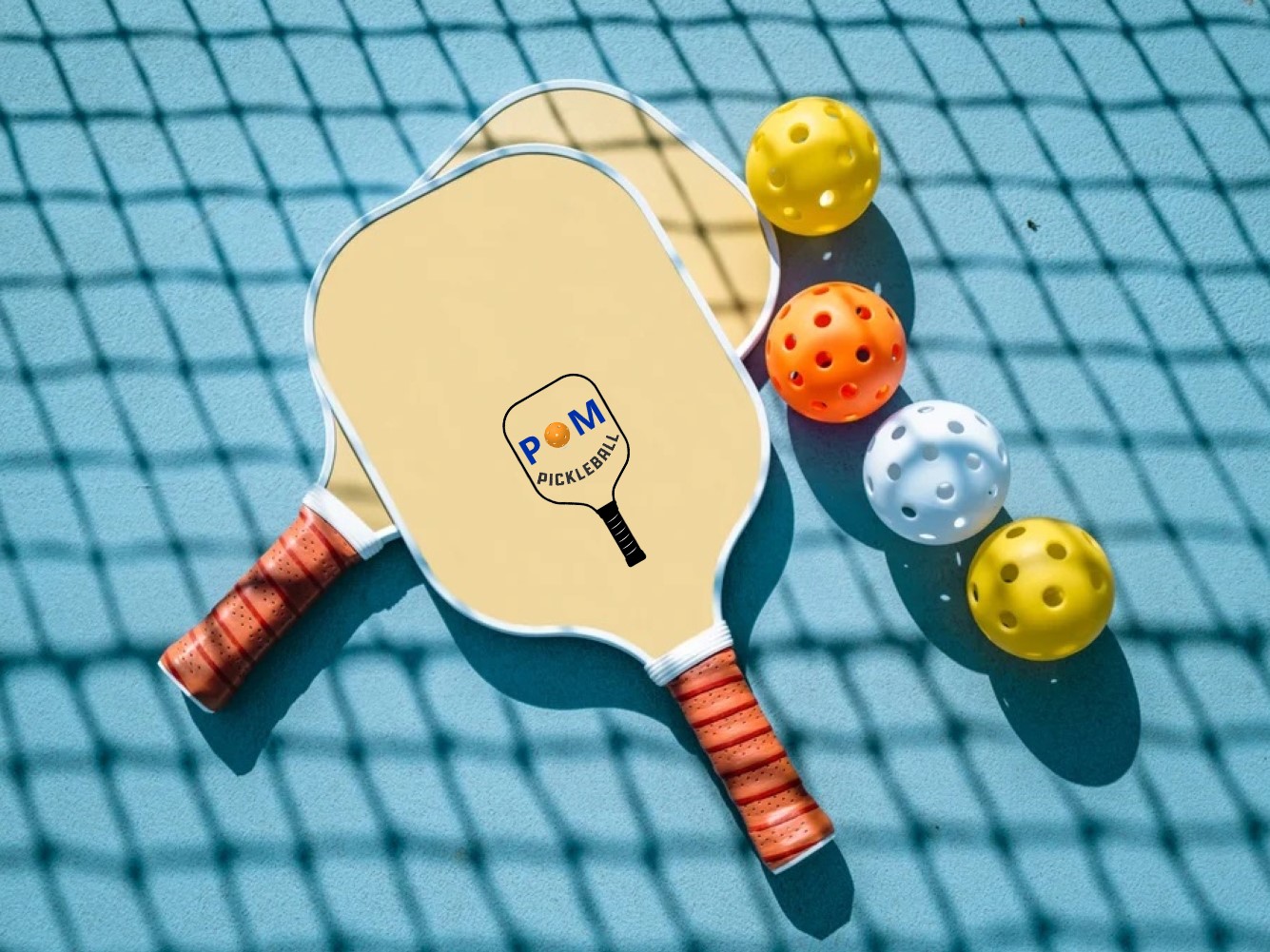
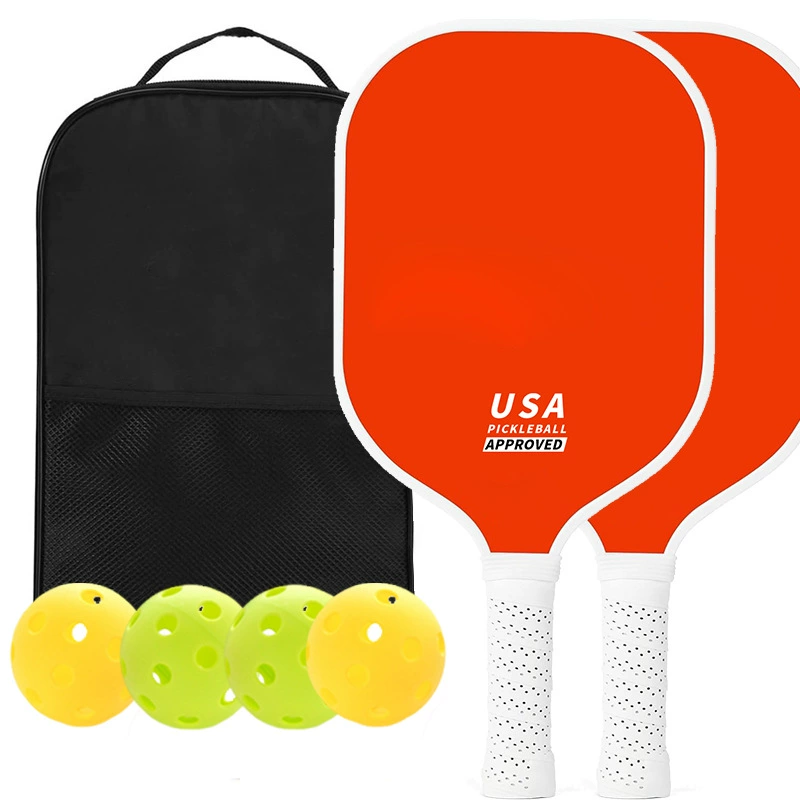
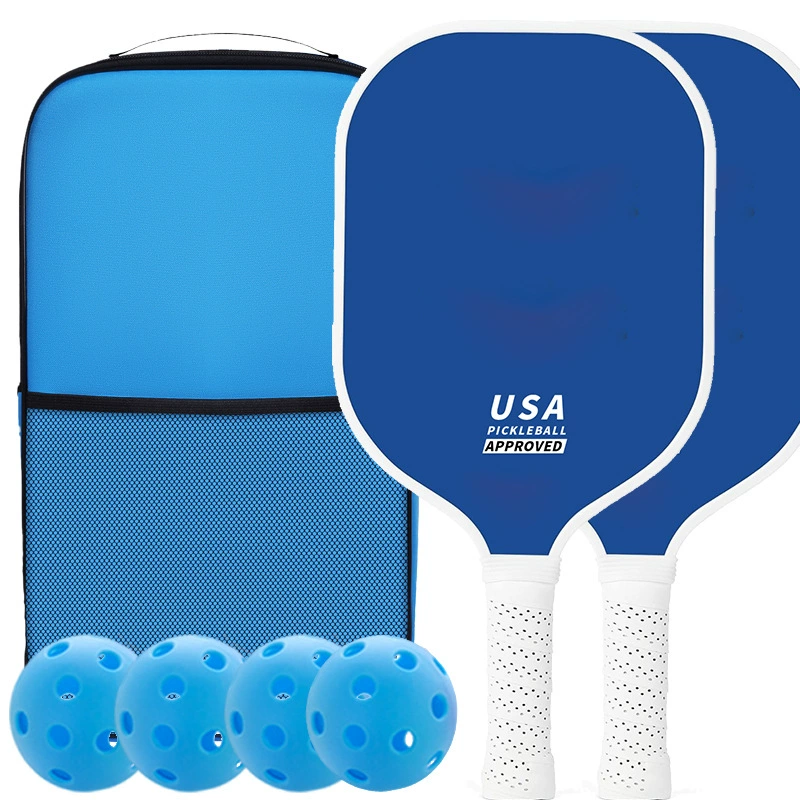
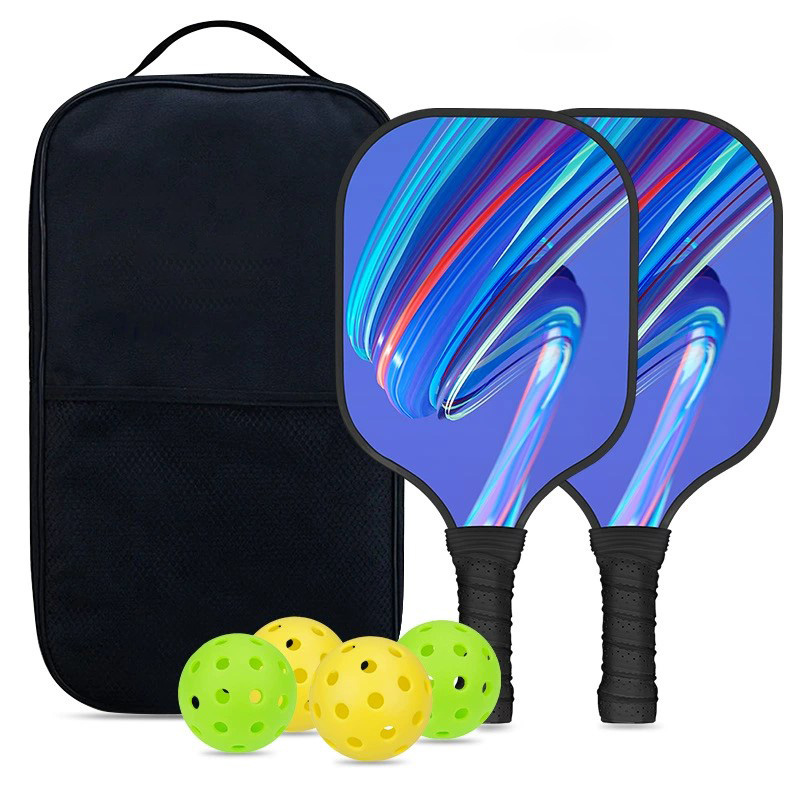
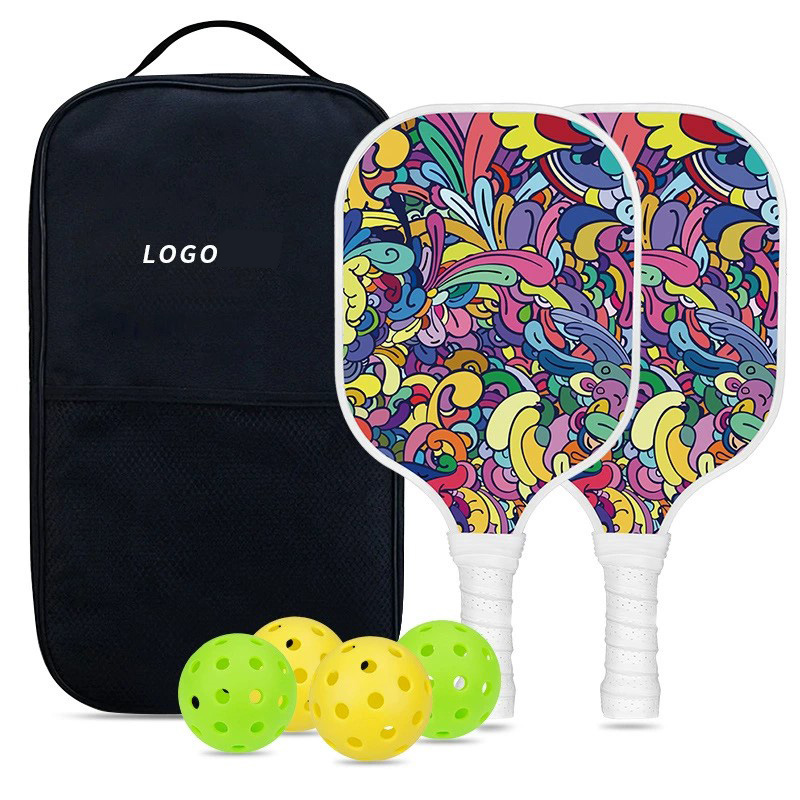
- Complete paddle sets
- Accessories
- Private-label retail packages
Complete OEM Services
We support customers with:
- Product design
- Mold development
- Prototype manufacturing
- Logo customization
- UV printing
- Silk-screen printing
- Packaging design
- Barcode labeling
- Global shipping support
Engineering Support
Our experienced engineering team assists customers with:
- Material optimization
- Weight balancing
- Foam injection technology
- Thermoforming process optimization
- Structural durability improvements
- Manufacturing consistency
Whether you are launching your first paddle or expanding an established product line, POM provides the technical expertise needed to accelerate product development while maintaining high quality standards.
19. Frequently Asked Questions About Pickleball Paddle Equipment Approval
Q1. Does every pickleball paddle need USA Pickleball Equipment Approval?
No. Recreational paddles sold for casual play generally do not require approval. However, brands targeting sanctioned tournament play or customers seeking competition-ready equipment often choose to obtain approval to increase market credibility.
Q2. Can I change the paddle after approval?
Minor cosmetic updates may be possible, but significant changes to construction, dimensions, materials, or performance characteristics may require a new submission. Always review the current USA Pickleball requirements before modifying an approved model.
Q3. How many prototypes should be developed before submitting a paddle?
Most successful OEM projects involve multiple prototype iterations to optimize performance, durability, manufacturing consistency, and compliance before official submission.
Q4. Does a thermoformed pickleball paddle have a better chance of approval?
Approval depends on compliance with the applicable equipment standards, not on the manufacturing method. Thermoformed paddles can perform exceptionally well when properly engineered and consistently manufactured.
Q5. How can an experienced pickleball paddle factory improve approval success?
A professional factory helps by:
- Optimizing product design
- Improving manufacturing consistency
- Verifying dimensions
- Conducting internal testing
- Preparing accurate production samples
- Reducing engineering risks before submission
Q6. Why should I choose POM as my OEM manufacturing partner?
POM combines advanced engineering, strict quality management, custom manufacturing capabilities, and extensive OEM experience. We help brands move efficiently from concept to production while supporting product development aligned with current industry standards and customer expectations.

Successful Pickleball Paddle Approval Begins with Smart Engineering and the Right Manufacturing Partner
Obtaining USA Pickleball Equipment Approval is more than a procedural step—it is an investment in product quality, market credibility, and long-term brand success.
The most successful brands understand that approval is achieved through careful planning at every stage of development, including:
- Intelligent product design
- Premium material selection
- Precision mold manufacturing
- Prototype validation
- Stable thermoforming processes
- Consistent production quality
- Comprehensive quality inspections
- Accurate documentation
- Collaboration with an experienced OEM partner
Rather than treating approval as the final objective, leading companies integrate compliance into the earliest phases of product development. This proactive approach reduces redesigns, shortens launch timelines, and increases the likelihood of first-pass approval.
At POM, we have helped numerous global brands transform innovative concepts into high-performance pickleball paddles that meet demanding market expectations. As a trusted pickleball paddle factory and experienced pickleball equipment manufacturer, we provide complete OEM and ODM solutions—from industrial design and prototype development to precision manufacturing, branding, and production support.
Whether you are launching a new private-label paddle, expanding an existing product portfolio, or building a premium tournament-ready brand, POM is committed to delivering products engineered for performance, manufactured with consistency, and designed to succeed in today’s competitive pickleball market.
We have a pickleball paddles factory of skilled engineers ready to support you in your product development journey from idea design to production.Any ideas about your product you can contact us freely,and our engineers will get back to you with a quote asap. Whatsapp +86 18902611680
Who is POM?
As a leading pickleball factory, POM is committed to providing high-quality sports equipment and accessories for pickleball enthusiasts. We believe that pickleball is not only a competitive sport, but also a lifestyle.
What is your product range?
We pecialize in the design and production of high quality pickleball equipments,such as pickleball paddles,pickleball balls,pickleball nets,pickleball accessories…
Are you a manufacturer or a trader?
Can you provide samples?
•Of course, usually we will provide samples for your testing. For custom printed samples, pls send your requirements to us for checking the sample cost.
• It takes about 7 days for sample production.
Can I have my custom logo , design or size?
Sure. We can do any packaging with your design. You can still have your own logo.