
Last Updated on 2025-11-29 by Pickleball Expert
Pickleball is no longer just a U.S. success story. In 2024–2025 the sport exploded across Asia — and Southeast Asia in particular — creating an opportunity window for equipment suppliers, club operators, technology partners, and event promoters. This report analyzes the Pickleball Southeast Asia opportunity across demand, infrastructure, channels, regulation, investment patterns, and strategic recommendations for suppliers who want to win in 2025 and beyond.
Executive summary (key headlines)
Awareness and participation in Southeast Asia spiked sharply in 2024–2025, with markets such as Vietnam, Malaysia, Singapore and the Philippines showing the fastest relative growth in awareness and organized play.
Multiple regional studies and tour operators point toward Asia as the “next frontier” for pickleball — with broad demographics (aged 18–55+) and strong grassroots uptake through malls, clubs and municipal programs.
Facilities are multiplying via three vectors: tennis-to-pickleball conversions, dedicated indoor commercial clubs, and mall/retail experiential installs. These create repeatable procurement and aftermarket demand (nets, balls, replacement parts).
For suppliers: the fastest wins come from hybrid strategies — local partnerships (distributors/clubs), demo & education programs, B2B facility sales, and limited localized SKUs tailored by age-group needs (senior-friendly equipment, entry kits).
The rest of this analysis expands on the macro picture, country level nuance, partner playbooks, product/price recommendations, risks and regulatory issues, and an actionable 12-month go-to-market plan for suppliers.

1. Macro view: Why Pickleball Southeast Asia matters now
Rapid awareness and youth-to-adult appeal
Market intelligence collected in 2024–2025 shows dramatic awareness increases across multiple Southeast Asian markets — some growing awareness more than 100% year over year — and large proportions of respondents reporting recent discovery of the sport. In short: pickleball is moving quickly from curiosity to regular play.
Why this matters:
Awareness translates quickly to demand for basic equipment (paddles, balls, nets) when entry-points (malls, clubs, school programs) exist.
Unlike some high-barrier sports, pickleball’s low-tech entry (portable nets, inexpensive paddles) combined with an accessible ruleset accelerates adoption across age groups.
Market sizing signals (what the available estimates say)
Global/Asia market reports in early 2025 show strong projected CAGR for equipment and services in Asia-Pacific; regional market briefs cite substantial upside if current club and court growth continues. While precise dollar estimates vary depending on scope (equipment-only vs full ecosystem), credible forecasts point to double-digit regional growth in the near term.
Takeaway for suppliers: act now to secure distribution and visibility. Early movers capture demo programs, B2B contracts, and brand recognition before the market becomes crowded.
2. Country breakdown: where Pickleball Southeast Asia is thriving (and why)
Southeast Asia is not a single market — it’s a cluster of heterogeneous markets with different infrastructures, consumer incomes, and sports cultures. Below are the most active countries and what matters in each.
Malaysia — fast professionalization and event-led growth
Malaysia emerged as a notable hot spot in 2024–2025, with rapid awareness growth and early PPA/PRO event activity. The country has hosted professional events and shows signs of organized league growth tied to urban clubs. This event-first strategy helps create media moments and accelerates equipment and demo demand.
Implications:
Short-term B2B opportunity: event equipment supply, demo fleets, and sponsor relationships.
Medium-term: recurring demand from club retail shops and lesson programs.
Vietnam — high awareness, grassroots strength
Multiple industry surveys placed Vietnam among the highest in awareness and early adoption in Asia. Vietnam shows particularly strong grassroots interest among younger players, bolstered by fitness culture and rapidly developing sports infrastructure.
Implications:
Product focus: affordable starter kits for players and programs; targeted youth outreach programs.
Channel play: partner with local community centers, universities, and fitness clubs.
Singapore — premium club & lifestyle adoption
Singapore is notable for the “lifestyle” and premium club strategy: boutique clubs, commercial indoor facilities, and integrated F&B/entertainment experiences that elevate pickleball as a social leisure sport. Recent openings of dedicated clubs and high-profile venues have positioned Singapore as a regional showcase market.
Implications:
Demand skews toward premium paddles, apparel, and “experience” accessories (branded hospitality kits, demo events).
Premium pricing tolerances and high-quality expectations — ideal for branded DTC marketing and experiential pop-ups.
Philippines — mall installations and community programs
The Philippines shows fast uptake in urban centers, with malls and multipurpose venues adding courts to offer a new social sport. Mall installers and recreation operators often buy nets and entry-level kits in bulk, while growing local associations support grassroots leagues. The Philippines’ organized growth structures (increasing club counts and formal recognition) make it an attractive market for sustained sales.
Implications:
High-volume opportunities in mall/retail installs and municipal partnerships.
Focus on affordable, durable balls and portable nets for multi-use spaces.
Thailand — facility investment and tourism tie-ins
Thailand has shown interest through private facility builds and interest from hospitality/tourism operators who see pickleball as a wellness and leisure amenity for resort guests and expat communities. Investability for dedicated facilities is present, particularly near expat and tourist hubs.
Implications:
Opportunity to sell full facility packages to resorts and hotels (nets, line kits, lighting).
Joint promotions with travel operators (lessons + stays).
Additional markets (Cambodia, Indonesia, Myanmar, Laos)
These markets are earlier in the adoption curve. Expect small velocity growth but with time — especially with tournament exposure and federation partnerships — they can become meaningful. Pickleball in Southeast Asia is still nascent outside the countries above, which gives suppliers the chance to be early partners in several territories.

3. What’s driving Pickleball Southeast Asia growth? (4 core drivers)
1) Accessibility and low cost to start
Compared with many racquet sports, pickleball needs minimal space, portable nets, and affordable equipment. This is ideal for densely populated Southeast Asian cities where multi-use public courts and mall spaces offer prime venues.
2) Social and multi-generational appeal
Pickleball suits families and older adults — the sport’s social and low-impact characteristics match cultural preferences for group recreational activities in the region. That demand profile explains the strong uptake in malls and community centers.
3) Events and pro-tour visibility
Regional events (PPA/PPATour-Asia stops, exhibition matches) create media moments that rapidly increase awareness and aspirational interest. When pros come to town, membership in clubs and equipment sales spike.
4) Private facility and club investment
Entrepreneurs are converting underused tennis courts and building indoor venues. These facilities create repeatable B2B demand for specialty equipment (durable nets, indoor balls, court surfacing) and add a retail outlet for paddle demo programs.
4. Facilities & court models to know (and the implications for suppliers)
Pickleball courts proliferate through three dominant models in the region — suppliers should map product and commercial strategies to each.
A. Tennis-to-Pickleball conversions
Fast, economical conversion of tennis courts to multiple pickleball courts is common. These projects need: court painting/line kits, nets, portable posts, and court surfacing advice.
Supplier playbook:
Provide complete conversion kits (line paint, net systems, installation guides).
Build relationships with local contractors/court resurfacing firms.
B. Dedicated indoor clubs
High-margin, long-term customers. These clubs demand higher-quality nets, lighting, climate control considerations, and branded retail.
Supplier playbook:
Offer premium demo fleets, partner with clubs for branded equipment, and provide ongoing maintenance contracts.
C. Mall & experiential courts
Often temporary installations for guest play and promotional events. Durability and quick setup matter.
Supplier playbook:
Sell portable nets, multiple spare balls, and easily branded court skins. Offer fast logistics and short-term rental capabilities.
5. Product segmentation & consumer preferences (how to tailor SKUs)
Different buyers want different things. Here’s a short map of product priorities by buyer segment in Pickleball Southeast Asia.
Consumer segments and product priorities
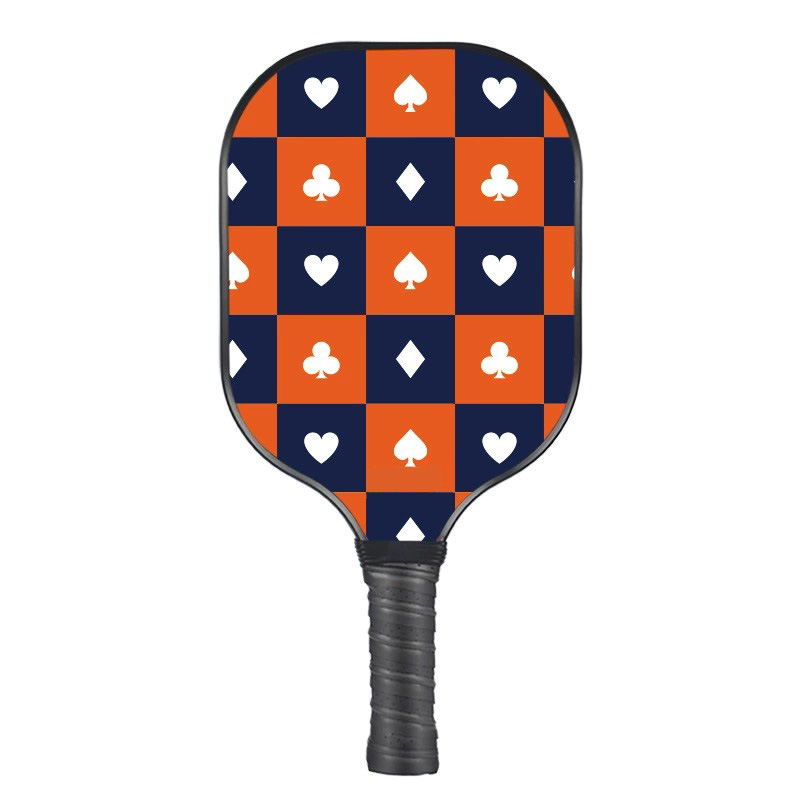
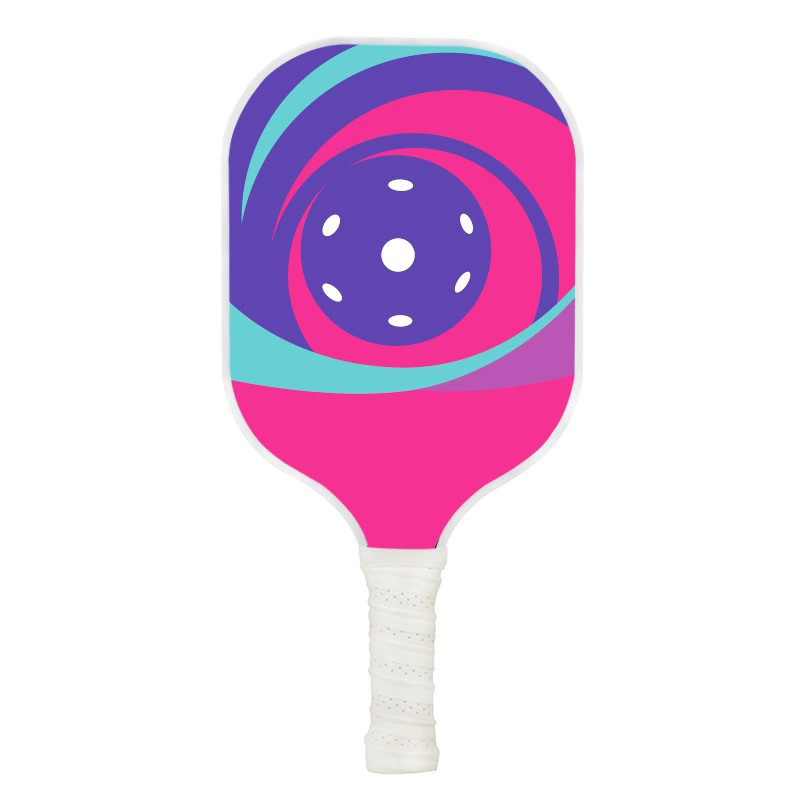
New/Family players — low-cost starter kits (paddle + ball + net), emphasis on durability and price.
Senior community players — comfort-oriented paddles, softer balls, and accessories for reduced joint impact.
Recreational enthusiasts — mid-tier paddles, shoes, apparel.
Competitive players & academies — high-performance paddles, replacement grips, premium balls, and demo programs.
Clubs & facilities (B2B) — heavy-duty nets, replacement parts, court accessories, outdoor/indoor ball bulk orders.
Recommended SKU strategy
Starter kit: bundle (two paddles + two balls + portable net) for recreational buyers.
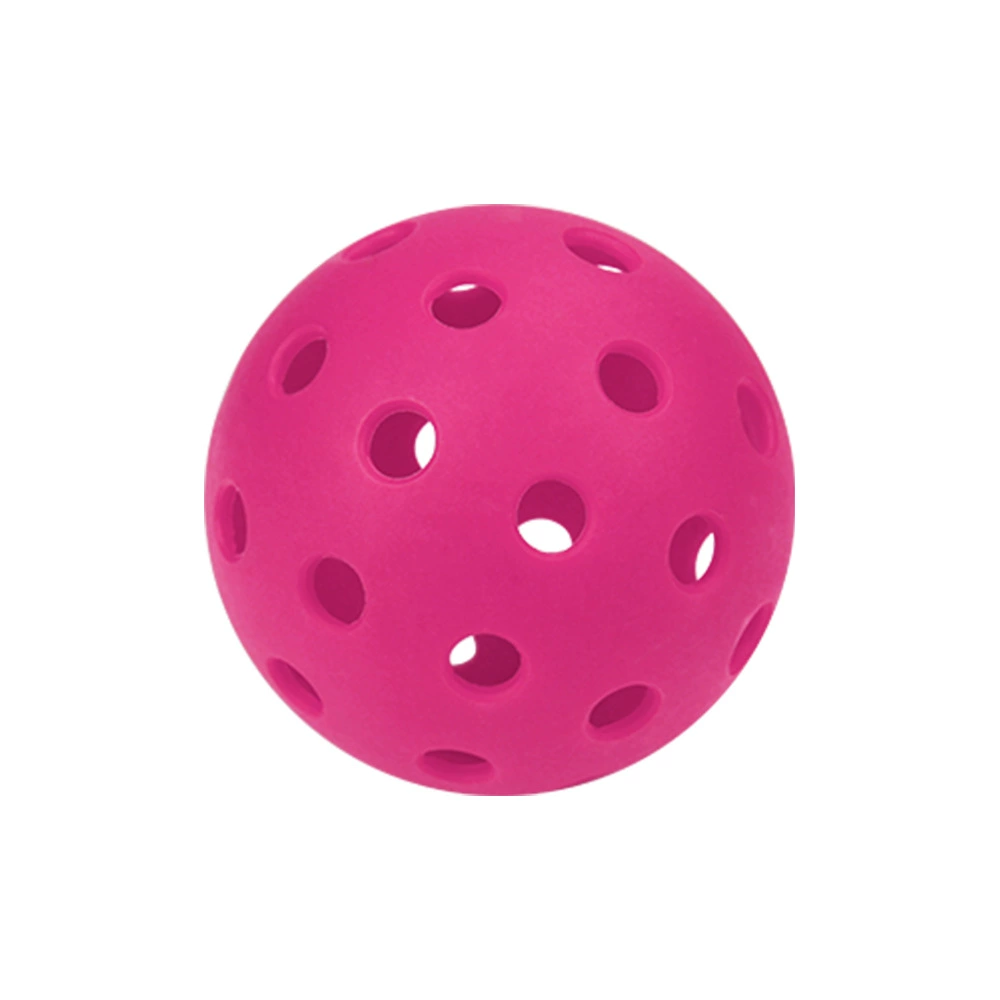
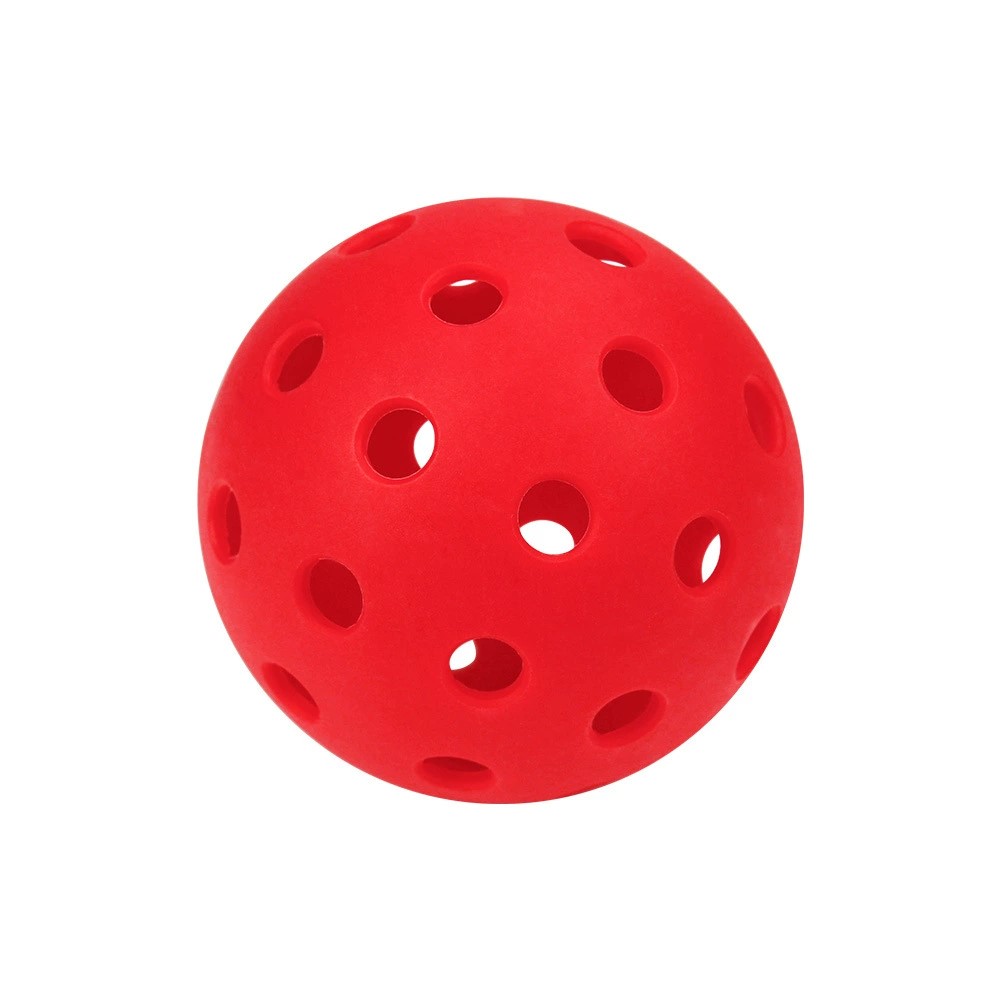
Club pack: bulk balls (100+), nets and post sets, maintenance kits.
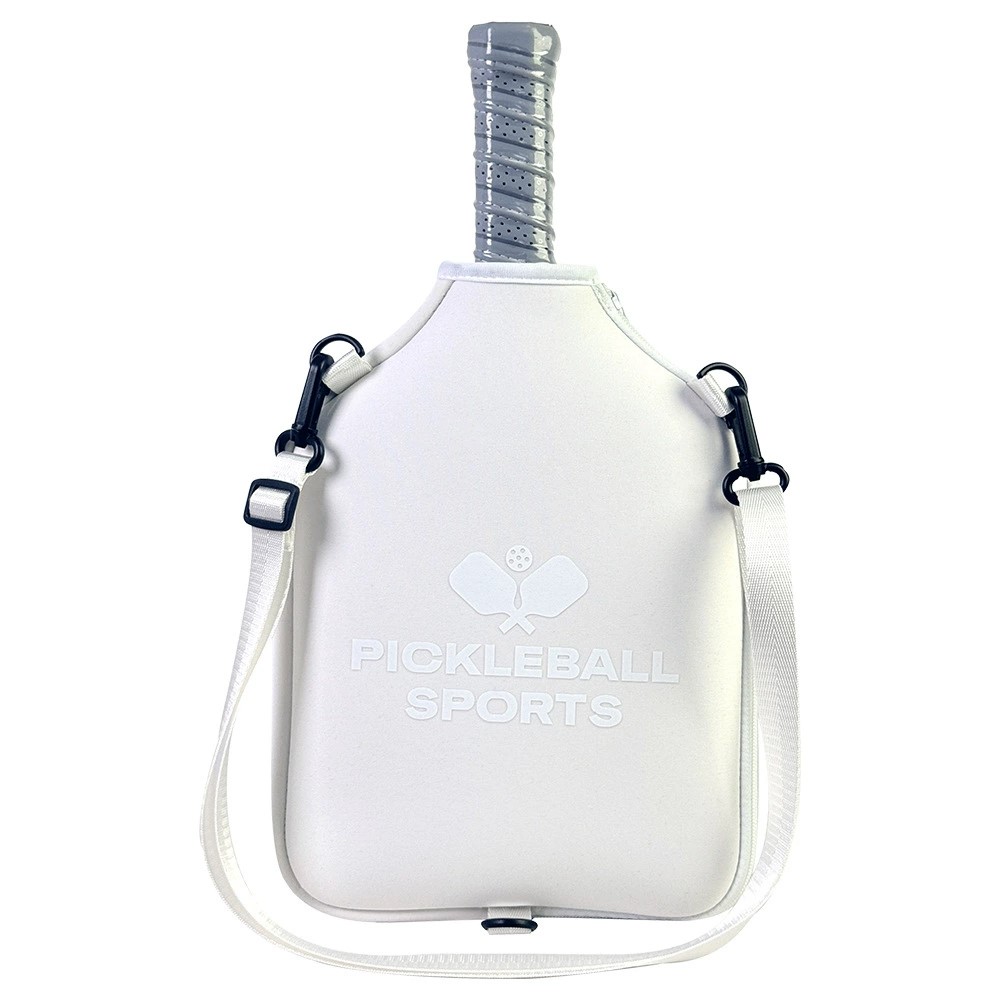
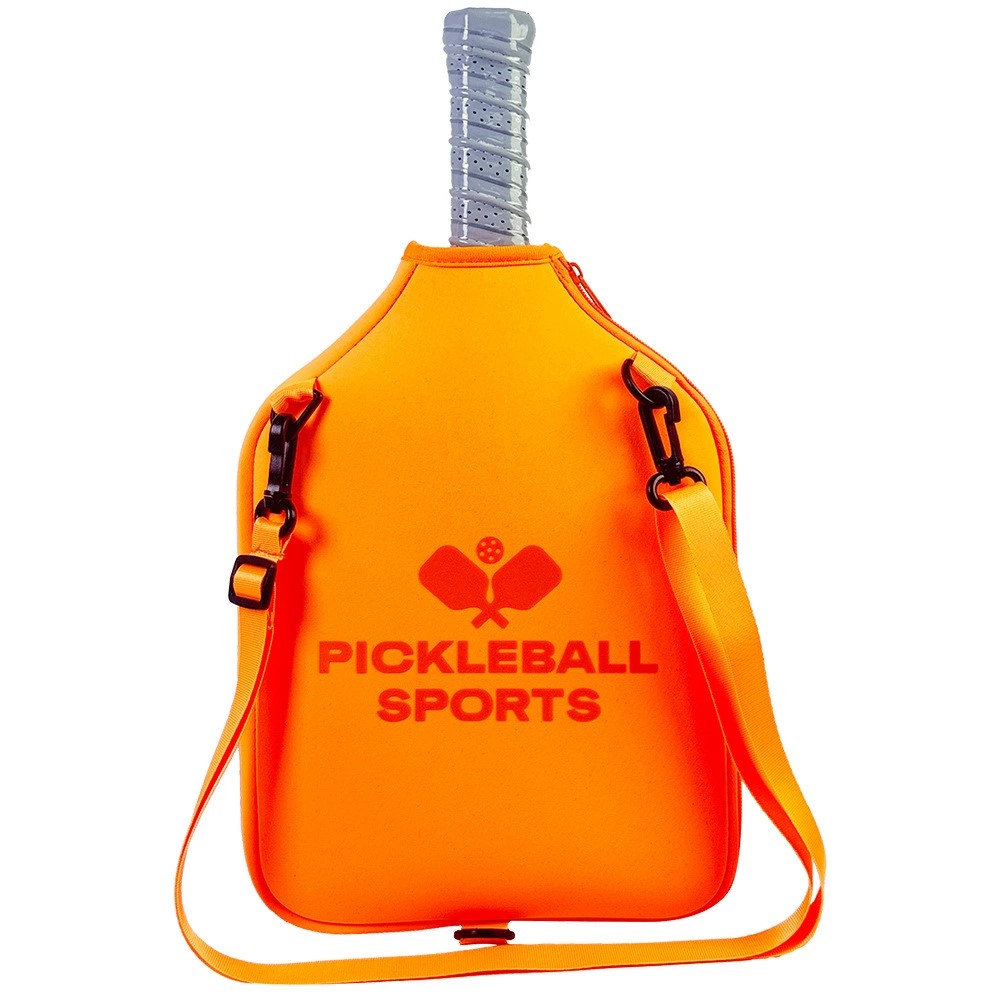
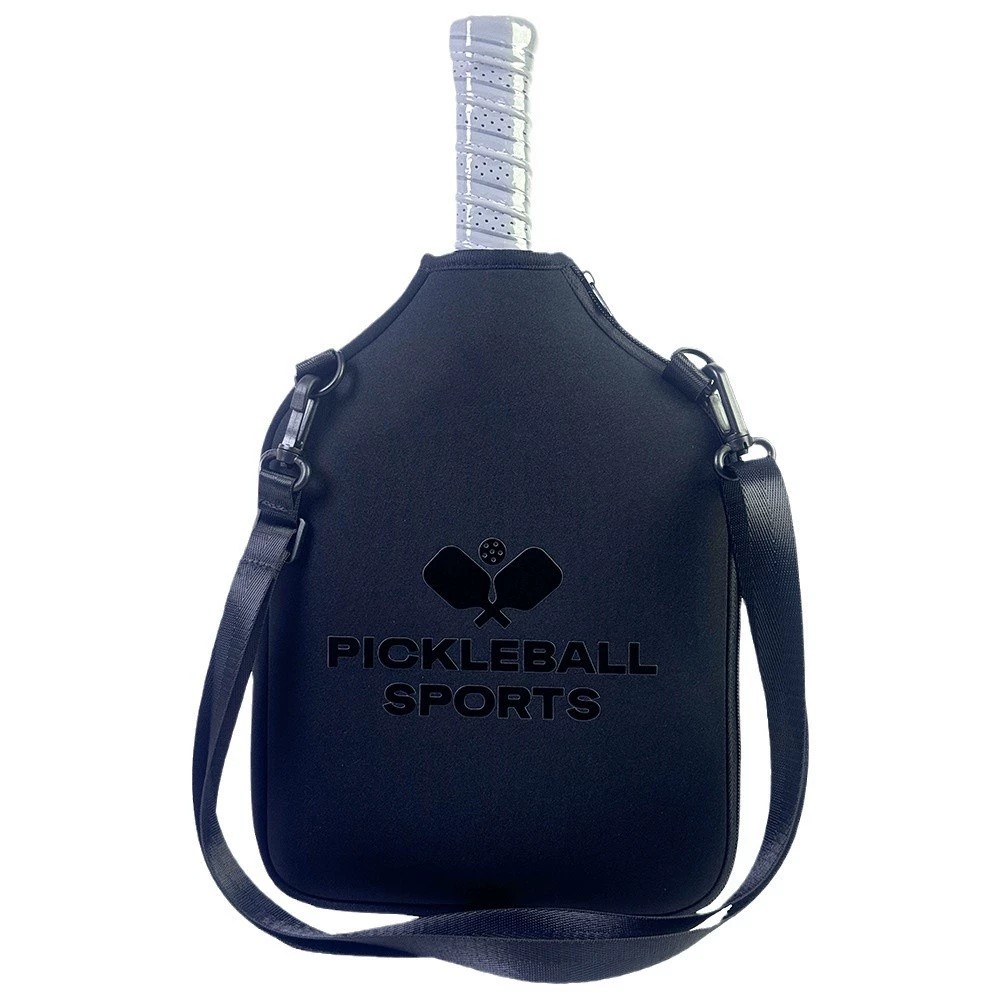
Premium line: high-end paddle + protective case + demo loan.
Localized SKUs: smaller pack sizes and local-language manuals for Southeast Asian consumers.
6. Distribution and channel tactics (how to reach customers in Pickleball Southeast Asia)
A hybrid channel approach wins: DTC focus for brand-building + local distributors and club partnerships for scale and trust.
1) Direct-to-consumer (DTC)
Important for brand storytelling and margins.
Use paid social, local influencers, and localized websites.
Offer online paddle comparison tools and video demos.
2) Club & pro-shop partnerships
Critical for product trials and conversion. Local pro shops are trusted.
Offer demo fleets on consignment and revenue-sharing models for rentals.
3) Retail & experiential pop-ups
Malls and sporting goods chains accelerate mass awareness.
Demo days in malls or clubs convert faster than ads alone.
4) B2B & Municipal procurement
For court installs and park projects, suppliers should develop RFP templates, case studies, and warranties.
Offer turnkey solutions (nets + replacement schedules + installation).

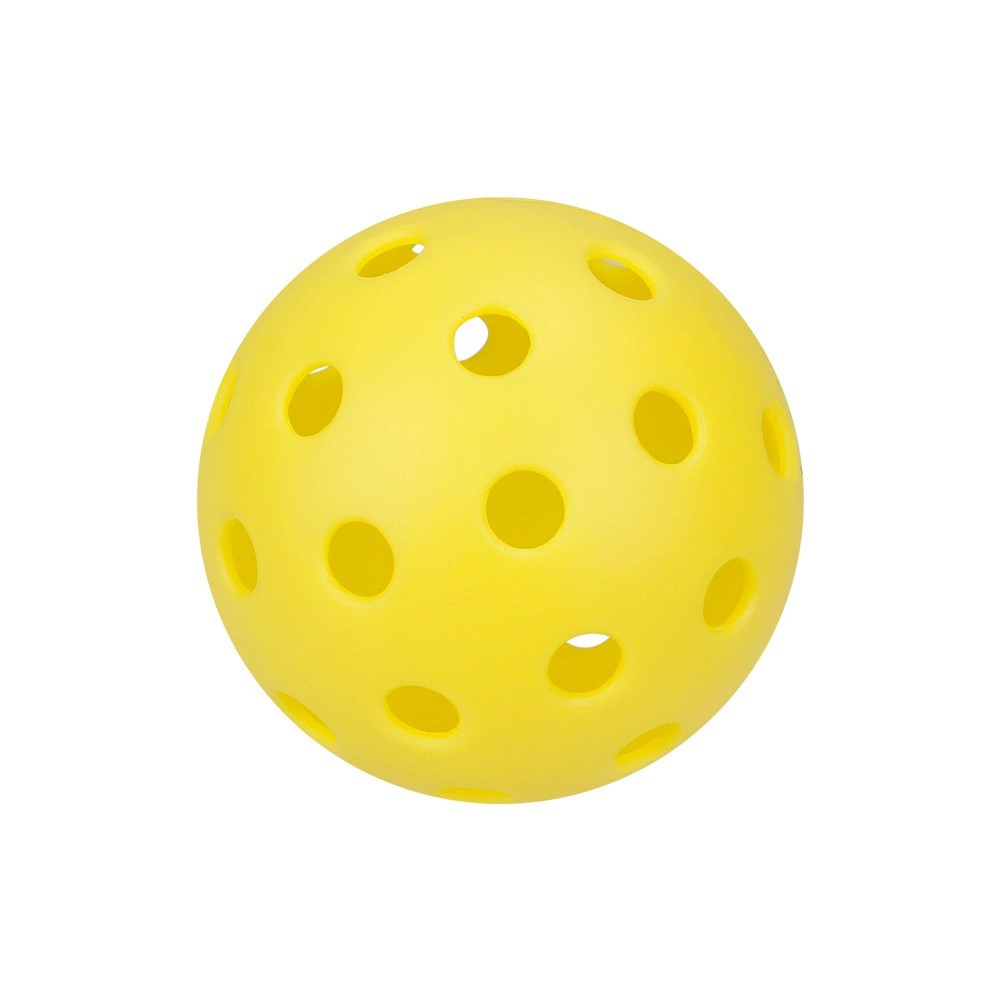
7. pickleball Pricing, margins & unit economics (practical guidance)
Pricing strategies should reflect local purchasing power and channel margins. Considerations:
Entry kits: target price points aligned with local affordability (e.g., low-mid USD ranges adjusted for local currency).
Premium paddles: price at global benchmarks but offer localized promotions/finance options.
B2B contracts: include installation & service fees to drive higher per-transaction revenue and predictable aftermarket replacements.
Margin levers:
Bulk order discounts for clubs (incentivize large purchases).
Recurring revenue via replacement balls and maintenance contracts.
White-label or private-label opportunities for regional partners
8. Marketing playbook for Pickleball Southeast Asia
Marketing should balance education and aspiration.
Core campaigns that work
Demo days and pop-up clinics — in malls, community centers, or hotels.
Influencer + community leader programs — recruit local coaches and micro-influencers for credibility.
Event sponsorship — sponsor local tournaments and youth programs to build long-term visibility.
Content localized by language & culture — how-to videos, rules explained, local testimonials.
Club partnership bundles — promote “try & buy” outcomes at clubs.
Measurement:
Track demo-to-purchase conversion, CAC (customer acquisition cost) by channel, and B2B pipeline velocity.

9. Events, leagues & pro play: how tournaments shape demand
Regional tournaments and professional stops act as accelerators — they create local role models, media coverage, and mass demo opportunities. Suppliers should:
Become official equipment partners for tours and local championships.
Run pro-am demo clinics during events to maximize retail conversion.
Use events to test new SKUs and gather user feedback from competitive players.
10. Risks & mitigation strategies (real-world constraints to consider)
Key risks
Local pushback & noise complaints — especially where courts are near residential areas (tennis conversions sometimes trigger opposition).
Supply chain shocks & component costs — commodity fluctuations for composite cores and materials.
Market saturation in hotspots — some urban centers may temporarily over-supply courts.
Safety & regulation concerns — older players require safety-focused product design and education.
Mitigations
Engage local stakeholders early (community associations, parks departments).
Build diversified manufacturing (regional partners) and maintain safety stock for key SKUs.
Offer club-focused packages that increase recurring spend (court care, ball subscriptions).
Invest in user education (coaching certifications, safety guides).
11. Regulatory & federation landscape: why working with national bodies matters
National federations and NGOs are establishing the foundation for organized play — recognition by Olympic committees or national sports bodies brings legitimacy and public funding for courts. Partnerships with these groups accelerate access to school programs and public facilities. The Philippines example — rapid club growth and official recognition — shows how federations can drive sustained infrastructure and membership growth.
Supplier opportunities:
Co-create school & youth kits with federations.
Sponsor training & certification programs to solidify B2B relationships.
12.pickleball Technology & adjacent services to watch
The region will adopt tech more quickly where premium clubs and pro tours exist. Watch for:
Smart paddles & sensors — for coaching and advanced players.
Booking & club management SaaS — for facilities needing scheduling and league management.
Court surface innovations — for tropical climates (UV and humidity resistant coatings).
Payment & e-commerce localization — integrate local payment methods and logistic partners.
Suppliers that bundle hardware with local software partners will unlock sticky recurring revenue.
13. pickleball Case studies and early wins (how others are monetizing the region)
Mall-based installs (Philippines)
Malls are installing courts as amenity and footfall drivers. Operators charge low hourly rates to encourage group play; this drives demo purchases and sustained local community building.
Boutique clubs (Singapore)
Performance-oriented packs, branded experiences, and premium fees support higher priced equipment sales and recurring memberships. These clubs demand professional-grade nets, lighting, and premium retail SKUs.
Event-led activation (Malaysia)
Hosting PPA/PPATour stops and pro exhibitions spiked both membership interest and retail demand for demo paddles and paddle upgrades. Being the official equipment partner at such events drives rapid brand recognition.
14. Financial modeling snapshot & opportunity sizing (supplier view)
Rather than a single market-size figure (which varies by definitions), here’s a simple supplier profit model example to show economics:
Assumptions (illustrative):
Entry kits sold at USD 60 retail, COGS USD 20, gross margin ~67%.
Clubs buy net systems at USD 400 each, COGS USD 160, with B2B margin 60%.
Ball subscriptions (monthly club packs) generate recurring revenue of USD 100/month for a medium-sized club.
With a conservative penetration plan (partnering with 250 clubs across SEA and selling 10,000 entry kits in year 1) a mid-sized supplier can reach meaningful revenue and cashflow while building a regional demo network.
15. 12-month go-to-market playbook (actionable roadmap for suppliers)
Months 0–3: Market validation & partnerships
Identify 3 test markets (e.g., Malaysia, Philippines, Singapore) and recruit local distribution partners.
Run demo days in malls and clubs.
Secure one event sponsorship (local tournament).
Months 4–6: Product & distribution scale
Launch localized SKUs and a club-pack offering.
Onboard 5–10 clubs with demo fleets on consignment.
Setup local warehousing to reduce lead times.
Months 7–9: B2B expansion & SaaS tie-ins
Close municipal or resort pilot installations.
Pilot a court management or ball-subscription service with club partners.
Months 10–12: Brand & event consolidation
Sponsor a regional tour stop or national championship.
Launch content marketing (how-to videos in regional languages).
Evaluate expansion to two new markets.
KPIs to track: demo-to-sale conversion, club retention rate, average order value (AOV), B2B contract length, and social/digital engagement metrics.
16. Forecast scenarios (conservative / base / aggressive)
Conservative: steady growth as clubs expand slowly and equipment replacement cycles lengthen — single-digit CAGR for equipment in SEA.
Base: continued club openings, mall installs, and federation support — mid-to-high single-digit CAGR with profitable B2B channels.
Aggressive: strong pro-tour visibility plus national program funding — double-digit growth with high premium product adoption in urban markets.
17. Final recommendations (what pickleball suppliers should do next)
Pick pilot markets wisely: start with countries that show early demand and event activity (Malaysia, Philippines, Singapore, Vietnam).
Build hybrid channels: DTC for brand + club partnerships and B2B for stability.
Localize SKUs & pricing: adapt entry kits and service bundles to local incomes and payment systems.
Invest in demo & education: conversion skyrockets when players can try paddles in person.
Secure B2B contracts: clubs, resorts, malls and municipal programs are predictable, high-value customers.
Prepare for facility support: offer installation, maintenance, and replacement services to lock in recurring revenue.
Monitor regulatory and community issues: proactively engage local stakeholders on noise, scheduling and court siting to avoid backlash.
Appendix: Key regional sources and further reading
UPA Asia / YouGov “Asia: The Next Frontier” research (2024–2025 awareness growth).
Pickleball regional coverage and growth analysis.
PPATour Asia “State of Play in Asia” report (region-specific participation & awareness).
Singapore press coverage and club openings (Performance Pickleball).
Philippines federation growth and mall court rollout reporting.
Market overviews and forecasts (Pickleball News Asia / market projections).
pickleball Closing thought
Pickleball Southeast Asia represents a generational growth opportunity for agile suppliers and operators. The region combines favorable demographics, varied venue models (malls, clubs, public courts), and a strong appetite for new leisure sports. Suppliers that combine local partnerships, an omnichannel distribution strategy, event sponsorships, and tailored product assortments will capture the most durable value. The next 18–36 months are a critical window — move now to build market share, or risk competing for second place when the market consolidates.
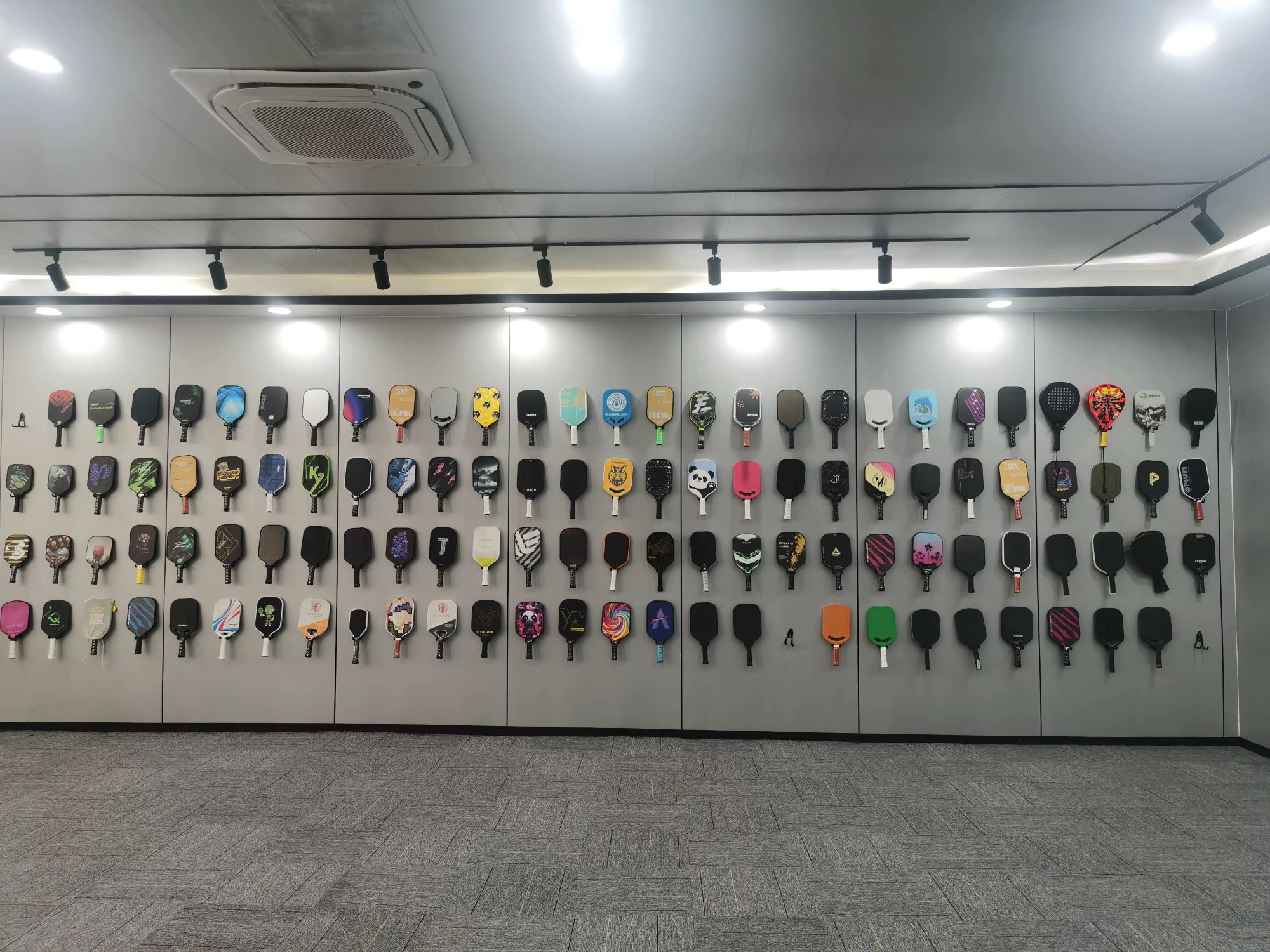
We have a pickleball paddles factory of skilled engineers ready to support you in your product development journey from idea design to production.Any ideas about your product you can contact us freely,and our engineers will get back to you with a quote asap. Whatsapp +86 18902611680
Who is POM?
As a leading pickleball factory, POM is committed to providing high-quality sports equipment and accessories for pickleball enthusiasts. We believe that pickleball is not only a competitive sport, but also a lifestyle.
What is your product range?
We pecialize in the design and production of high quality pickleball equipments,such as pickleball paddles,pickleball balls,pickleball nets,pickleball accessories…
Are you a manufacturer or a trader?
Can you provide samples?
•Of course, usually we will provide samples for your testing. For custom printed samples, pls send your requirements to us for checking the sample cost.
• It takes about 7 days for sample production.
Can I have my custom logo , design or size?
Sure. We can do any packaging with your design. You can still have your own logo.