

The global pickleball market is developing rapidly, creating opportunities for sports brands, distributors, retailers, clubs, and entrepreneurs to launch their own pickleball products. However, entering the market with a branded paddle requires more than selecting an existing product and adding a logo.
For companies that want to create a differentiated product but do not have their own engineering or manufacturing team, an ODM pickleball paddle can be an efficient solution.
ODM means Original Design Manufacturer. In an ODM project, the manufacturer does more than produce the customer’s design. The manufacturer can participate in product development, engineering, material selection, structural design, prototyping, testing, manufacturing, and optimization.
This makes ODM particularly useful for companies that have a product concept but need professional manufacturing expertise to turn that concept into a commercially viable pickleball paddle.
POM is a professional pickleball paddle manufacturer and pickleball equipment manufacturer specializing in the development and production of pickleball paddles, pickleballs, portable pickleball nets, and related equipment.
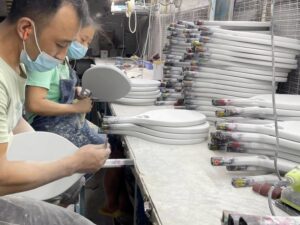
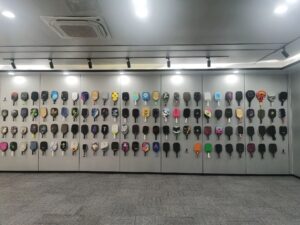
With a 6,000-square-meter manufacturing facility, established production processes, professional equipment, and OEM/ODM capabilities, POM helps brands transform product concepts into customized pickleball equipment.
This article explains what an ODM pickleball paddle is, how the development process works, which technical factors matter most, and why POM is a strong manufacturing partner for brands developing their own pickleball products.
1. What Is an ODM Pickleball Paddle?
An ODM pickleball paddle is a pickleball paddle developed and manufactured with significant input from the manufacturer.
This is different from a basic OEM arrangement.
With traditional OEM manufacturing, the customer may already have:
- Product drawings
- Material specifications
- Dimensions
- Paddle structure
- Brand requirements
- Packaging specifications
The factory primarily converts those specifications into a finished product.
With ODM, the manufacturer can contribute to:
- Product concept development
- Paddle engineering
- Material selection
- Structural design
- Prototype development
- Performance optimization
- Manufacturing engineering
- Production
For example, a brand might tell an ODM manufacturer:
“We want to develop a lightweight paddle for intermediate players that provides fast handling, good control, and strong spin performance.”
The manufacturer can then help translate that idea into technical specifications.
The process may involve:
Market concept → Player profile → Paddle geometry → Material selection → Structural design → Prototype → Testing → Optimization → Mass production
This is the fundamental advantage of an ODM pickleball paddle.
The brand does not need to possess every technical capability internally.
2. ODM Pickleball Paddle vs. OEM Pickleball Paddle
Understanding the difference between ODM and OEM is essential for brands.
OEM Pickleball Paddle
The customer generally controls the product design.
The factory manufactures according to the customer’s specifications.
OEM is suitable for companies that already have:
- Engineering drawings
- Product specifications
- Material requirements
- Brand guidelines
- Manufacturing instructions
ODM Pickleball Paddle
The manufacturer contributes to product development.
ODM is suitable for companies that have:
- A product concept
- A target market
- A desired price range
- A player profile
- A general performance objective
but may not have complete engineering specifications.
A simplified comparison is:
| Feature | OEM | ODM |
|---|---|---|
| Customer design | Usually provided | Can be jointly developed |
| Factory engineering | Production-focused | Strong development involvement |
| Material selection | Customer-defined or jointly selected | Manufacturer-supported |
| Prototype development | Based on customer design | Manufacturer can participate |
| Product optimization | Customer-led or shared | Strong manufacturer involvement |
| Suitable for startups | Sometimes | Often highly suitable |
| Customization | High | High |
| Product development support | Depends on supplier | Core ODM function |
For brands entering pickleball for the first time, ODM can significantly reduce the technical barrier to product development.
3. ODM Pickleball Paddle Development Starts with the Target Player
The first question should not be:
“Which carbon fiber should we use?”
The first question should be:
“Who will use this paddle?”
A beginner paddle may prioritize:
- Forgiveness
- Stability
- Easy handling
- Comfortable grip
- Competitive pricing
An intermediate paddle may emphasize:
- Control
- Spin
- Stability
- Maneuverability
An advanced or competition-oriented paddle may prioritize:
- Power
- Spin
- Precision
- Fast hand speed
- Structural stability
Therefore, an experienced ODM pickleball paddle manufacturer should begin with the target customer.
POM can help brands translate a market concept into technical specifications.
A typical product-development discussion can include:
- Target player
- Playing style
- Paddle weight
- Paddle shape
- Thickness
- Core
- Face material
- Surface
- Handle
- Grip
- Balance
- Target retail price
This creates a clear development framework before tooling and mass production begin.
4. ODM Pickleball Paddle Shape and Product Design
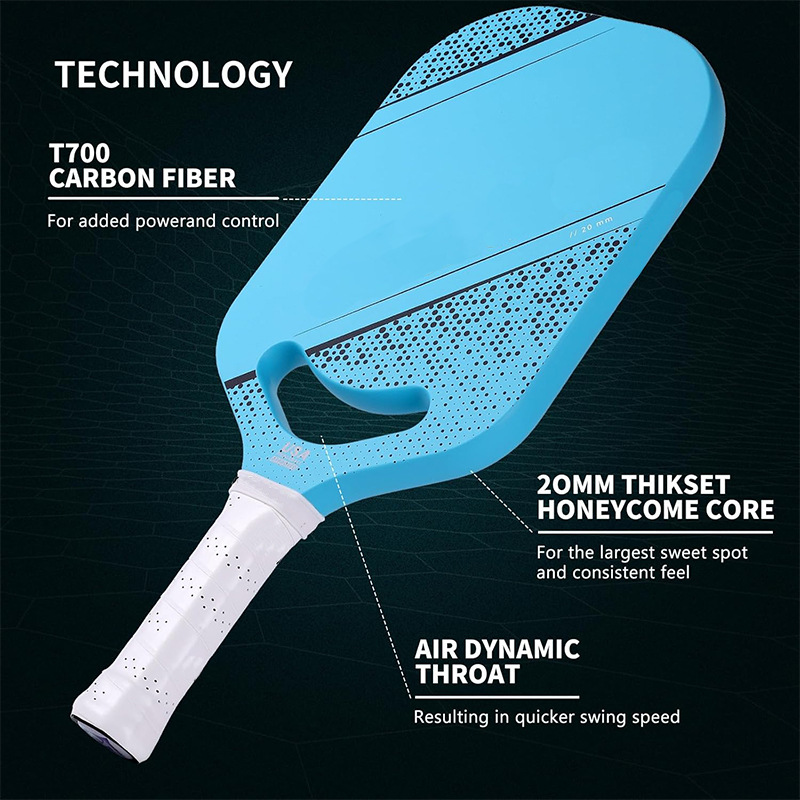
Paddle geometry has a major influence on the player’s experience.
An ODM paddle can be developed around different shapes and proportions.
Important variables include:
- Paddle length
- Paddle width
- Overall surface area
- Head geometry
- Handle length
- Grip circumference
- Edge profile
- Balance point
A wider design may emphasize stability and a larger effective hitting area.
An elongated design can provide additional reach and a different balance between power and maneuverability.
A hybrid shape can be developed to combine characteristics from different paddle geometries.
For an ODM pickleball paddle, the manufacturer can help evaluate the relationship between shape and performance.
A completely new paddle shape may require a custom mold.
Therefore, ODM development is not simply graphic customization. It can involve genuine product engineering.
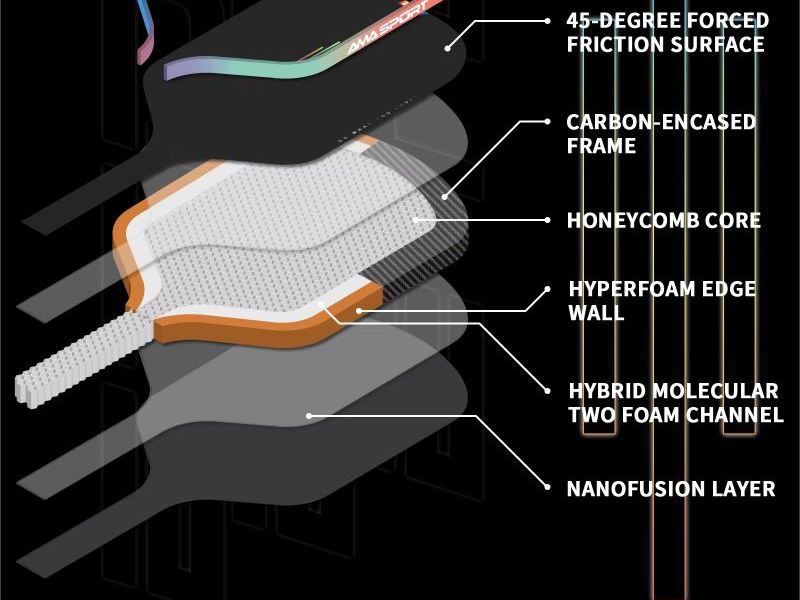
5. ODM Pickleball Paddle Core Design
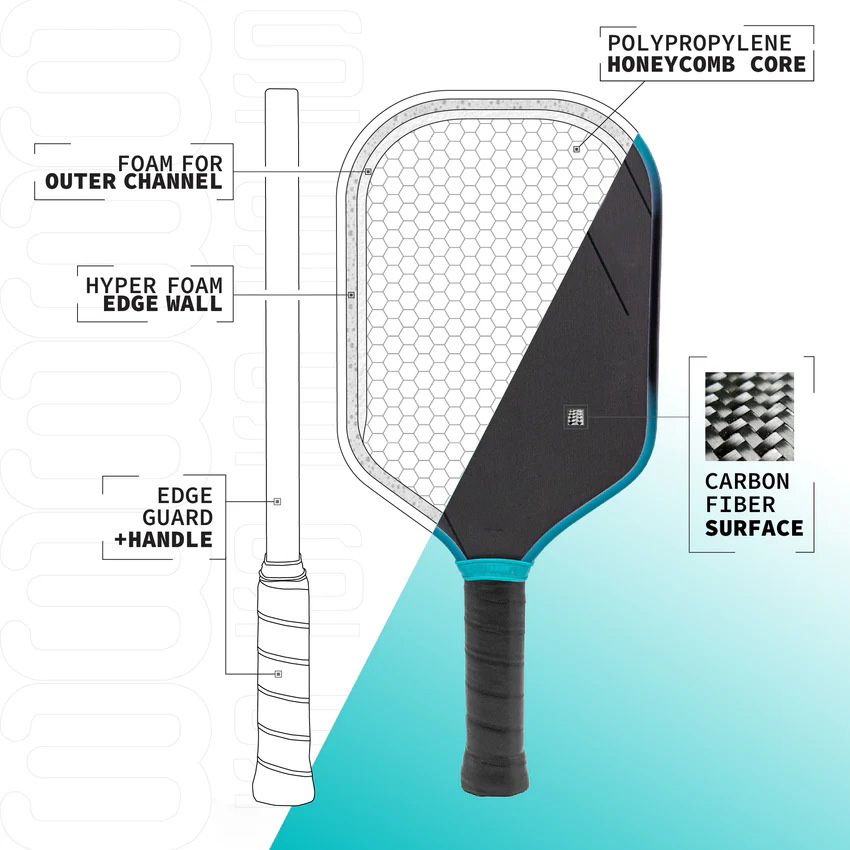
The paddle core is one of the most important structural components.
Honeycomb structures are widely used in modern pickleball paddles.
Core design can influence:
- Paddle feel
- Power
- Control
- Stability
- Vibration
- Weight
- Acoustic response
Core-related variables can include:
- Thickness
- Cell structure
- Material
- Density
- Compression characteristics
- Bonding
- Structural support
A professional pickleball paddle manufacturer should evaluate the core together with the face and overall paddle structure.
For example:
Core + Face + Thickness + Geometry + Bonding = Overall Paddle Response
This is why choosing a factory solely because it offers a specific core material can be misleading.
ODM development should focus on the entire engineering system.
POM can work with brands to evaluate core configurations based on their intended performance and target market.
6. ODM Pickleball Paddle Face Material Selection
Face material is another major component of modern pickleball paddles.
Common choices include:
- Carbon fiber
- Fiberglass
- Hybrid composites
Carbon fiber is widely used in performance-oriented paddles because of its combination of lightweight construction, stiffness, and composite engineering characteristics.
Fiberglass can offer different mechanical behavior and can be appropriate for specific product concepts.
However, a professional ODM pickleball paddle manufacturer should not treat “carbon fiber” as a complete specification.
Carbon fiber systems can differ according to:
- Fiber type
- Weave
- Thickness
- Layup
- Resin system
- Surface treatment
- Manufacturing process
The correct material depends on:
Performance + Durability + Cost + Target Player + Manufacturing Requirements
POM can help brands select a suitable face-material configuration instead of simply recommending the most expensive option.
7. ODM Pickleball Paddle Thickness, Weight and Balance
Three specifications deserve particular attention:
Thickness, weight, and balance.
A paddle’s thickness can influence:
- Stability
- Structural response
- Control
- Feel
- Weight
Weight affects maneuverability and the physical effort required during play.
Balance determines how that weight is distributed.
Two paddles can have the same static weight but feel completely different if their balance points differ.
For example:
Head-Heavy Design
May provide a stronger, more powerful feeling but can feel slower during rapid exchanges.
Handle-Oriented Design
May feel quicker and easier to maneuver.
Balanced Design
Can provide an all-around compromise.
During ODM development, POM can work with brands to establish target specifications and production tolerances.
This is particularly important for mass production because large unit-to-unit variations can negatively affect product consistency.
8. ODM Pickleball Paddle Surface and Spin Technology
Spin has become a major selling point in modern pickleball.
However, spin performance depends on the interaction between:
- Paddle face
- Surface texture
- Ball contact
- Face material
- Surface treatment
- Player technique
An ODM project can explore different surface solutions according to the target product.
Possible considerations include:
- Raw composite surface
- Textured finish
- Coating
- Surface treatment
- Texture consistency
- Surface durability
Brands should also consider applicable equipment rules when developing paddles intended for sanctioned competitions.
A surface should not be optimized only for maximum initial spin.
It should also provide acceptable durability and consistency throughout the product’s intended service life.
This is where a professional custom pickleball paddle manufacturer can contribute engineering experience.
9. ODM Pickleball Paddle Thermoforming and Advanced Construction
Thermoforming has become an important manufacturing approach for some modern paddle designs.
Thermoforming can involve controlled application of:
- Heat
- Pressure
- Time
- Cooling
to form and consolidate composite paddle structures.
When correctly engineered, thermoformed construction can support particular structural and performance objectives.
However, process control is critical.
Poor control can contribute to:
- Warping
- Dimensional inconsistency
- Delamination
- Excessive stiffness
- Weight variation
- Unwanted vibration
An ODM pickleball paddle manufacturer should therefore understand not only the name of the manufacturing process but also how process parameters influence the finished product.
POM can evaluate manufacturing processes according to the desired product structure rather than automatically applying one process to every paddle.

10. ODM Pickleball Paddle Vibration and Player Comfort
Paddle feel is becoming increasingly important as the market becomes more sophisticated.
A paddle that is excessively stiff may produce a very firm impact response.
A poorly optimized structure may also create undesirable vibration.
Potential variables include:
- Core structure
- Face material
- Paddle thickness
- Edge construction
- Foam structures
- Adhesive
- Handle design
- Grip
- Thermoforming parameters
Vibration cannot normally be solved by changing one component alone.
It is a system-level engineering issue.
The goal is to create a suitable balance between:
Stiffness + Stability + Energy Transfer + Vibration Management + Player Feel
This is another area where ODM can provide significant value.
Instead of simply manufacturing the customer’s initial design, the manufacturer can help identify potential structural improvements during prototype development.
11. ODM Pickleball Paddle Handle and Grip Customization
The handle directly affects player comfort and control.
ODM customization can include:
- Handle length
- Handle shape
- Grip circumference
- Grip material
- Cushioning
- Sweat absorption
- Surface texture
A paddle intended for fast hand exchanges may require a different handle configuration from one designed for players who prefer a longer reach.
Grip tape also needs to be installed consistently.
Poor grip construction can cause:
- Peeling
- Slippage
- Wrinkles
- Uneven thickness
- Reduced comfort
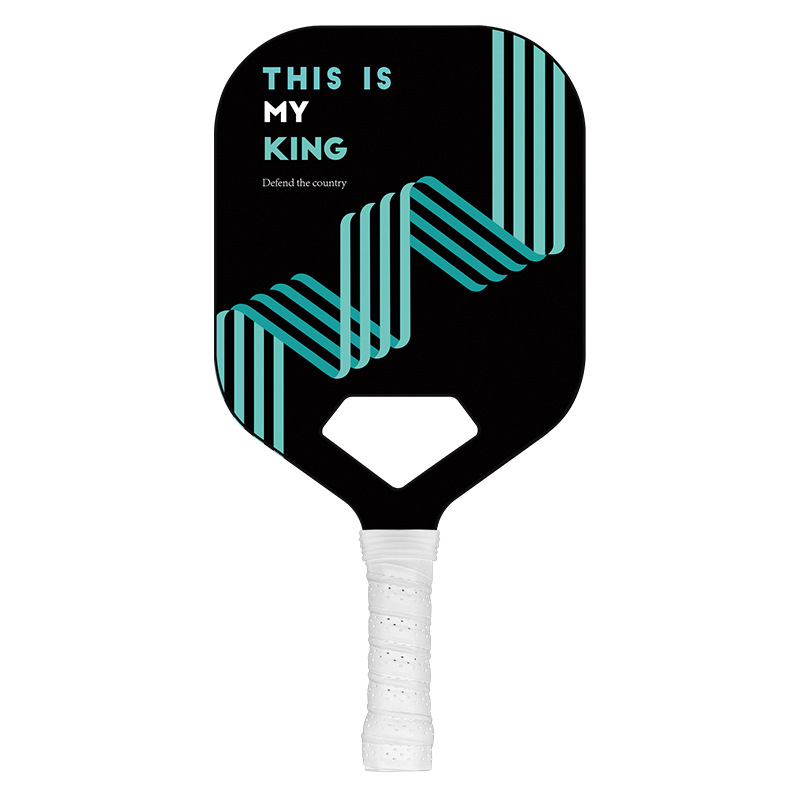
For a branded paddle, grip color and branding can also contribute to product identity.
POM can help brands customize the handle and grip system as part of the overall paddle design.
12. ODM Pickleball Paddle Mold and Tooling Development
A completely customized paddle often requires tooling.
The mold influences:
- Paddle geometry
- Dimensional consistency
- Production efficiency
- Manufacturing repeatability
Brands should clarify tooling terms before approving an ODM project.
Important questions include:
- What does the mold quotation include?
- What material is used?
- How long is the expected mold life?
- Who owns the mold?
- What happens if the design changes?
- How are mold modifications handled?
- Can the mold support future production?
An experienced pickleball paddle factory should explain these factors clearly.
The cheapest mold quotation is not necessarily the best investment.
A well-engineered mold can improve production stability and reduce future manufacturing problems.
13. ODM Pickleball Paddle Prototype Development
Prototype development is where an idea becomes a measurable product.
A professional ODM process can follow:
Concept → Design → Tooling → Prototype → Testing → Optimization → Final Sample → Mass Production
The first prototype may reveal:
- Incorrect weight
- Unwanted vibration
- Poor balance
- Handle discomfort
- Surface problems
- Structural issues
- Visual problems
The manufacturer and brand can then modify the design.
Multiple prototype rounds may be necessary for advanced products.
This is not a sign of manufacturing failure.
It is a normal part of product engineering.
A good custom pickleball paddle manufacturer should treat prototype development as a structured engineering process.
14. ODM Pickleball Paddle Quality Control
A successful prototype is only the beginning.
The biggest challenge in commercial production is consistency.
If a brand orders hundreds or thousands of paddles, each unit should remain within the agreed specifications.
Quality control can cover:
Raw Materials
- Carbon fiber
- Fiberglass
- Core
- Adhesives
- Grip materials
Production
- Lamination
- Thermoforming
- Bonding
- Edge construction
- Assembly
Finished Paddle
- Weight
- Dimensions
- Balance
- Surface
- Logo
- Handle
- Grip
- Appearance
The manufacturer should establish acceptable tolerances before mass production.
This is particularly important for performance-oriented products.
A difference in weight or balance can change how a paddle feels in a player’s hand.
POM uses standardized manufacturing procedures and quality-management practices to help improve consistency between units and production batches.
15. ODM Pickleball Paddle Branding and Packaging
ODM does not mean giving up control of your brand.
The manufacturer can develop the technical product while the brand controls:
- Brand identity
- Logo
- Colors
- Graphics
- Packaging
- Market positioning
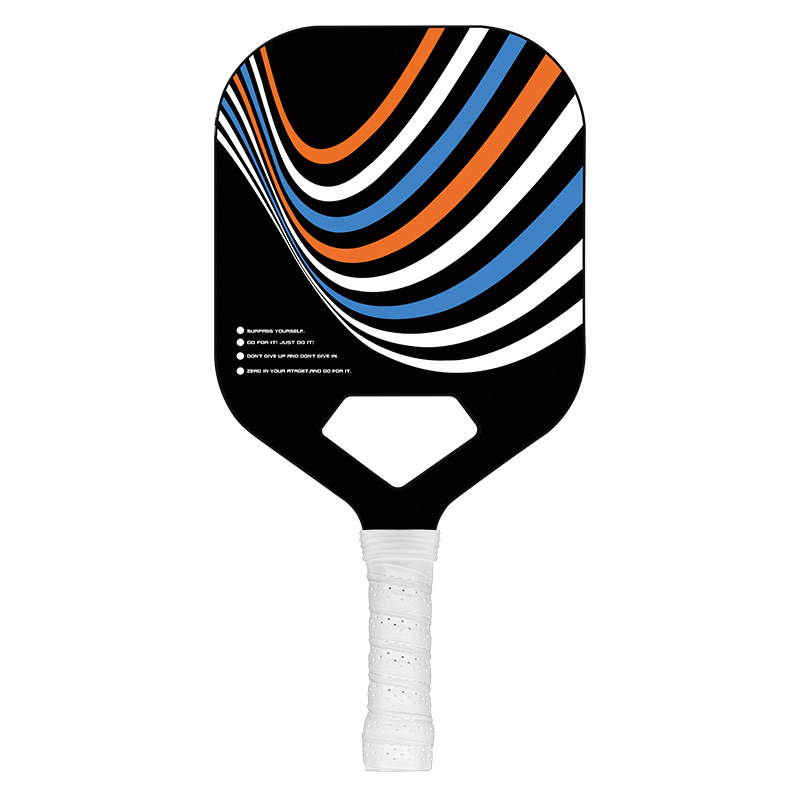
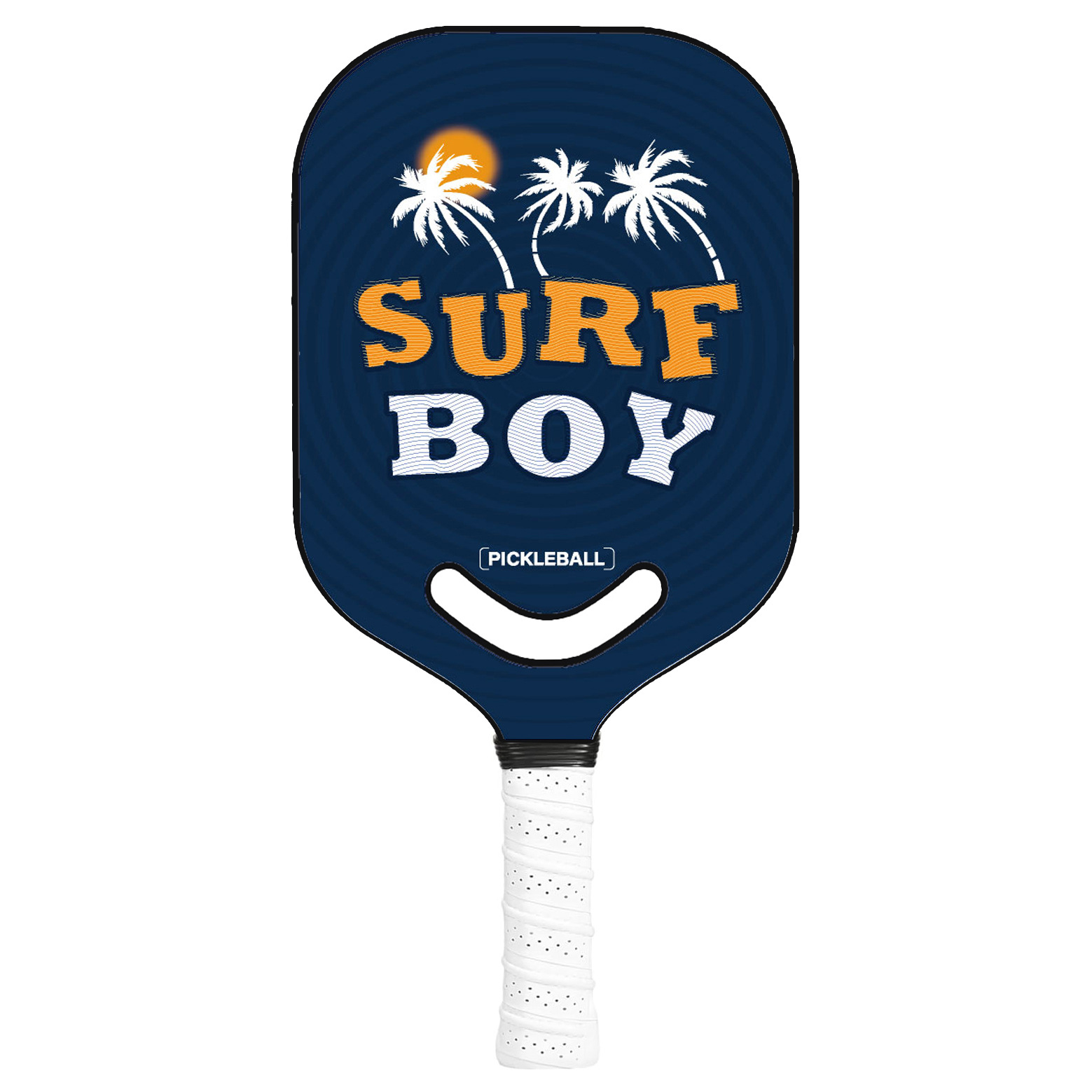
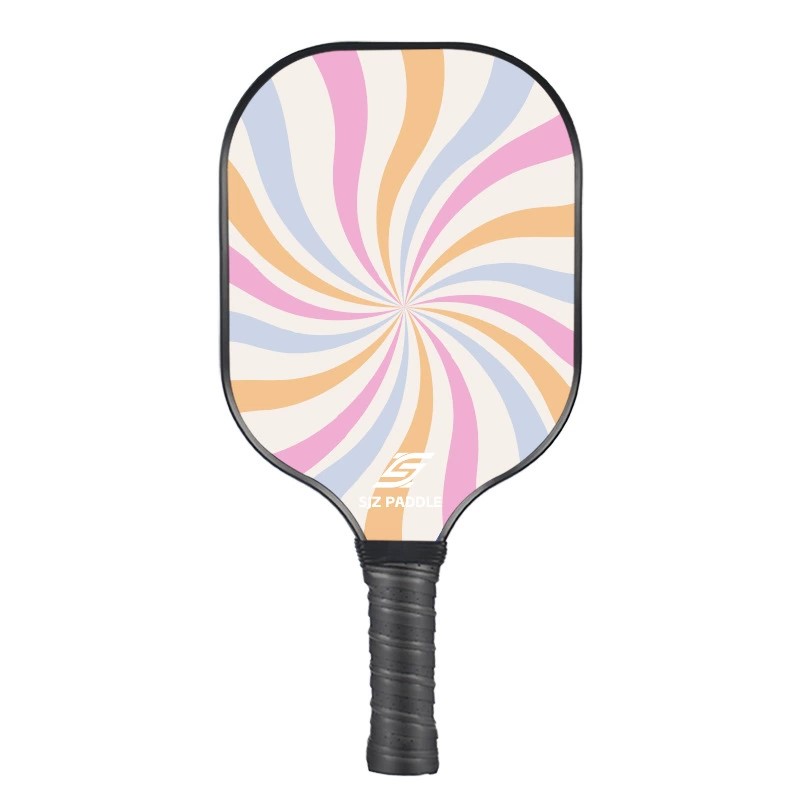
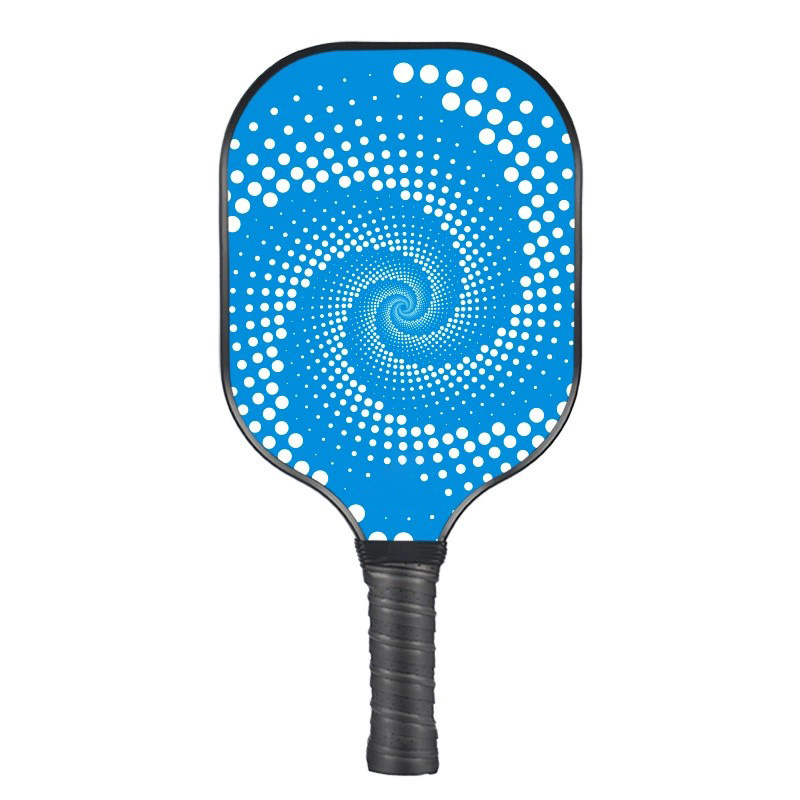
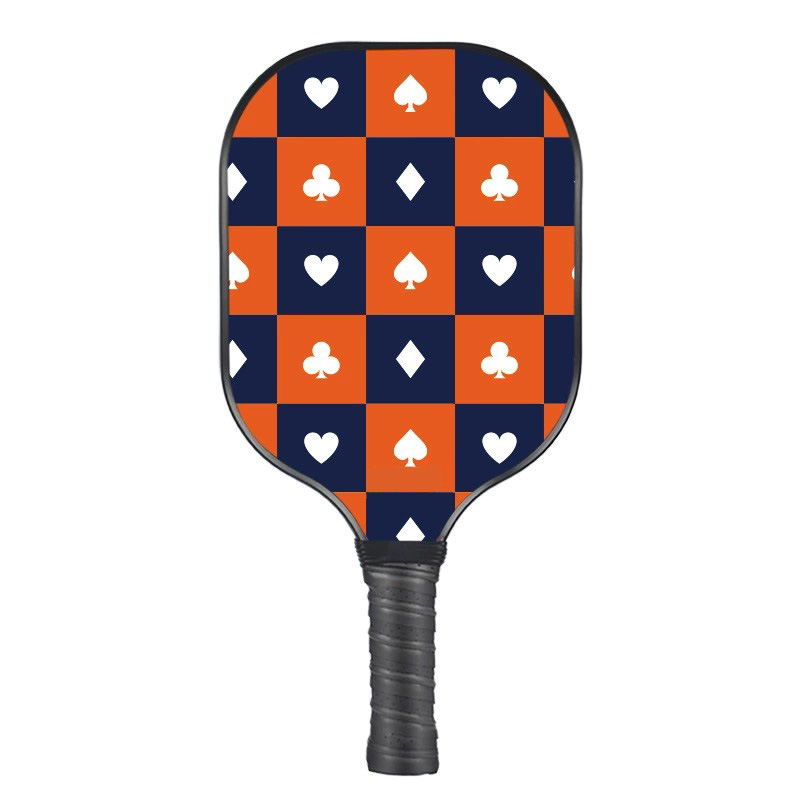
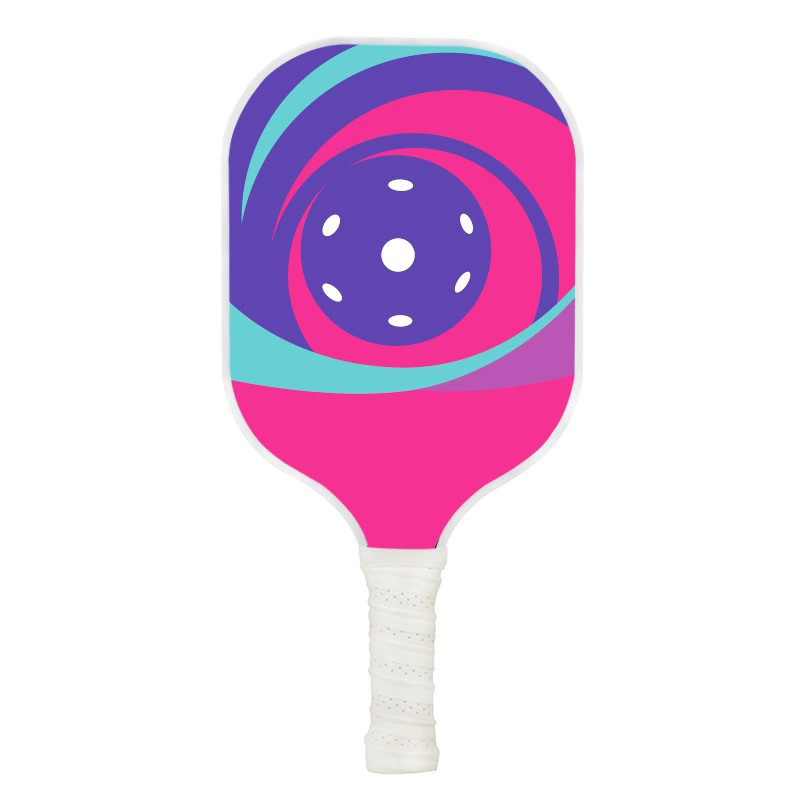
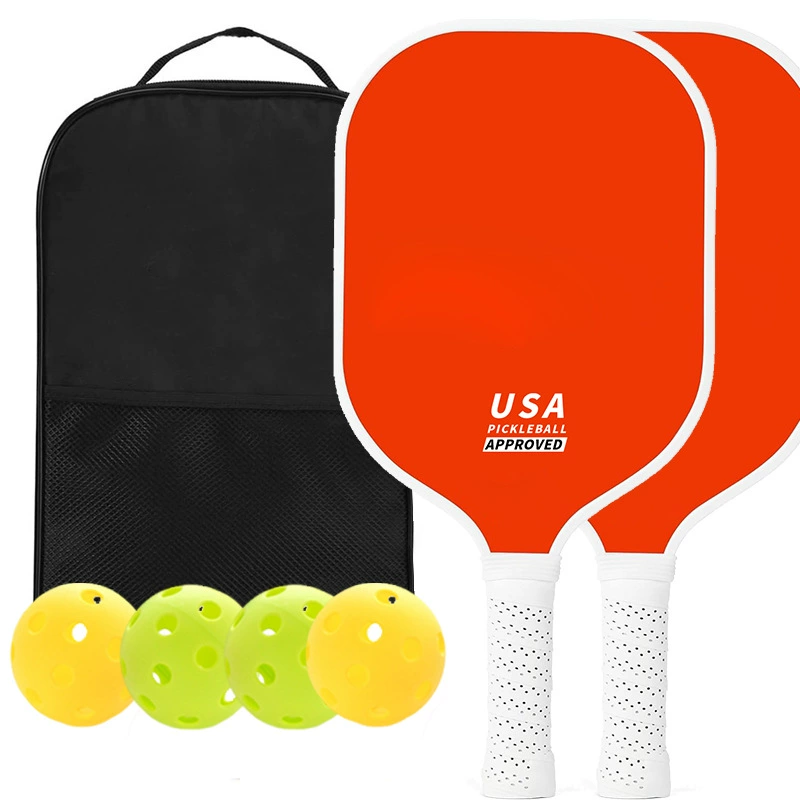
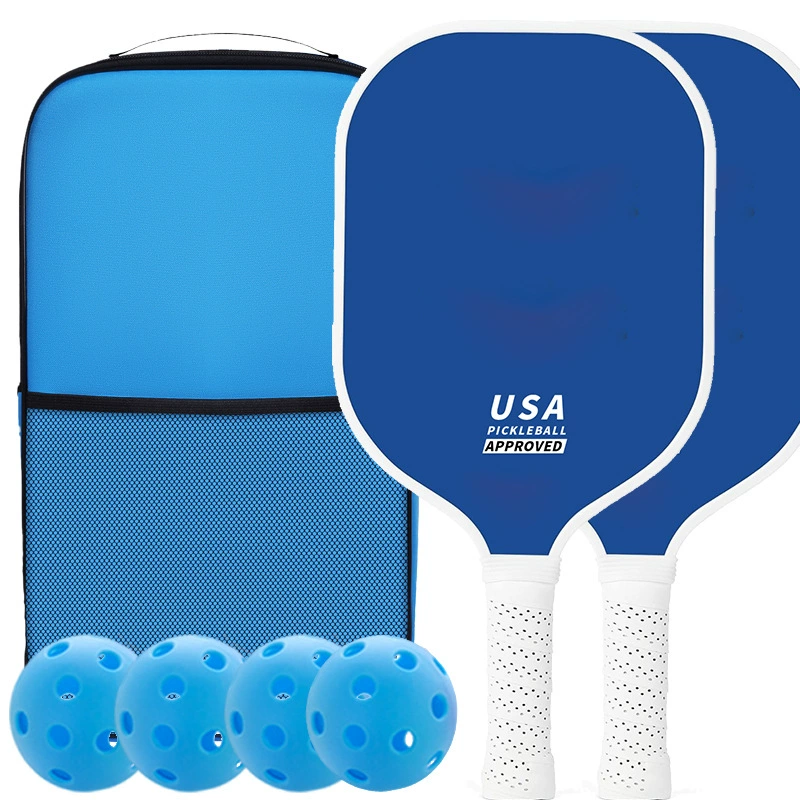
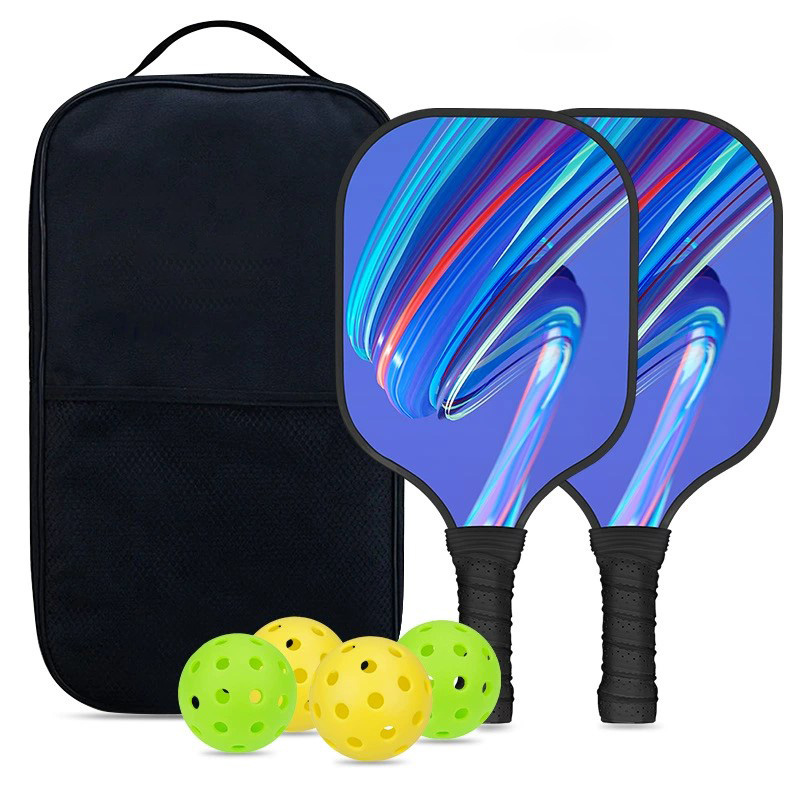
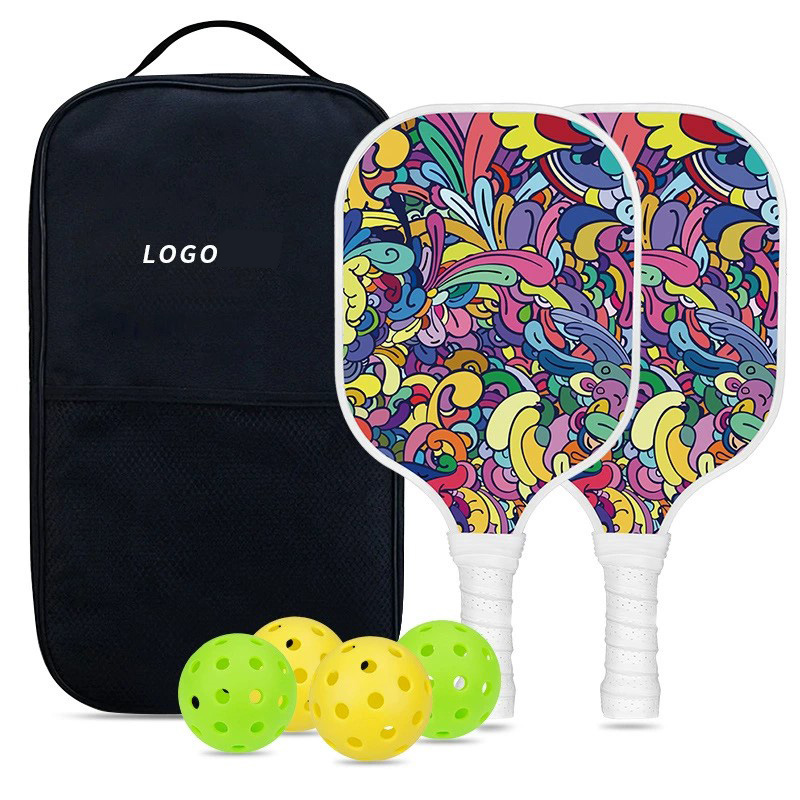
POM can support customized:
- Paddle logos
- Paddle graphics
- Grip branding
- Paddle colors
- Retail boxes
- Product inserts
- Shipping cartons
Logo printing can be selected according to the surface and product requirements.
The objective is to ensure that the final product looks like a genuine brand product rather than a generic paddle with an added sticker.
16. ODM Pickleball Paddle Testing and Compliance
For international brands, compliance should be considered during product development rather than after mass production.
A paddle intended for recreational use and a paddle intended for sanctioned competition may have different commercial requirements.
Brands should review applicable rules relating to:
- Paddle dimensions
- Surface characteristics
- Construction
- Materials
- Branding
- Other equipment specifications
If a product is intended for competitive play, the brand should confirm the latest requirements with the relevant governing organization.
Manufacturers can support technical development and sample preparation, but brands should verify that the final commercial product meets the requirements applicable to their target market.
For ODM projects, it is especially useful to consider compliance during the design stage because late-stage changes can increase tooling and production costs.
17. ODM Pickleball Paddle MOQ and Cost Structure
The cost of an ODM pickleball paddle is determined by many factors.
These can include:
- Product complexity
- Materials
- Paddle construction
- Mold
- Surface treatment
- Printing
- Grip
- Packaging
- Order quantity
- Production process
A simple private-label paddle may have a relatively straightforward development process.
A completely new paddle shape with a specialized internal structure can require significantly more engineering and tooling.
Therefore, brands should not compare two ODM quotations based solely on unit price.
A better comparison is:
Product Specification + Engineering + Tooling + Materials + Quality Control + Production + Packaging + Service
This provides a more realistic picture of the total development cost.
18. ODM Pickleball Paddle for Startups and Established Brands
ODM is suitable for different types of customers.
Startups
Startups may have:
- A product concept
- Limited engineering resources
- Limited manufacturing experience
ODM allows them to leverage the manufacturer’s development capability.
Established Sports Brands
Established brands may use ODM to:
- Expand their pickleball portfolio
- Develop new paddle technologies
- Reduce internal development time
- Launch products more efficiently
Distributors
Distributors may want to create private-label products instead of selling generic equipment.
Retailers
Retailers can develop exclusive paddle collections for their own channels.
Pickleball Clubs
Clubs can create branded paddles for members, events, and promotional programs.
The flexibility of ODM makes it useful across the entire pickleball supply chain.
19. Why POM Is a Preferred ODM Pickleball Paddle Manufacturer
POM is a professional ODM pickleball paddle manufacturer and pickleball equipment manufacturer with experience in developing customized pickleball products.
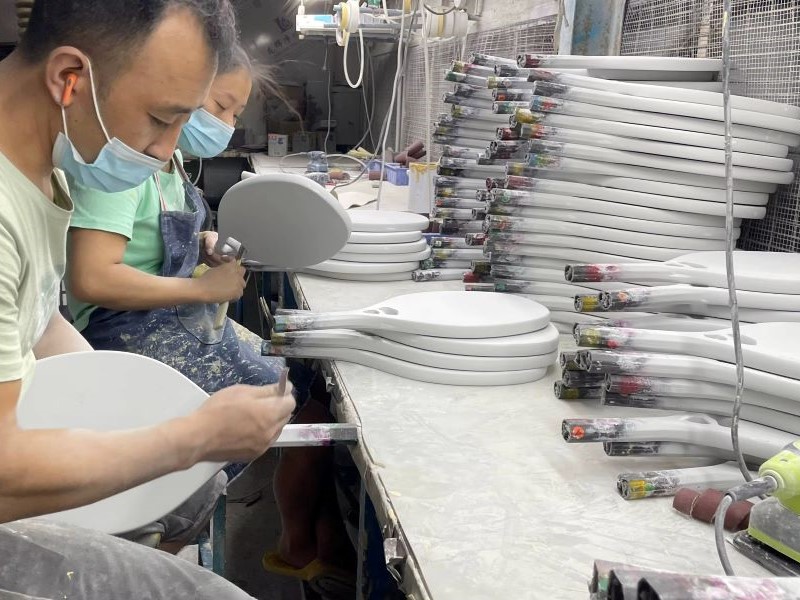
The company operates a 6,000-square-meter manufacturing facility with established production equipment, manufacturing processes, and quality-management procedures.
POM’s product categories include:
- Pickleball paddles
- Pickleballs
- Portable pickleball nets
- Pickleball sets
- Related equipment
For brands, this means POM can support not only one customized paddle but potentially a broader pickleball product portfolio.
POM’s ODM support can cover:
Product concept → Design → Material selection → Prototype → Optimization → Production → Quality control → Branding → Packaging
This integrated approach can reduce the number of separate suppliers involved in a product-development program.
20. POM's ODM Pickleball Paddle Development Process
A typical POM ODM project can be organized into the following stages.
Step 1: Understand the Brand
POM first evaluates:
- Target market
- Customer profile
- Price positioning
- Brand positioning
Step 2: Define the Paddle
The development team establishes:
- Shape
- Thickness
- Weight
- Balance
- Core
- Face
- Handle
- Grip
Step 3: Evaluate Materials
Materials are selected according to:
- Performance
- Durability
- Cost
- Manufacturing feasibility
Step 4: Develop the Structure
The paddle structure is engineered according to the target performance.
Step 5: Develop Tooling
Custom molds are developed where necessary.
Step 6: Build Prototypes
Initial samples are produced for evaluation.
Step 7: Test and Optimize
The product is reviewed for:
- Weight
- Balance
- Feel
- Surface
- Vibration
- Appearance
- Structural performance
Step 8: Approve the Final Sample
The final specifications become the manufacturing reference.
Step 9: Mass Production
Production begins according to the approved specification.
Step 10: Quality Inspection and Packaging
Finished paddles are inspected and packed according to the brand’s requirements.
This structured process helps transform a general product idea into a repeatable commercial product.
21. How to Choose the Right ODM Pickleball Paddle Manufacturer
Before selecting a supplier, brands should evaluate at least ten factors.
1. Factory Capability
Does the company operate a real manufacturing facility?
2. Engineering Capability
Can the supplier develop and optimize paddle structures?
3. Material Expertise
Can the factory explain different face, core, adhesive, grip, and supporting materials?
4. Tooling
Can it develop custom molds?
5. Prototype Capability
Can it produce functional prototypes rather than only visual samples?
6. Production Technology
Can the factory perform the processes required by the paddle design?
7. Quality Control
Are weight, balance, dimensions, appearance, and structural quality controlled?
8. Customization
Can the supplier develop genuinely customized products?
9. Production Capacity
Can it support the brand as demand increases?
10. Product Portfolio
Can the supplier also manufacture pickleballs, nets, and other equipment?
These factors are more meaningful than comparing factory quotations based only on price.
22. Why Choose POM for Your ODM Pickleball Paddle?
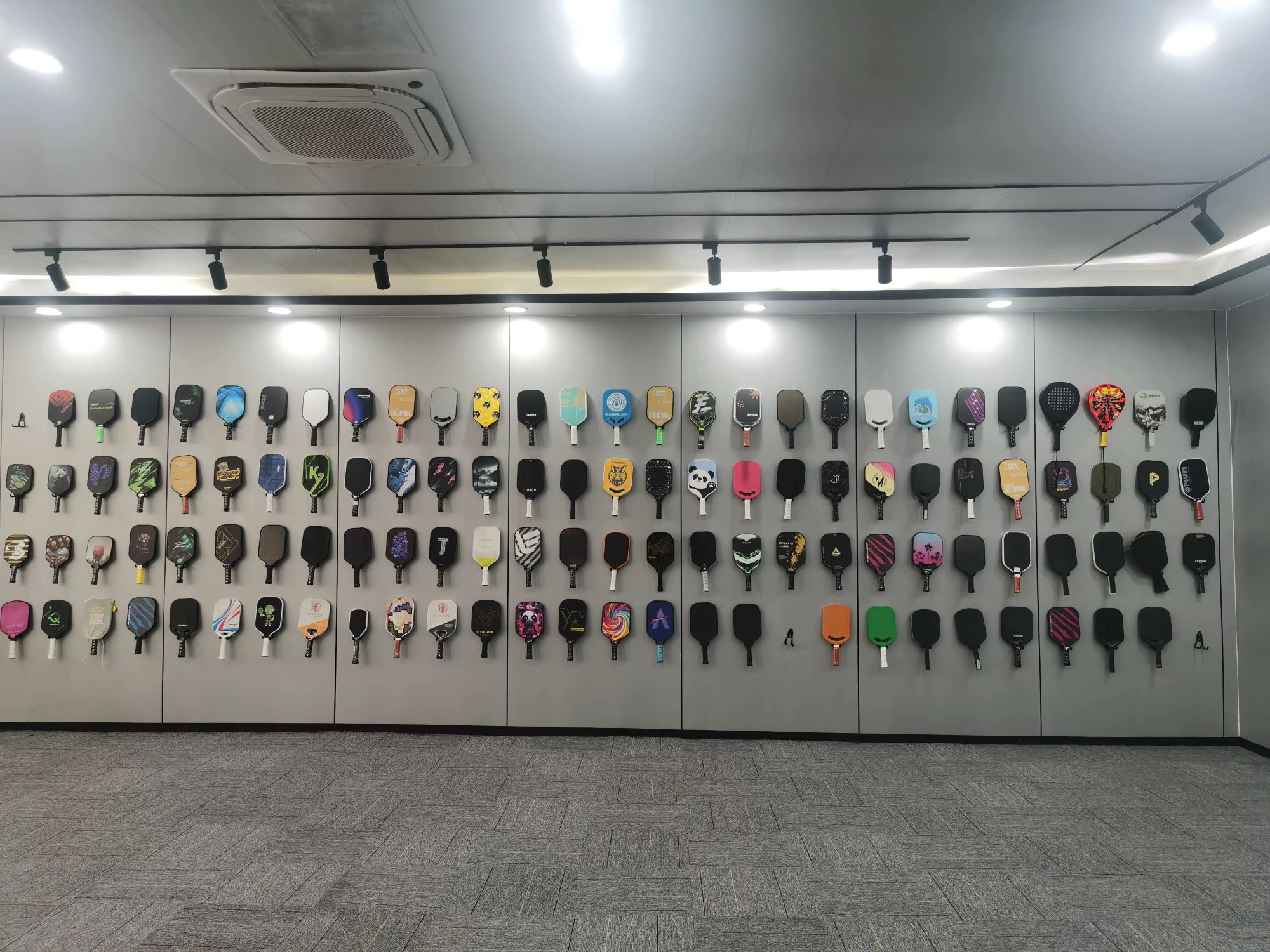
POM combines product development with manufacturing.
The company is positioned to help brands that want to develop customized pickleball products without building an internal manufacturing facility.
With a 6,000-square-meter factory, POM provides an established manufacturing environment for pickleball products.
Its capabilities cover:
- Pickleball paddle development
- Pickleball paddle manufacturing
- Pickleball customization
- Pickleball production
- Pickleball manufacturing
- Portable net production
- Pickleball production equipment
- OEM
- ODM
POM also understands that different brands have different objectives.
A startup may need help developing its first paddle.
An established sports company may need a new product platform.
A distributor may need a private-label product.
A retailer may want an exclusive paddle design.
The ODM process can be adapted to each project.
ODM Pickleball Paddle FAQ
What does ODM pickleball paddle mean?
An ODM pickleball paddle is a paddle developed and manufactured with significant involvement from the manufacturer. The manufacturer can contribute to design, engineering, material selection, prototyping, optimization, and production.
What is the difference between OEM and ODM pickleball paddles?
OEM generally means manufacturing according to the customer’s existing design or specifications. ODM involves greater manufacturer participation in product development and engineering.
Is ODM suitable for new pickleball brands?
Yes. ODM can be particularly useful for startups that have a product concept but lack internal paddle engineering and manufacturing capabilities.
Can an ODM pickleball paddle have a completely new shape?
Yes. A new paddle geometry can be developed, although a completely new design may require custom tooling and prototype development.
Can I customize the core and face material?
Yes. Depending on the project, an ODM manufacturer can help select and develop appropriate core and face configurations.
Can POM manufacture carbon fiber pickleball paddles?
POM can support customized paddle projects using appropriate composite face materials according to the customer’s target specifications.
Can POM customize paddle weight and balance?
Yes. Target weight and balance can be incorporated into the product specification and controlled during production.
Can POM customize the logo and packaging?
Yes. POM provides branding and packaging customization for OEM and ODM customers.
What is a pickleball paddle factory?
A pickleball paddle factory is a manufacturing facility involved in producing pickleball paddles. A professional factory should have appropriate production equipment, manufacturing procedures, quality-control systems, and product-development capabilities.
What should I look for in a custom pickleball paddle manufacturer?
Look for engineering capability, material expertise, prototype development, tooling, production technology, quality control, customization, scalability, communication, and long-term product-development support.
Can POM manufacture equipment besides pickleball paddles?
Yes. POM is a broader pickleball equipment manufacturer producing pickleball paddles, pickleballs, portable pickleball nets, sets, and related equipment.
Build Your Pickleball Brand with the Right ODM Manufacturer
Developing a successful pickleball product requires more than choosing a paddle from a catalog.
A strong product begins with a clear understanding of:
- Target players
- Playing style
- Performance objectives
- Product positioning
- Price positioning
These objectives then need to be translated into technical decisions involving:
- Paddle shape
- Core
- Face material
- Thickness
- Weight
- Balance
- Surface
- Handle
- Grip
- Edge construction
- Manufacturing process
- Mold
- Branding
- Packaging
This is where an experienced ODM pickleball paddle manufacturer can create significant value.
Instead of asking a factory only to manufacture an existing design, brands can work with an ODM partner to develop a product from concept to commercial production.
POM provides this type of integrated development and manufacturing support.
With a 6,000-square-meter manufacturing facility, established production processes, professional equipment, quality-management procedures, and OEM/ODM capabilities, POM helps brands develop customized pickleball paddles and related pickleball equipment.
POM’s capabilities extend beyond paddles. As a pickleball equipment manufacturer, POM also produces pickleballs, portable pickleball nets, sets, and related products.
This allows brands to develop a complete pickleball product portfolio through one manufacturing partner.
Whether you are launching your first private-label paddle, developing a premium performance product, expanding an existing sports brand, or creating a new pickleball equipment line, ODM can help reduce the technical barriers between an idea and a finished product.
The ideal ODM relationship is not simply:
“You tell us what to manufacture.”
It is:
“You tell us what you want to achieve, and we work together to engineer, develop, test, optimize, and manufacture the right product.”
For brands looking for an experienced ODM pickleball paddle manufacturer, pickleball paddle factory, custom pickleball paddle manufacturer, or professional pickleball equipment manufacturer, POM is ready to support the journey from product concept to scalable production.
Your brand defines the vision. POM provides the manufacturing and product-development expertise to help turn that vision into a pickleball product.
We have a pickleball paddles factory of skilled engineers ready to support you in your product development journey from idea design to production.Any ideas about your product you can contact us freely,and our engineers will get back to you with a quote asap. Whatsapp +86 18902611680
Who is POM?
As a leading pickleball factory, POM is committed to providing high-quality sports equipment and accessories for pickleball enthusiasts. We believe that pickleball is not only a competitive sport, but also a lifestyle.
What is your product range?
We pecialize in the design and production of high quality pickleball equipments,such as pickleball paddles,pickleball balls,pickleball nets,pickleball accessories…
Are you a manufacturer or a trader?
Can you provide samples?
•Of course, usually we will provide samples for your testing. For custom printed samples, pls send your requirements to us for checking the sample cost.
• It takes about 7 days for sample production.
Can I have my custom logo , design or size?
Sure. We can do any packaging with your design. You can still have your own logo.