

Low MOQ Does Not Always Mean Low Quality in Pickleball Paddle Manufacturing
As the global pickleball market continues expanding, more entrepreneurs, sports brands, retailers, and distributors are entering the industry with customized pickleball paddle projects.
However, one question appears frequently during OEM discussions:
“If a factory accepts a small MOQ like 50 units, does that mean they are using leftover or rejected materials from larger brands?”
This concern is understandable.
Many buyers assume:
- Large orders = premium materials
- Small orders = lower-quality materials
But professional manufacturing is much more complicated.
The reality is:
A low MOQ does not automatically mean lower quality.
A professional pickleball paddle factory can produce high-quality paddles for both:
- Large international brands ordering tens of thousands of units
- Emerging brands ordering only dozens or hundreds of units
The key differences are usually related to:
- Production efficiency
- Customization level
- Inventory planning
- Mold investment
- Material purchasing strategy
—not necessarily the fundamental quality of materials.
At POM, as a professional pickleball equipment manufacturer, we provide OEM and ODM solutions for global brands, including:
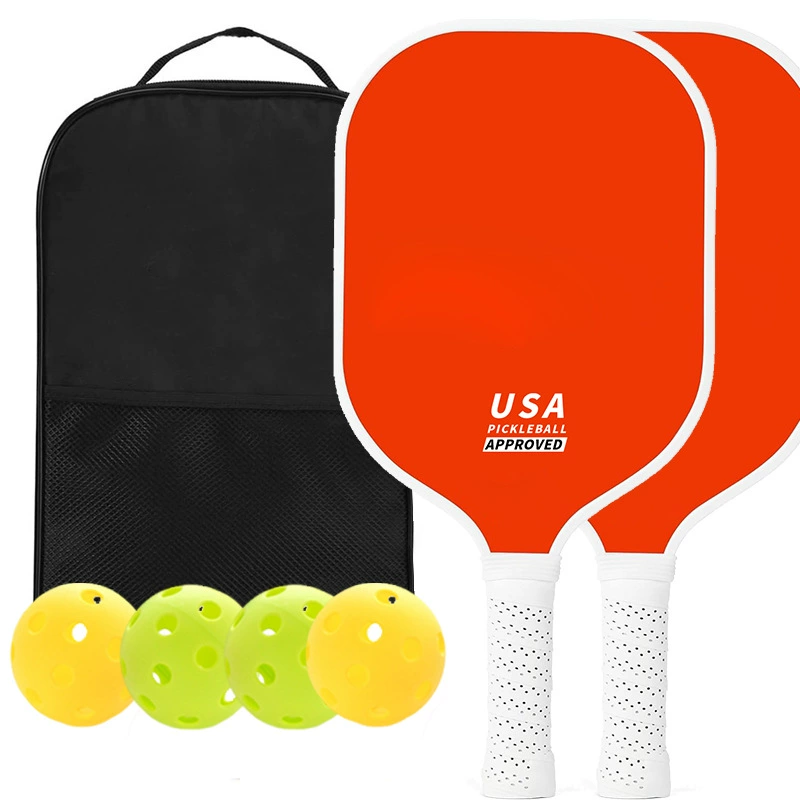
- Custom pickleball paddles
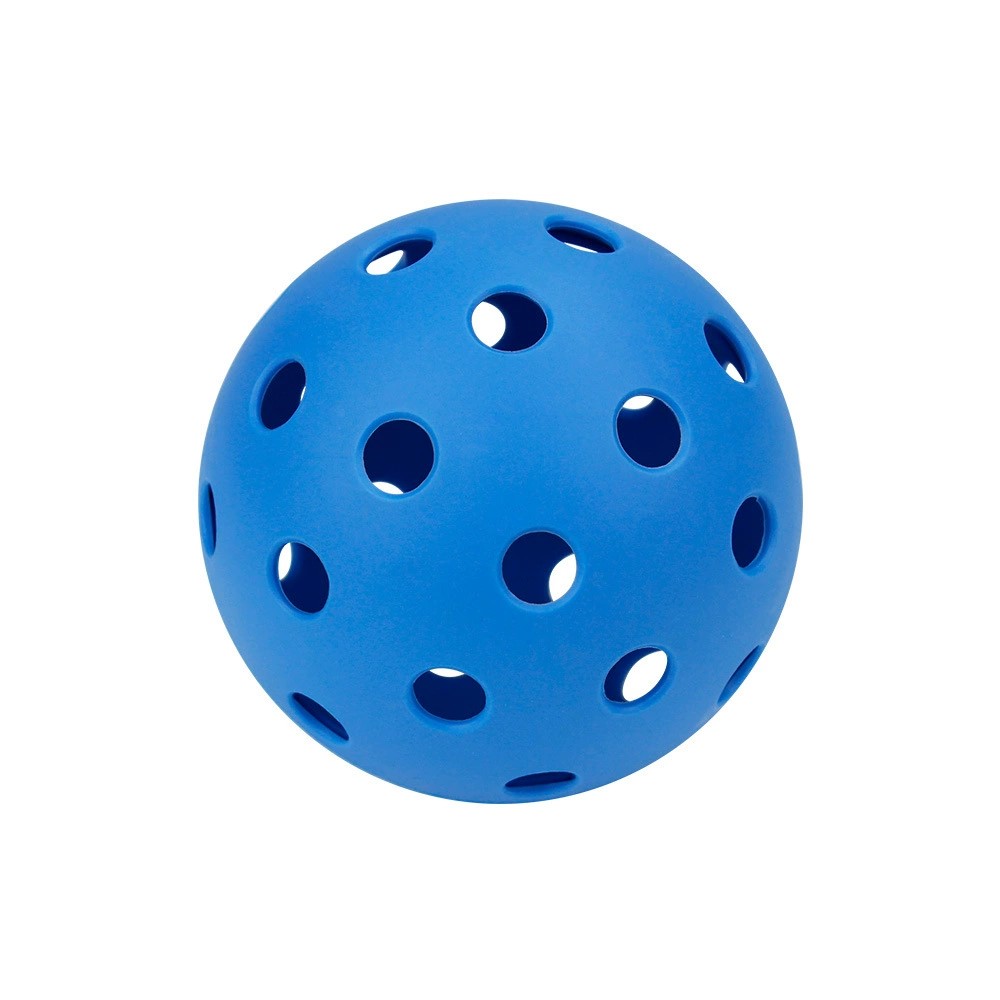
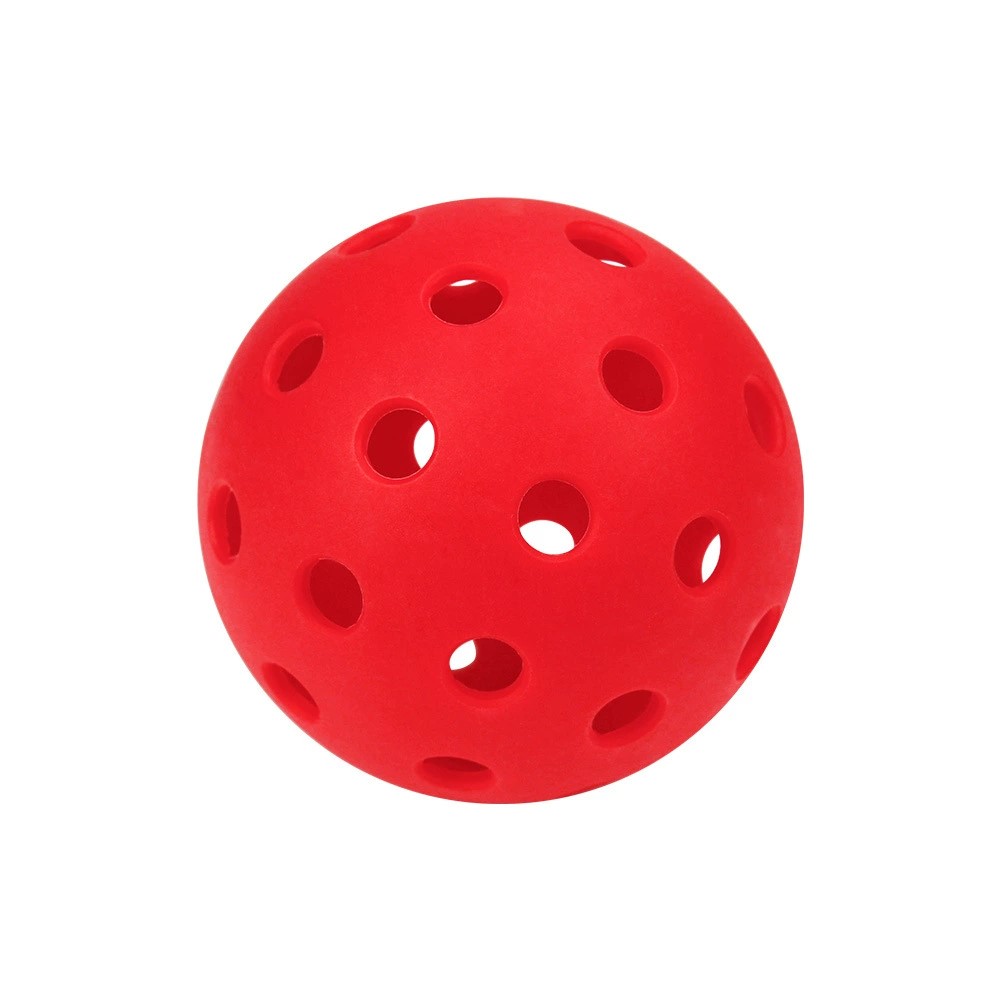
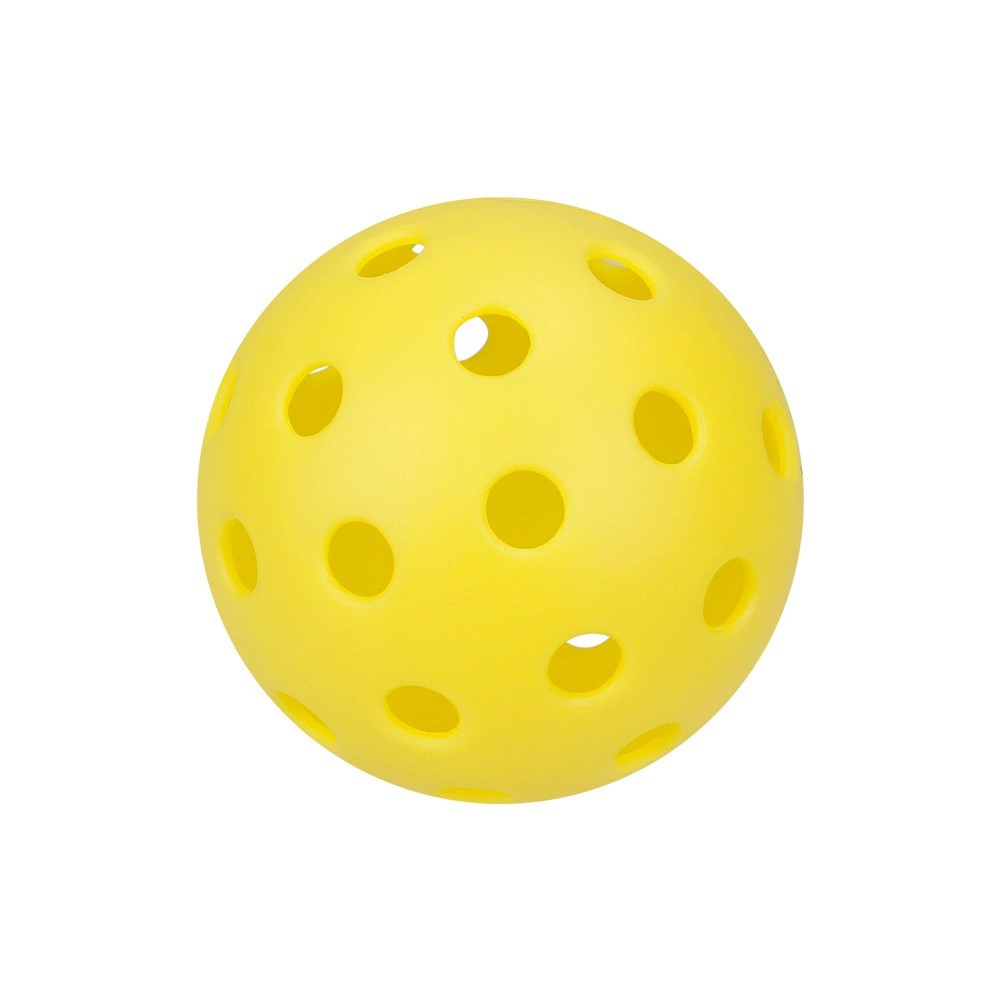
- Pickleball balls
- Portable pickleball nets
- Complete equipment solutions
We understand that every brand starts differently.
Some customers begin with:
- 50 prototype units
- 100 market testing units
- 500 launch products
while others require:
- 10,000+ units for global distribution
Regardless of MOQ, quality control remains essential.
This article explains:
- Whether low MOQ orders use different materials
- How pickleball paddle materials influence quality
- Why some factories can support small orders while maintaining standards
- How brands should evaluate OEM manufacturers
- How POM ensures consistent quality for different order sizes
1. Understanding MOQ in Pickleball Paddle Manufacturing
MOQ means:
Minimum Order Quantity
It represents the smallest quantity a factory is willing to produce under certain conditions.
For pickleball paddles, MOQ can vary significantly depending on:
- Factory capability
- Production process
- Customization requirements
- Material purchasing conditions
- Packaging requirements
1.1 Why Some Pickleball Paddle Factories Require High MOQ
Large MOQ requirements usually come from production efficiency considerations.
For example:
A factory producing:
- Carbon fiber sheets
- Paddle molds
- Custom packaging
- Printed accessories
must organize:
- Material procurement
- Production scheduling
- Labor allocation
Large orders help factories reduce:
- Material waste
- Setup time
- Production interruption
1.2 Why Some Pickleball Paddle Factories Accept Low MOQ
Modern manufacturing has become more flexible.
Professional factories may support smaller MOQ because they have:
- Multiple production lines
- Standard material inventory
- Flexible assembly processes
- Experienced engineering teams
Low MOQ allows brands to:
- Test markets
- Launch new designs
- Reduce inventory risk
This is especially important for:
- New pickleball brands
- Online sellers
- Regional distributors
2. The Myth: Do Low MOQ Pickleball Paddles Use Rejected Materials?
One of the biggest misunderstandings in OEM manufacturing is the idea that:
“Small orders receive leftover materials from large customers.”
A professional manufacturer should never operate this way.
Using rejected materials would create:
- Quality instability
- Brand reputation damage
- Customer complaints
- Warranty problems
For serious pickleball paddle manufacturers, material management is based on:
- Supplier qualification
- Incoming inspection
- Production traceability
not customer order size.
2.1 What Actually Changes Between Low MOQ and High MOQ Orders?
The difference is usually not material quality.
Instead, differences may appear in:
Customization Level
Large brands may request:
- Exclusive carbon fiber specifications
- Custom molds
- Unique surface textures
Small brands may choose:
- Existing structures
- Standard materials
- Shared production platforms
Purchasing Efficiency
A large customer may purchase:
- Thousands of carbon fiber sheets
- Large quantities of honeycomb cores
This can reduce material cost.
A small customer may pay slightly higher prices because purchasing volume is different.
Development Investment
A large OEM project may include:
- Custom engineering
- Multiple prototypes
- Performance testing
A small project may focus on:
- Existing paddle structures
- Limited customization

3. Pickleball Paddle Raw Material Differences: What Really Determines Quality?
The quality of pickleball paddles depends heavily on raw materials.
A paddle is not simply carbon fiber or plastic.
It is a complete engineered system.
Major components include:
- Surface materials
- Core materials
- Edge structure
- Adhesives
- Handle materials
- Protective coatings
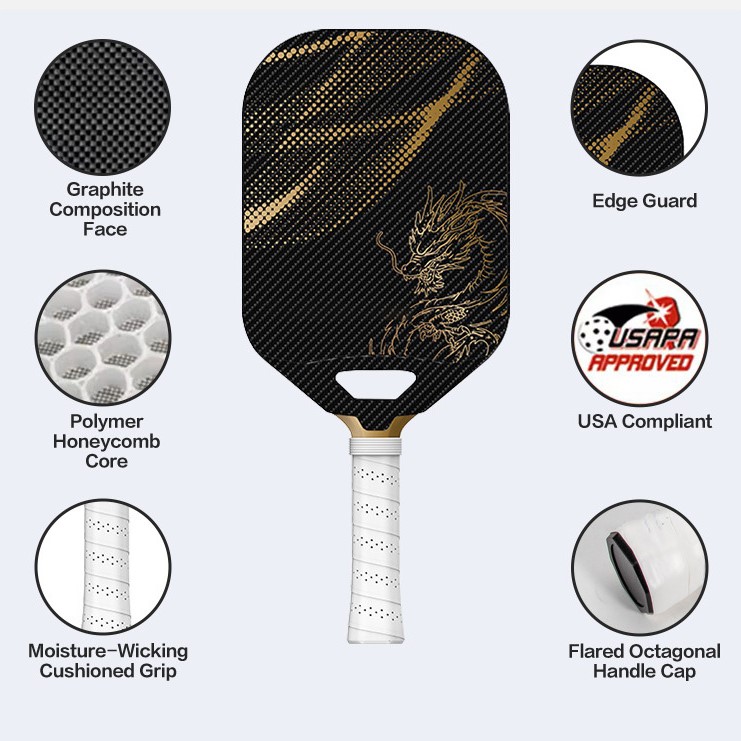
3.1 Carbon Fiber Selection for Pickleball Paddles
Carbon fiber is one of the most important materials in premium paddles.
Different carbon fiber specifications influence:
- Stiffness
- Weight
- Vibration response
- Ball control
Common carbon fiber options include:
- 3K carbon fiber
- T700 carbon fiber
- Raw carbon fiber surfaces
3.1.1 Premium Carbon Fiber vs Lower-Cost Carbon Fiber
Higher-quality carbon fiber generally provides:
- Better consistency
- Higher strength
- More stable performance
Lower-cost materials may have:
- Greater thickness variation
- Less predictable stiffness
- Higher production fluctuation
However, the correct material depends on:
- Paddle positioning
- Target players
- Price range
A beginner paddle does not necessarily require the same material specification as a professional tournament paddle.
4. Pickleball Paddle Core Materials and Their Influence on Performance
The internal core plays a critical role.
Common core materials include:
- Polymer honeycomb
- PP honeycomb
- Aluminum honeycomb
The core affects:
- Power
- Control
- Sound
- Vibration
- Durability
4.1 Why Core Quality Matters Even for Small MOQ Orders
Some buyers believe:
“Small orders can only use basic cores.”
This is incorrect.
The real consideration is:
- Availability
- Cost structure
- Product positioning
A professional pickleball equipment manufacturer can often provide the same core options across different order quantities.
4.2 Honeycomb Density and Consistency
Core density affects:
- Paddle weight
- Sweet spot
- Stability
Poor-quality cores may create:
- Uneven rebound
- Dead spots
- Different paddle feel
POM controls:
- Core supplier qualification
- Density inspection
- Production consistency
to ensure stable performance.
5. Manufacturing Process Differences Between Small and Large MOQ Pickleball Paddle Orders
The manufacturing process has a greater impact on quality than MOQ itself.
Important processes include:
- Lamination
- Compression molding
- Thermoforming
- Foam injection
- Edge sealing
- Grip installation
5.1 Thermoforming Process Control
Modern pickleball paddles increasingly use thermoforming technology.
This process requires precise control of:
- Temperature
- Pressure
- Heating time
- Cooling process
Small variations may affect:
- Paddle stiffness
- Weight
- Swing feel
A professional factory maintains process standards regardless of order quantity.
5.2 Quality Standards Should Not Change With MOQ
Whether producing:
50 units
or
50,000 units
the factory should maintain:
- Material inspection
- Production monitoring
- Final QC testing
At POM, our philosophy is:
MOQ determines production planning, not quality standards.
6. How Professional Pickleball Paddle Factories Manage Materials for Different MOQ Orders
One of the biggest concerns from new pickleball brands is:
“If I only order 50 or 100 pickleball paddles, will my factory use lower-grade materials compared with large brands ordering thousands of units?”
The answer depends on the manufacturer’s material management system.
A professional pickleball paddle factory does not classify materials according to customer order size.
Instead, materials are managed according to:
- Product specification
- Engineering requirements
- Quality standards
- Production planning
A reliable factory should have a structured material control system including:
- Qualified supplier selection
- Incoming material inspection
- Batch tracking
- Storage management
- Production verification
At POM, we believe every customer deserves stable quality, whether they are:
- A startup pickleball brand testing the market
- An established sports company expanding product lines
- A distributor launching private-label products
MOQ affects production efficiency, but it should never determine whether a product meets quality expectations.
7. Pickleball Paddle Material Inventory: How Factories Balance Stock and Customization
Material inventory is one reason why different factories have different MOQ policies.
A professional pickleball equipment manufacturer usually manages two types of materials:
7.1 Standard Production Materials
These are commonly used materials such as:
- Carbon fiber sheets
- Fiberglass sheets
- Polymer honeycomb cores
- Edge guards
- Grip materials
Because these materials are used across multiple projects, factories can often support lower MOQ orders.
For example:
A new customer may order:
- 100 carbon fiber pickleball paddles
The factory may already have qualified carbon fiber material inventory available.
This allows efficient production without sacrificing quality.
7.2 Exclusive Custom Materials
Some brands request highly customized specifications:
- Special carbon fiber weave
- Unique surface texture
- Exclusive colors
- Custom decorative layers
These materials may require:
- Larger purchase quantities
- Longer supplier lead times
- Higher development investment
This is where MOQ becomes more important.
The difference is not:
“Small customers receive bad materials.”
The difference is:
“Highly customized materials require different purchasing strategies.”
8. Pickleball Paddle Factory Quality Control: Why Process Management Matters More Than MOQ
Many buyers focus heavily on MOQ but overlook the most important factor:
Manufacturing process control.
A high-quality pickleball paddle is created through multiple controlled processes.
These include:
- Material cutting
- Layup preparation
- Compression molding
- Surface finishing
- Edge processing
- Handle assembly
- Final inspection
Every step influences the final performance.
8.1 Carbon Fiber Layup Control for Pickleball Paddles
Carbon fiber paddle production requires precise positioning.
Small mistakes can affect:
- Paddle stiffness
- Balance point
- Sweet spot
- Vibration characteristics
Professional manufacturers control:
- Fiber direction
- Layer quantity
- Resin distribution
- Compression pressure
A factory producing 100 paddles should follow the same engineering standards as producing 10,000 paddles.
8.2 Resin Control and Paddle Consistency
Resin is another hidden factor affecting paddle quality.
Too much resin can cause:
- Increased weight
- Reduced responsiveness
- Balance changes
Too little resin may cause:
- Weak bonding
- Structural problems
- Reduced durability
Professional pickleball paddle factories use controlled resin systems to maintain consistency.
9. Does a Low MOQ Pickleball Paddle Order Receive Lower-Level Quality Inspection?
Another common concern is:
“Will the factory inspect my 50-unit order as carefully as a 50,000-unit order?”
A professional manufacturer should not reduce inspection standards because of order quantity.
Quality inspection should include:
9.1 Appearance Inspection
Checking:
- Surface defects
- Printing quality
- Edge finishing
- Handle appearance
9.2 Weight Inspection
Important measurements include:
- Total weight
- Balance point
- Weight tolerance
This prevents inconsistent playing experiences.
9.3 Structural Performance Testing
Depending on product requirements, testing may include:
- Impact resistance
- Bonding strength
- Surface durability
- Vibration evaluation
9.4 Packaging Inspection
A premium pickleball paddle is not complete until packaging quality is verified.
Inspection includes:
- Logo accuracy
- Protection materials
- Accessories
- User instructions
10. Why Some Small MOQ Pickleball Paddle Orders Still Achieve Premium Quality
Small brands sometimes assume:
“Only large companies can receive premium manufacturing.”
This is outdated thinking.
Today, many professional manufacturers support emerging brands because the pickleball market continues expanding.
A startup brand may begin with:
- 50 prototype paddles
- 200 market test units
- 500 launch products
The goal is to verify:
- Customer feedback
- Product positioning
- Market demand
A capable pickleball paddle factory should help these brands grow.
10.1 OEM Development Flexibility
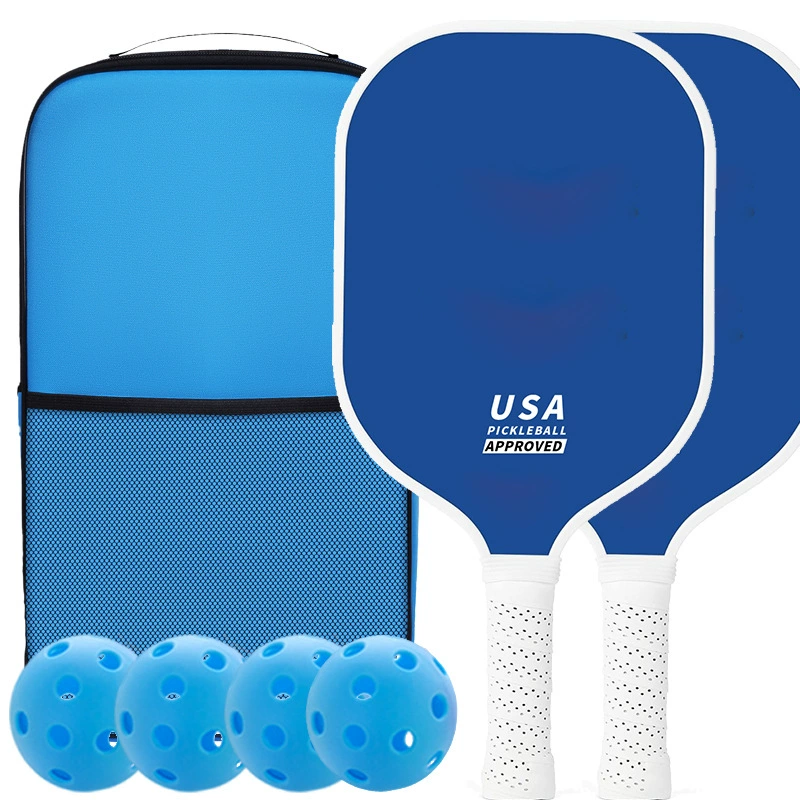
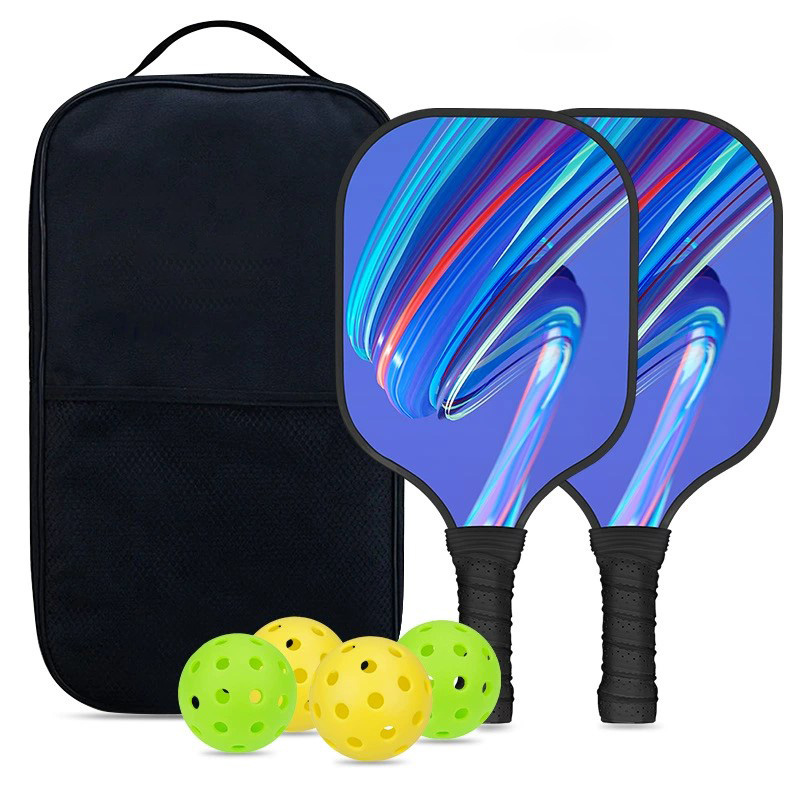
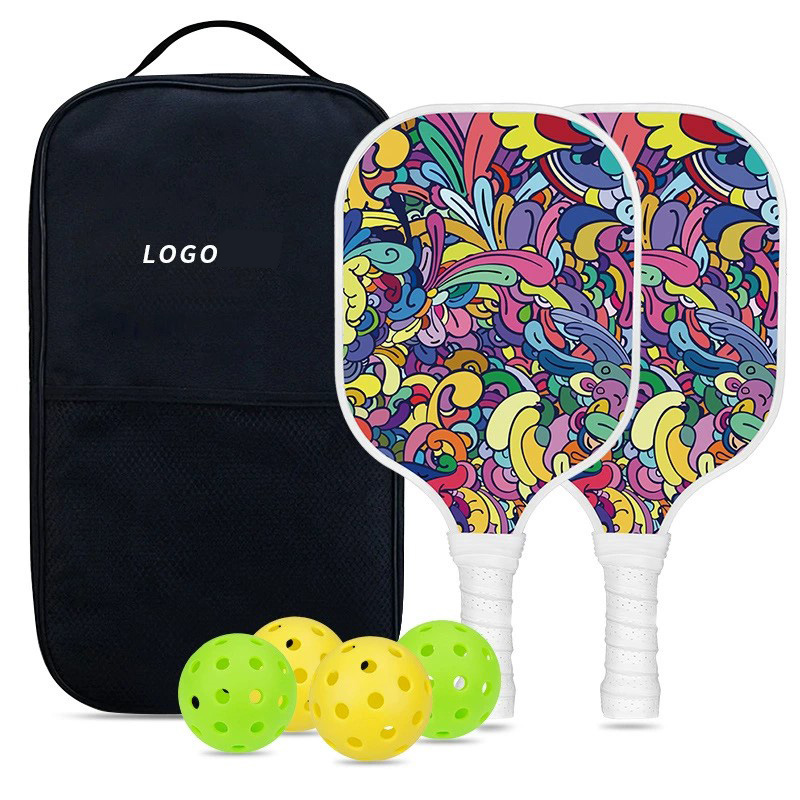
A professional manufacturer can provide:
- Existing paddle platforms
- Customized colors
- Logo printing
- Packaging design
- Performance adjustments
This allows smaller brands to enter the market without sacrificing quality.
11. How to Choose the Right Pickleball Paddle Factory: 8 Key Evaluation Criteria
Choosing a supplier is more important than choosing MOQ.
Brands should evaluate at least these eight dimensions:
11.1 Pickleball Paddle Manufacturing Experience
Experience matters because paddle manufacturing involves:
- Composite materials
- Precision assembly
- Performance balancing
A factory with years of experience understands:
- Material behavior
- Process optimization
- Common failure points
11.2 Pickleball Paddle Material Knowledge
A reliable supplier should explain:
- Why choose carbon fiber?
- When should fiberglass be used?
- How does core density affect performance?
A factory that only discusses price may lack engineering capability.
11.3 Production Capability
Important questions include:
- Does the factory control production internally?
- Are key processes outsourced?
- Can production capacity support future growth?
A supplier should support both:
- Small trial orders
- Large commercial orders
11.4 Quality Control System
Ask about:
- Incoming material inspection
- Production inspection
- Final testing procedures
Quality should be measurable, not only promised.
11.5 Customization Ability
A professional OEM partner should support:
- Custom logo
- Custom graphics
- Paddle specifications
- Packaging design
- Accessories
11.6 Engineering Support
Strong engineering support helps brands optimize:
- Weight
- Balance
- Handle design
- Surface performance
11.7 Communication and Project Management
OEM success depends on communication.
A good factory should clearly manage:
- Prototype approval
- Production timeline
- Quality feedback
- Shipment preparation
11.8 Long-Term Partnership Mindset
The best manufacturers do not only sell products.
They help brands:
- Improve designs
- Reduce production risks
- Develop new products
12. Pickleball Paddle Customization: Balancing MOQ, Cost, and Quality
A smart sourcing strategy is not simply:
“Find the lowest MOQ.”
Instead, brands should balance:
- Product quality
- Development investment
- Market demand
- Manufacturing flexibility
For example:
New Brand Strategy
Start with:
- Lower MOQ
- Existing structure
- Custom branding
Goal:
Test the market.
Growing Brand Strategy
Move toward:
- Custom molds
- Unique materials
- Exclusive designs
Goal:
Build differentiation.
Established Brand Strategy
Develop:
- Advanced technology
- Professional-level paddles
- Large-scale production
Goal:
Expand market share.
13. How POM Supports Brands of Different Sizes with Professional Pickleball Paddle Manufacturing
At POM, we understand that every brand has a different development stage.
We provide:
- Low MOQ customization
- Large-scale OEM production
- Material consulting
- Paddle engineering support
- Branding solutions
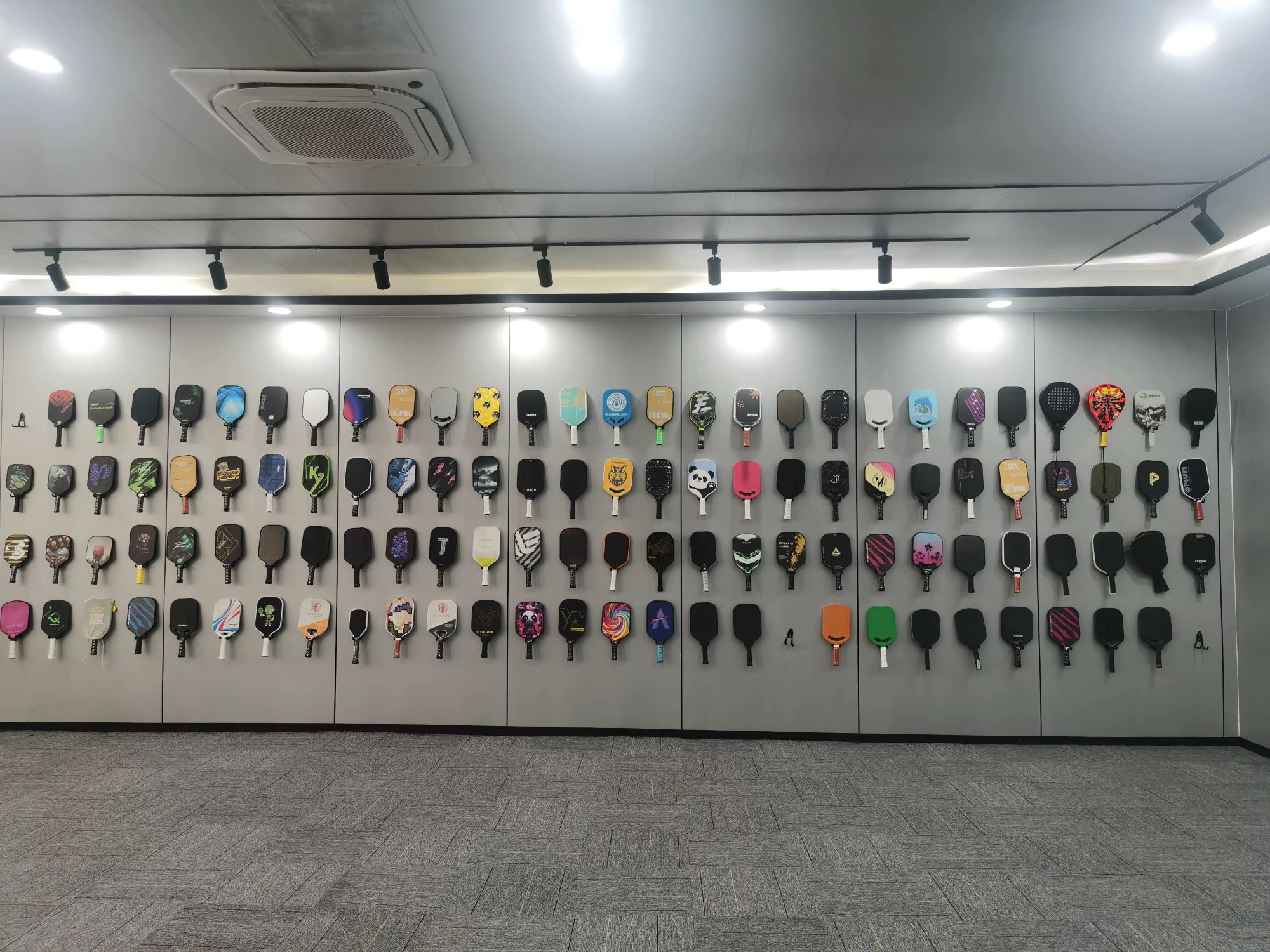
Our manufacturing capabilities include:
- Carbon fiber pickleball paddles
- Fiberglass paddles
- Thermoformed paddles
- Honeycomb core paddles
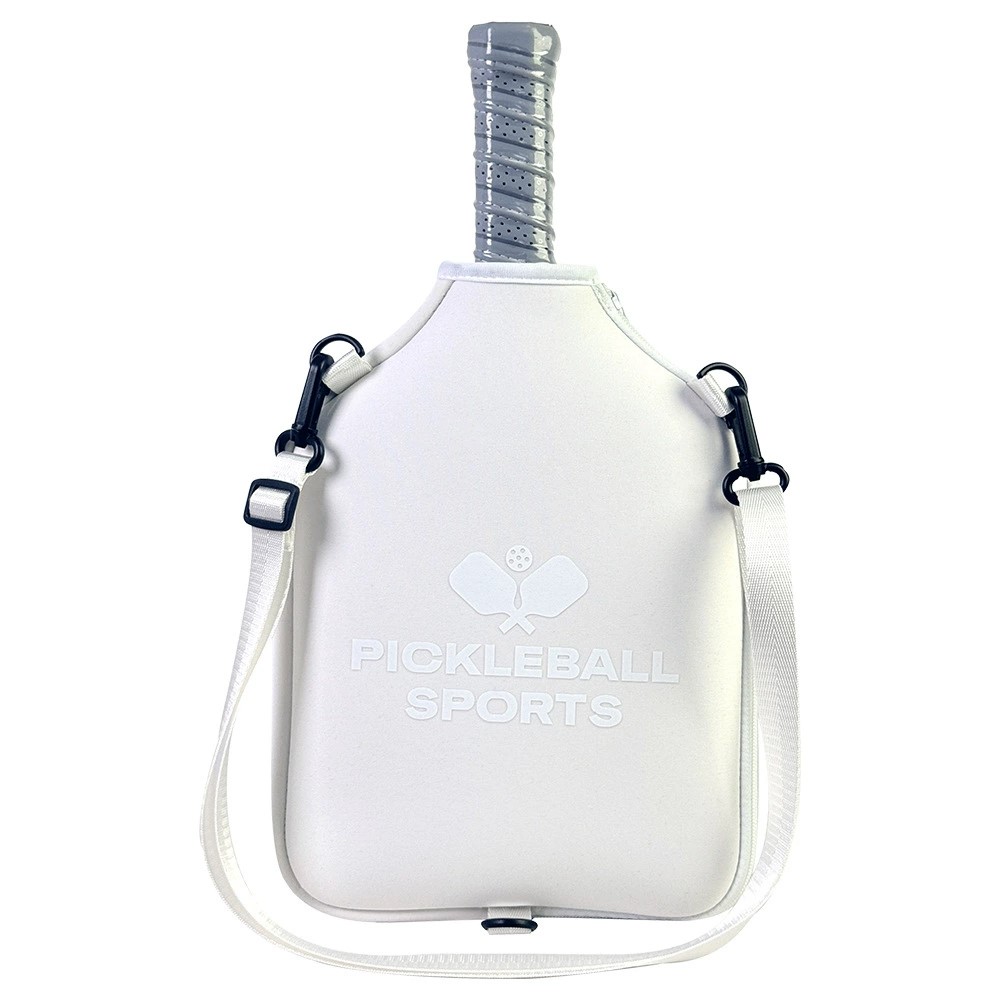
- Custom pickleball equipment

14. Why POM Is the Preferred Pickleball Equipment Manufacturer for OEM Brands
Brands choose POM because we combine:
Professional Engineering
We understand:
- Paddle structure
- Material performance
- Manufacturing processes
Flexible MOQ Solutions
We support:
- Startup brands
- Growing companies
- Established distributors
Consistent Quality Standards
Regardless of order quantity, we maintain:
- Material inspection
- Production control
- Final quality verification
Complete OEM Capability
From concept to finished product:
- Design
- Prototype
- Manufacturing
- Packaging
- Delivery
POM provides a complete solution.
MOQ Should Affect Quantity, Not Pickleball Paddle Quality
The belief that:
“Low MOQ means low-quality materials”
is not accurate.
The real difference between suppliers comes from:
- Engineering capability
- Material management
- Production control
- Quality systems
A professional pickleball paddle factory can manufacture excellent products whether the order is:
- 50 units
- 500 units
- 50,000 units
The key is choosing the right manufacturing partner.
At POM, we believe every pickleball paddle should represent reliable performance, regardless of order size.
As an experienced pickleball equipment manufacturer, we help global brands create paddles with:
- Stable materials
- Consistent performance
- Professional quality control
- Flexible OEM solutions
Because great pickleball products are not defined by MOQ.
They are defined by manufacturing standards.
We have a pickleball paddles factory of skilled engineers ready to support you in your product development journey from idea design to production.Any ideas about your product you can contact us freely,and our engineers will get back to you with a quote asap. Whatsapp +86 18902611680
Who is POM?
As a leading pickleball factory, POM is committed to providing high-quality sports equipment and accessories for pickleball enthusiasts. We believe that pickleball is not only a competitive sport, but also a lifestyle.
What is your product range?
We pecialize in the design and production of high quality pickleball equipments,such as pickleball paddles,pickleball balls,pickleball nets,pickleball accessories…
Are you a manufacturer or a trader?
Can you provide samples?
•Of course, usually we will provide samples for your testing. For custom printed samples, pls send your requirements to us for checking the sample cost.
• It takes about 7 days for sample production.
Can I have my custom logo , design or size?
Sure. We can do any packaging with your design. You can still have your own logo.