

Understanding the Real Cost Behind Custom Pickleball Paddle Molds
In today’s rapidly growing pickleball market, more brands are looking beyond standard products and searching for customized pickleball paddle designs that can create unique market positioning.
A custom paddle shape can help a brand achieve:
- Stronger product differentiation
- Better brand recognition
- Improved player experience
- Competitive advantages in crowded markets
However, when brands request a unique pickleball paddle design from different manufacturers, they often encounter a confusing situation:
One factory quotes:
“Custom mold fee: USD $2,000”
Another factory quotes:
“Custom mold fee: USD $5,000 or more”
Why is there such a large difference?
Are expensive molds overpriced?
Are cheaper molds lower quality?
What exactly is included in a pickleball paddle mold cost?
These are common questions from brands entering OEM paddle manufacturing.
The answer is that a mold fee is not simply the cost of creating a metal shape. It represents a combination of:
- Engineering development
- Mold design complexity
- Material selection
- Precision machining
- Testing procedures
- Prototype development
- Manufacturing risk management
At POM, as a professional pickleball paddle factory and experienced pickleball equipment manufacturer, we work with global brands to develop customized paddles, pickleball products, portable nets, and complete equipment solutions.
Through years of OEM experience, we understand that choosing a mold supplier is not only about comparing prices.
The real question is:
Are you paying only for a mold, or are you investing in a reliable paddle development system?
This article explains the hidden factors behind custom pickleball paddle mold pricing and how brands can select the right manufacturing partner.
1. Pickleball Paddle Mold Cost: The Mold Is More Than Just a Metal Tool
Many customers initially assume:
“A mold is just a shape. Why should it cost thousands of dollars?”
This misunderstanding comes from viewing the mold as a simple physical object.
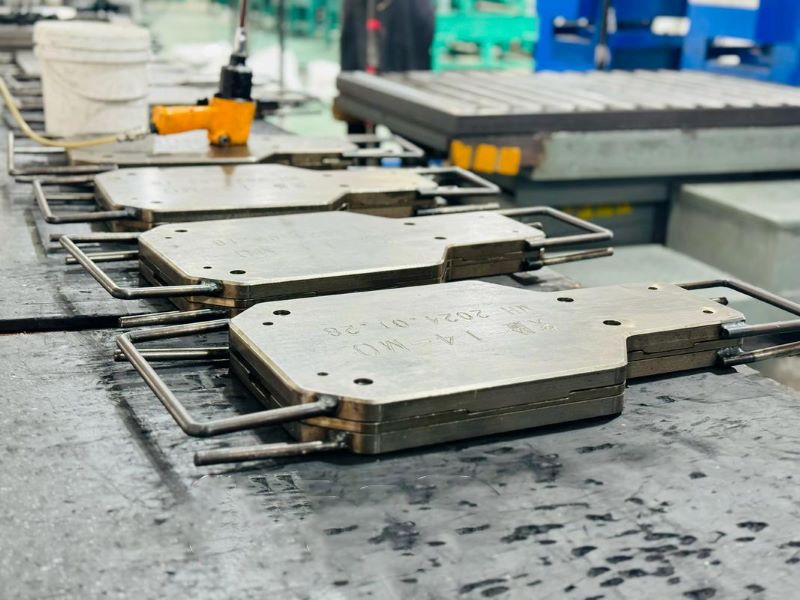
In reality, a professional pickleball paddle mold is an engineered production system.
A high-quality paddle mold must control:
- Paddle outline dimensions
- Edge thickness
- Core compression
- Surface flatness
- Weight distribution
- Structural consistency
A poorly designed mold may create problems such as:
- Uneven paddle thickness
- Inconsistent weight
- Edge deformation
- Poor bonding between layers
- Different performance between batches
For premium pickleball paddles, mold precision directly affects final product quality.
2. Why Different Pickleball Paddle Factories Quote Different Mold Prices
When comparing quotes from different suppliers, brands often notice large differences.
The reason is that every pickleball paddle factory calculates mold investment differently.
Several factors influence pricing:
2.1 Mold Design Capability
A professional mold requires advanced engineering before machining begins.
Engineers need to analyze:
- Paddle geometry
- Pressure distribution
- Carbon fiber layup requirements
- Thermoforming behavior
- Edge structure
- Balance requirements
A factory with stronger engineering capability invests more time in:
- 3D modeling
- Simulation analysis
- Prototype optimization
These engineering hours are included in the mold cost.
2.2 Mold Material Selection
Not all molds use the same materials.
Common mold materials include:
- Aluminum alloys
- Hardened steel
- Special tooling materials
The selection depends on:
- Expected production quantity
- Manufacturing process
- Required precision
- Mold lifespan requirements
For example:
A small-volume paddle project may use a lower-cost mold solution.
A professional brand expecting tens of thousands of units may require:
- Higher durability
- Better thermal stability
- More precise machining
The mold investment increases accordingly.
3. Pickleball Paddle Shape Complexity and Its Impact on Mold Fees
A major factor influencing mold cost is paddle shape complexity.
A simple traditional paddle shape requires:
- Basic outline machining
- Standard edge structure
- Limited surface features
However, a unique premium pickleball paddle design may include:
- Special aerodynamic edges
- Extended handles
- Custom throat structures
- Unique curves
- Integrated edge reinforcement
Every additional design element increases:
- CAD engineering time
- CNC machining difficulty
- Testing requirements
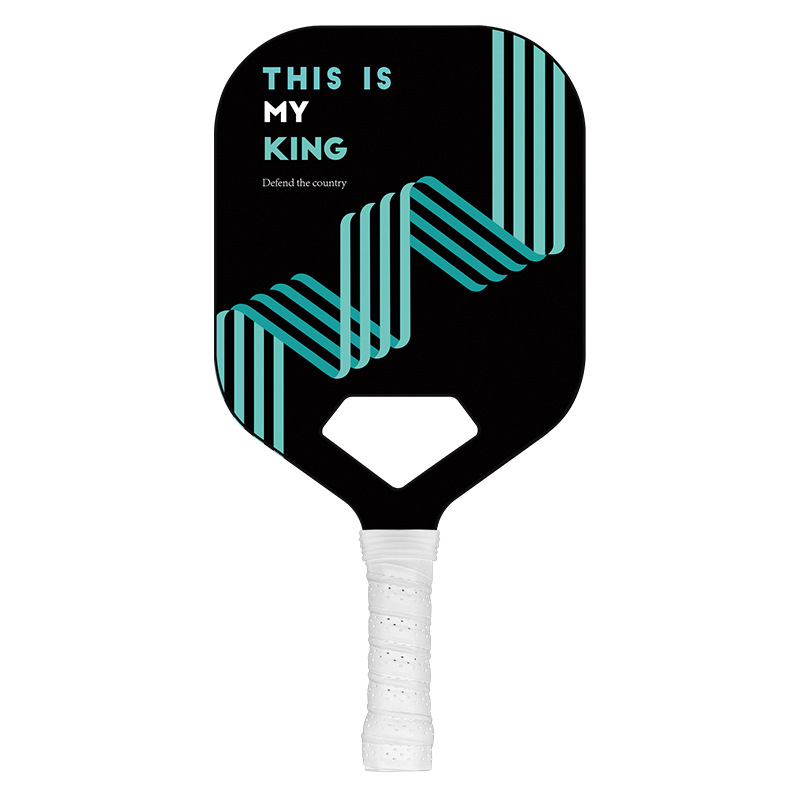
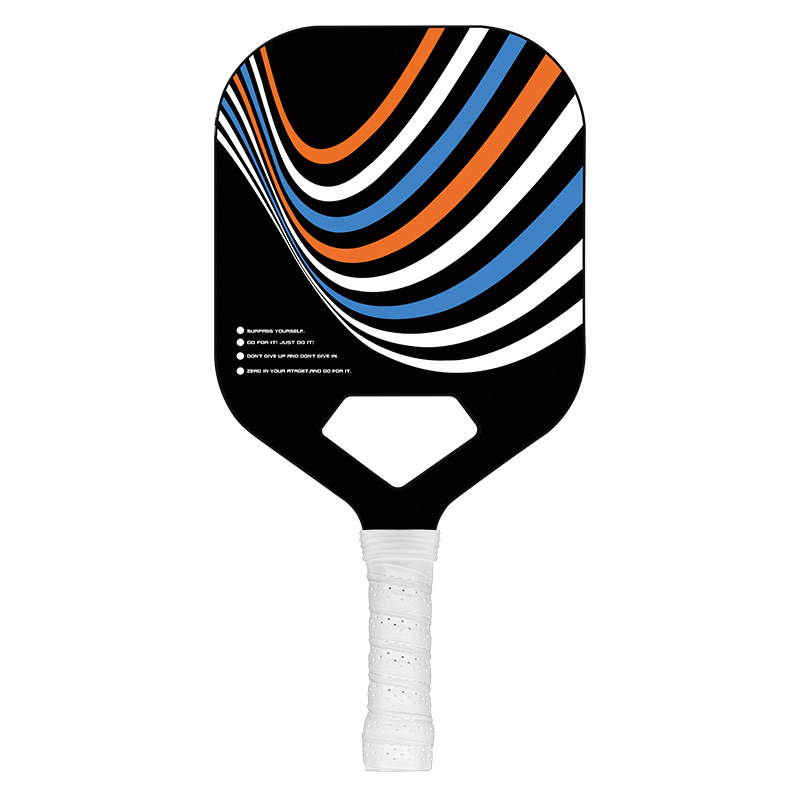
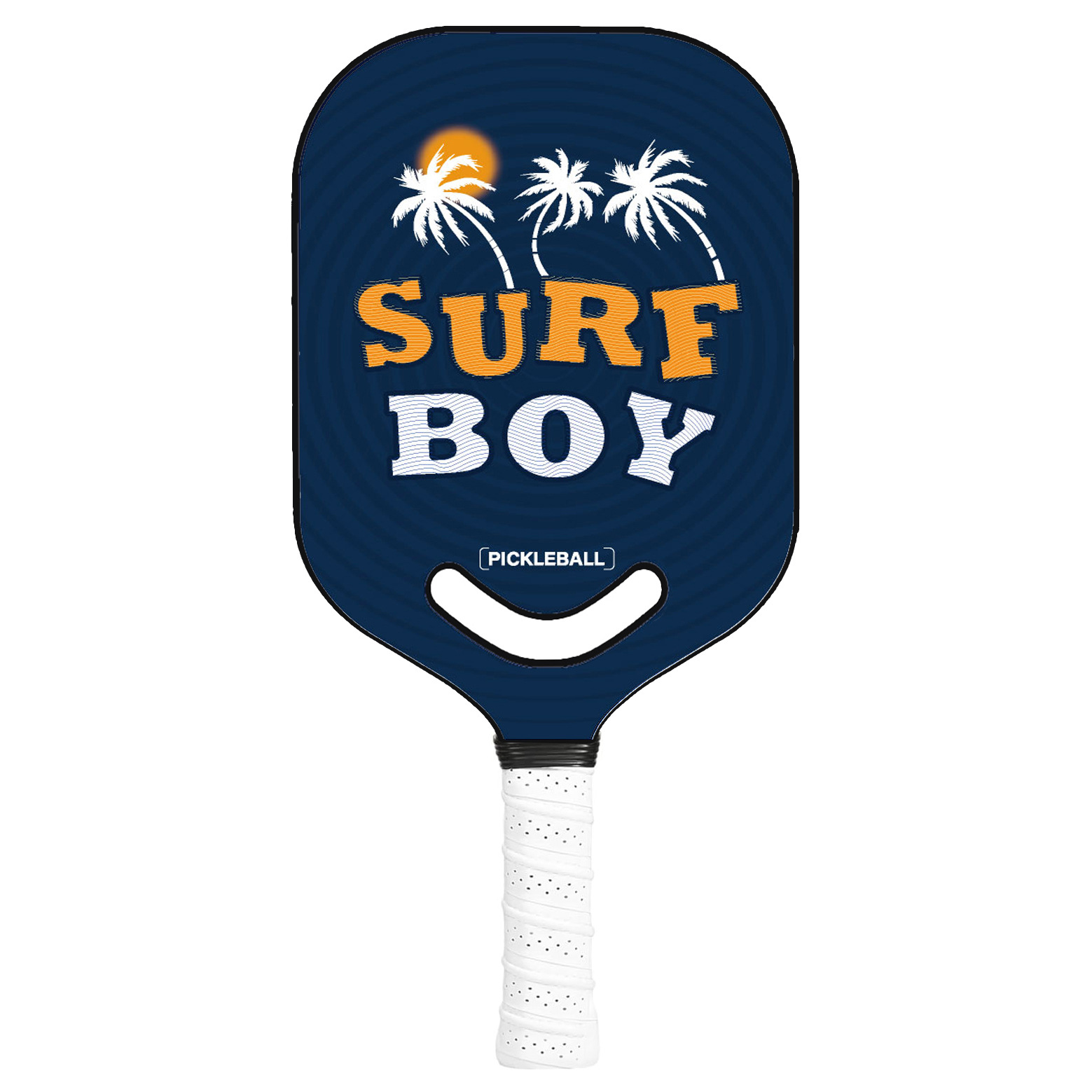
3.1 Standard Shape vs Custom Shape Mold Cost
A standard paddle:
- Uses existing tooling
- Requires limited engineering
- Has lower development cost
A fully customized paddle:
- Requires new engineering
- Needs dedicated tooling
- Requires prototype testing
Therefore, a $2,000 mold and a $5,000 mold may actually represent completely different development levels.

4. CNC Machining Precision in Pickleball Paddle Mold Manufacturing
One of the biggest differences between low-cost and premium molds is machining accuracy.
Modern pickleball paddles require extremely precise dimensions because even small variations affect:
- Paddle balance
- Swing weight
- Sweet spot performance
- Structural strength
Professional mold manufacturing involves:
- CNC machining
- Surface polishing
- Dimensional inspection
- Heat treatment control
Higher precision means:
- Better repeatability
- Lower production variation
- Longer mold lifespan
4.1 Why Cheap Mold Manufacturing Can Create Hidden Costs
A cheaper mold may reduce initial investment but create future problems:
- More rejected products
- Frequent mold adjustments
- Unstable production quality
- Higher maintenance costs
For brands planning long-term paddle sales, the cheapest mold is not always the lowest-cost solution.
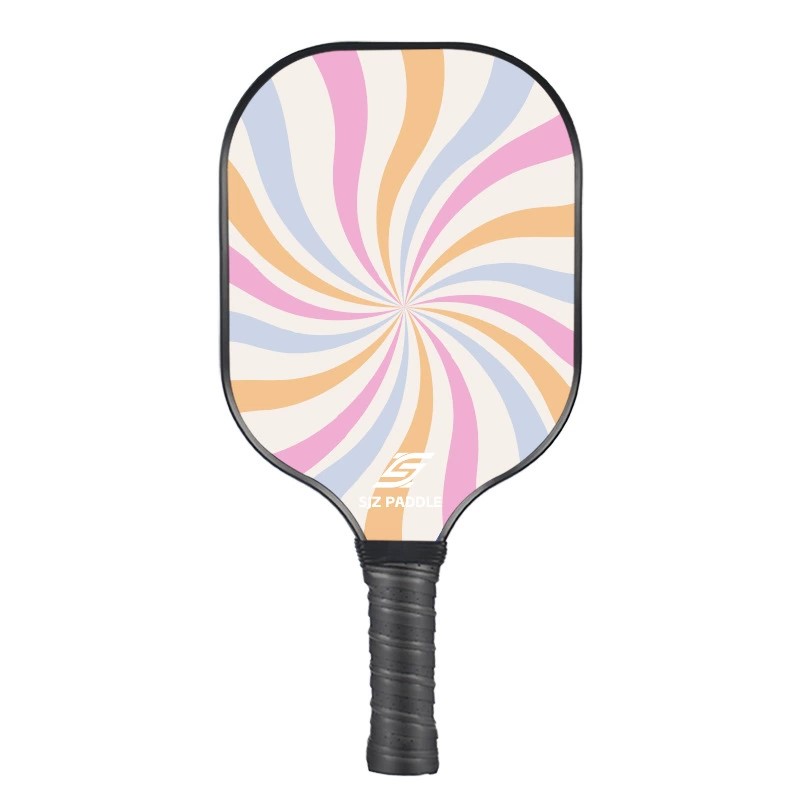
5. Pickleball Paddle Prototype Development: The Hidden Cost Many Brands Ignore
A professional pickleball equipment manufacturer does not simply create a mold and immediately start mass production.
A reliable development process usually includes:
Step 1: Product Concept
The brand defines:
- Shape
- Performance goals
- Target players
- Price positioning
Step 2: Engineering Design
The factory develops:
- 3D drawings
- Structural solutions
- Material combinations
Step 3: Prototype Mold Testing
Initial samples are produced to verify:
- Weight
- Balance
- Stiffness
- Feel
- Durability
Step 4: Mold Optimization
Engineers adjust:
- Thickness
- Edge design
- Compression parameters
This development process requires experience.
A lower mold quotation may exclude some engineering services, while a higher quotation may include:
- Multiple prototype rounds
- Engineering adjustments
- Production optimization
Brands should always compare the complete development package, not only the mold fee.
6. Pickleball Paddle Material Selection: Why Materials Influence Mold Cost and Product Performance
When developing a customized pickleball paddle, many brands focus only on the external shape.
However, professional manufacturers understand that the mold design must match the selected materials.
A pickleball paddle is a composite product made from multiple layers, including:
- Carbon fiber or fiberglass face sheets
- Polymer honeycomb core
- Foam-injected edge structure
- Adhesive systems
- Surface coating
- Handle components
Different material combinations create different manufacturing requirements.
A mold designed for one material system may not perform well with another.
This is one reason why mold quotations vary significantly between suppliers.
A professional pickleball paddle factory does not simply create a shape.
It develops a complete manufacturing solution.
6.1 Carbon Fiber Pickleball Paddle Mold Requirements
Carbon fiber has become the preferred material for premium pickleball paddles because of its:
- High stiffness-to-weight ratio
- Excellent strength
- Professional appearance
- Stable performance
However, carbon fiber manufacturing requires precise control.
The mold must consider:
- Carbon fiber thickness
- Layer arrangement
- Resin flow
- Compression pressure
- Thermal expansion
A premium carbon fiber pickleball paddle mold requires higher precision because small dimensional changes can influence:
- Paddle weight
- Balance point
- Sweet spot
- Vibration feedback
6.2 Fiberglass Pickleball Paddle Mold Considerations
Fiberglass paddles are popular in:
- Beginner markets
- Recreational products
- Cost-effective product lines
Compared with carbon fiber, fiberglass has:
- More flexibility
- Different rebound characteristics
- Different forming behavior
The mold design must account for:
- Surface compression
- Material thickness
- Edge bonding
A professional manufacturer chooses mold specifications based on the product goal, not simply the lowest tooling cost.
6.3 Honeycomb Core Selection and Mold Compatibility
The internal core is one of the most important components of a modern pickleball paddle.
Common core materials include:
- PP honeycomb
- Polymer honeycomb
- Aluminum honeycomb
Core differences affect:
- Power
- Control
- Noise
- Vibration
- Durability
The mold must maintain:
- Correct cavity dimensions
- Uniform pressure distribution
- Stable bonding conditions
A low-quality mold may create:
- Uneven compression
- Core deformation
- Inconsistent paddle performance
7. Thermoformed Pickleball Paddle Manufacturing: Why Process Technology Changes Mold Investment
Thermoforming has become one of the biggest trends in premium pickleball paddle manufacturing.
Traditional paddle construction usually involves:
- Face bonding
- Core assembly
- Edge sealing
Thermoformed paddles integrate more structural elements through heat and pressure.
Advantages include:
- Larger sweet spots
- Improved stability
- Stronger edge structure
- Better power transfer
However, thermoforming requires more advanced molds.
7.1 Thermoforming Mold Precision Requirements
A thermoforming mold must control:
- Temperature distribution
- Compression force
- Cooling speed
- Material flow
Even small differences can create:
- Thickness variation
- Weight imbalance
- Surface deformation
A professional pickleball paddle factory invests in mold accuracy because production consistency depends on it.
7.2 Why Some Factories Quote Higher Thermoforming Mold Fees
A higher mold quotation may include:
- Advanced CNC machining
- Multiple test samples
- Engineering adjustments
- Production optimization
A lower quotation may only include:
- Basic tooling creation
The difference is not only the mold itself.
It is the development process behind the mold.
8. Pickleball Paddle Mold Lifespan: Understanding Long-Term Manufacturing Value
When comparing mold quotations, brands should consider:
Not only:
“How much does the mold cost?”
but also:
“How many paddles can this mold reliably produce?”
8.1 Low-Cost Mold vs Long-Life Mold
A cheaper mold may have:
- Lower material quality
- Lower machining precision
- Shorter service life
Potential problems include:
- Frequent maintenance
- Product inconsistency
- Production delays
A premium mold may provide:
- Longer lifespan
- Better dimensional stability
- Lower long-term production risk
8.2 Mold Lifespan and Production Volume Planning
For example:
A startup brand planning:
500 paddles
may have different requirements from:
An international brand planning:
100,000 paddles
A professional pickleball equipment manufacturer should recommend mold specifications based on:
- Expected production quantity
- Product positioning
- Future growth plans
9. Pickleball Paddle Mold Testing: Why Prototype Development Is Essential
A common mistake is assuming:
“Once the mold is finished, production can start immediately.”
Professional paddle development requires testing.
Prototype evaluation may include:
9.1 Weight Testing
Engineers check:
- Total paddle weight
- Weight distribution
- Swing weight
9.2 Balance Testing
Balance affects:
- Maneuverability
- Power generation
- Player comfort
9.3 Performance Testing
Testing evaluates:
- Ball response
- Vibration
- Stiffness
- Durability
9.4 Structural Testing
Engineers inspect:
- Bonding strength
- Edge durability
- Impact resistance
A professional mold development process reduces the risk of expensive production problems later.
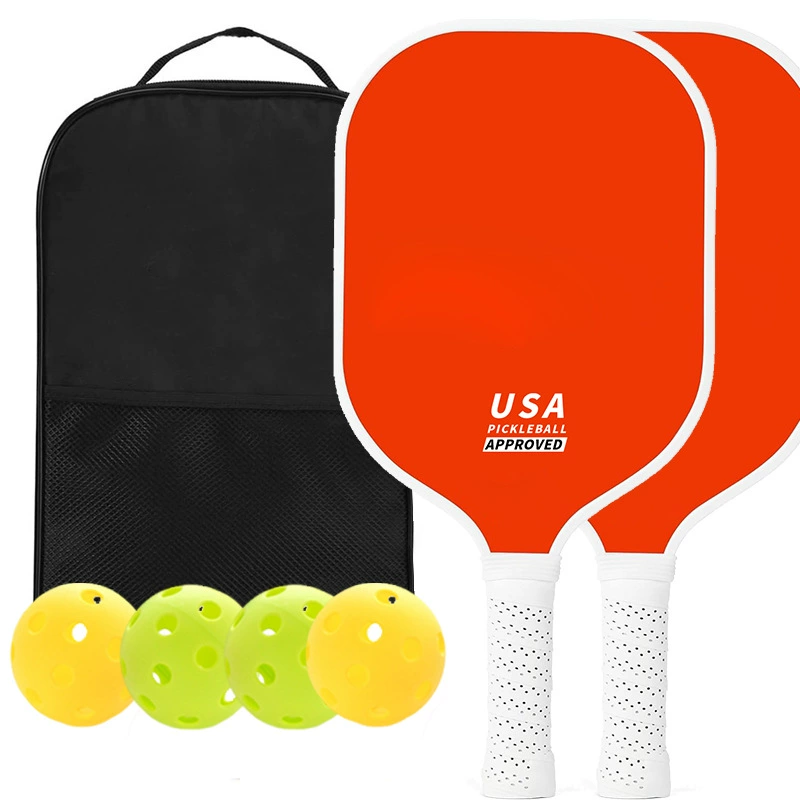
10. USAPA Considerations When Designing Custom Pickleball Paddles
For brands targeting competitive players, USAPA compliance is an important consideration.
The USA Pickleball equipment approval process evaluates whether paddles meet official requirements.
Custom paddle designs must consider:
- Paddle dimensions
- Surface characteristics
- Performance limitations
- Branding requirements
10.1 Paddle Shape Innovation vs Competition Rules
Brands often want unique designs:
- Longer handles
- Different paddle profiles
- Aerodynamic edges
However, innovation must remain within acceptable specifications.
A professional pickleball paddle factory should understand:
- Product creativity
- Manufacturing feasibility
- Tournament requirements
10.2 Surface Technology and Pickleball Paddle Compliance
Modern paddle surfaces may include:
- Carbon fiber texture
- Coatings
- Printing technology
However, surface treatments must avoid creating unintended effects such as:
- Excessive spin enhancement
- Unapproved texture changes
This is why experienced manufacturers evaluate both:
- Performance goals
- Compliance requirements
11. Why Two Pickleball Paddle Factories Quote Different Mold Prices
When comparing suppliers, brands should understand that mold quotations may include different services.
A $2,000 quotation may include:
- Basic mold production
- Limited testing
- Simple shape design
A $5,000 quotation may include:
- Engineering design
- Multiple prototypes
- Precision machining
- Performance optimization
- Production support
Therefore, comparing only the final number can be misleading.
The correct comparison is:
What value does the mold investment provide?
12. How Brands Should Evaluate a Pickleball Paddle Factory Before Paying Mold Fees
Before selecting a manufacturing partner, brands should evaluate:
12.1 Engineering Capability
Does the factory have:
- Experienced engineers?
- 3D design capability?
- Material knowledge?
12.2 Manufacturing Experience
Does the factory understand:
- Carbon fiber production?
- Thermoforming?
- Foam injection?
- Quality control?
12.3 Prototype Development Ability
Can the factory:
- Produce samples?
- Adjust designs?
- Solve performance issues?
12.4 Quality Management
Does the factory control:
- Material inspection?
- Production consistency?
- Final testing?
13. Why POM Is the Preferred Pickleball Paddle Manufacturing Partner
At POM, we understand that a successful pickleball paddle is not created by a mold alone.
It requires:
- Engineering expertise
- Material knowledge
- Manufacturing experience
- Quality control systems
As a professional pickleball paddle factory, POM provides:
13.1 Complete OEM Development Services
Including:
- Paddle design support
- Custom mold development
- Material selection
- Prototype testing
13.2 Advanced Manufacturing Capability
We support:
- Carbon fiber paddles
- Fiberglass paddles
- Thermoformed paddles
- Custom paddle structures
13.3 Flexible Solutions for Different Brands
Whether customers need:
- Small market testing orders
- Large-scale production
- Premium professional paddles
POM provides suitable manufacturing solutions.
A Pickleball Paddle Mold Is an Investment, Not Just a Cost
When one factory quotes:
$2,000
and another quotes:
$5,000
the difference is rarely just the metal mold.
The real difference may include:
- Engineering expertise
- Material understanding
- Manufacturing precision
- Prototype development
- Quality assurance
For brands developing customized pickleball paddles, choosing the right manufacturing partner is more important than choosing the lowest mold price.
At POM, we combine:
- Professional engineering
- Advanced manufacturing technology
- OEM experience
- Quality-focused production
to help brands create competitive pickleball products.
Because a great pickleball paddle starts long before production.
It starts with the right design, the right mold, and the right manufacturing partner.
We have a pickleball paddles factory of skilled engineers ready to support you in your product development journey from idea design to production.Any ideas about your product you can contact us freely,and our engineers will get back to you with a quote asap. Whatsapp +86 18902611680
Who is POM?
As a leading pickleball factory, POM is committed to providing high-quality sports equipment and accessories for pickleball enthusiasts. We believe that pickleball is not only a competitive sport, but also a lifestyle.
What is your product range?
We pecialize in the design and production of high quality pickleball equipments,such as pickleball paddles,pickleball balls,pickleball nets,pickleball accessories…
Are you a manufacturer or a trader?
Can you provide samples?
•Of course, usually we will provide samples for your testing. For custom printed samples, pls send your requirements to us for checking the sample cost.
• It takes about 7 days for sample production.
Can I have my custom logo , design or size?
Sure. We can do any packaging with your design. You can still have your own logo.