

Introduction: Why Thermoformed Pickleball Paddles Became the Industry Standard
Over the past several years, thermoformed pickleball paddles have transformed the global pickleball industry. From amateur clubs to professional tournaments, thermoforming technology is now widely associated with:
- Higher paddle durability
- Increased structural stability
- More explosive power (“pop”)
- Expanded sweet spots
- Improved edge reinforcement
However, as thermoformed pickleball paddles became more popular, a major engineering challenge emerged:
How do manufacturers control excessive stiffness and vibration without sacrificing performance?
Many early thermoformed paddles delivered impressive power, but players quickly began reporting:
- Harsh impact feel
- Excessive vibration feedback
- Arm fatigue
- Reduced touch control
- Tennis elbow–like discomfort
At POM, as a professional pickleball paddle factory and pickleball equipment manufacturer, we believe thermoforming is not the final solution — it is simply the foundation. The real challenge lies in balancing:
- Power and control
- Stiffness and comfort
- Pop and stability
- Durability and arm safety
This article explores the science, engineering, and manufacturing techniques behind modern thermoformed pickleball paddles, while explaining how advanced manufacturers like POM solve the industry’s most common vibration and over-stiffness problems.
1. What Are Thermoformed Pickleball Paddles?
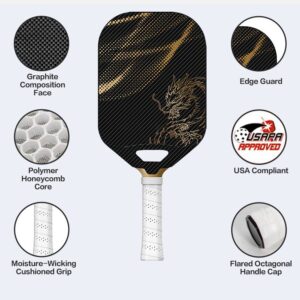
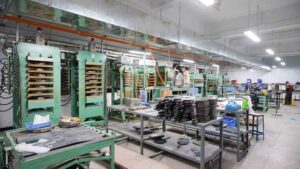
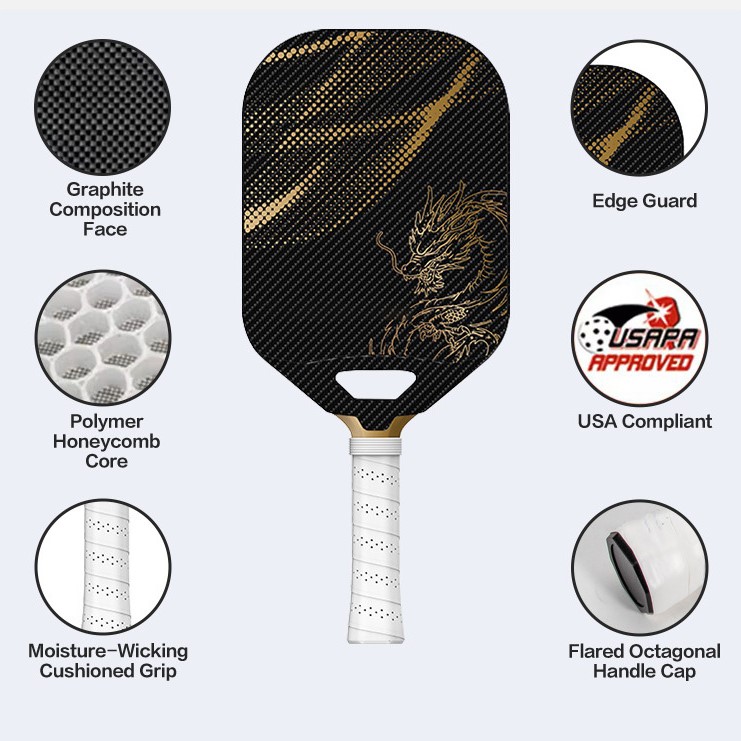
Thermoformed pickleball paddles are paddles manufactured using high-pressure heat molding processes that fuse paddle components into a unified structure.
Unlike traditional construction methods where separate layers are glued manually, thermoforming creates:
- Higher structural integration
- Stronger edge integrity
- More consistent compression
- Better long-term durability
In modern manufacturing, thermoforming often includes:
- Foam-injected edge walls
- Carbon fiber face lamination
- Polymer honeycomb cores
- Heat-compression perimeter sealing
This manufacturing evolution has significantly improved paddle performance consistency.
2. Why Thermoformed Pickleball Paddles Create More “Pop”
One reason thermoformed pickleball paddles dominate the market is their ability to generate explosive rebound energy.
The “pop” effect comes from:
- Increased structural rigidity
- More efficient energy transfer
- Reduced face deformation at impact
- Enhanced paddle rebound characteristics
Players experience:
- Faster drives
- Stronger counters
- More aggressive put-away shots
For competitive players, this can be a major advantage.
However, excessive rigidity creates new engineering challenges.
3. The Over-Stiffness Problem in Thermoformed Pickleball Paddles
As thermoformed pickleball paddles became more powerful, some manufacturers prioritized stiffness without sufficient vibration control engineering.
This creates several problems:
| Issue | Result |
|---|---|
| Excessive rigidity | Harsh impact feel |
| Poor shock absorption | Arm fatigue |
| Narrow vibration dispersion | Elbow stress |
| High rebound stiffness | Reduced touch control |
Many players describe these paddles as:
- “Too hard”
- “Pingy”
- “Unforgiving”
- “Difficult for soft game control”
This is especially problematic during:
- Extended tournament play
- Fast kitchen exchanges
- High-frequency training sessions
4. Why Vibration Control Matters in Pickleball Paddles
Every time a ball contacts a pickleball paddle, impact energy travels through:
- Paddle face
- Internal core
- Handle structure
- Player’s hand and arm
Poorly engineered thermoformed paddles transfer too much energy directly into the arm.
Over time, this may contribute to:
- Wrist fatigue
- Forearm strain
- Elbow inflammation
- Reduced player comfort
At POM, we believe the future of pickleball paddles is not just power — it is controlled performance engineering.
5. How POM Solves Thermoformed Paddle Vibration Problems
As a professional pickleball paddle factory, POM approaches thermoforming differently.
Instead of maximizing stiffness alone, we optimize:
- Energy transfer efficiency
- Shock dispersion
- Flex balance
- Structural harmony
Our solution focuses on multi-layer vibration management.
5.1 Multi-Density Honeycomb Core Engineering
Traditional thermoformed pickleball paddles often use uniform-density polymer cores.
POM uses:
- Variable-density honeycomb zones
- Reinforced compression channels
- Controlled flex regions
This allows the paddle to:
- Absorb harsh vibration
- Maintain responsive power
- Improve touch consistency
The result is a more stable impact experience.
5.2 Foam-Injected Edge Technology
Modern thermoformed paddles frequently include foam edge walls.
However, not all foam systems perform equally.
POM engineers carefully tune:
- Foam density
- Expansion pressure
- Compression resilience
Proper foam integration helps:
- Expand the sweet spot
- Reduce perimeter vibration
- Improve torsional stability
This creates a smoother feel without sacrificing responsiveness.
6. Carbon Fiber Material Selection in Pickleball Paddles
Material selection is critical in thermoformed paddle engineering.
Not all carbon fiber behaves the same.
6.1 Raw Carbon Fiber vs Fiberglass
Raw Carbon Fiber
Advantages:
- Better spin potential
- Crisp feedback
- Structural strength
Challenges:
- Can feel stiff if poorly integrated
Fiberglass
Advantages:
- Softer feel
- More forgiving response
Challenges:
- Reduced structural precision over time
POM balances these materials carefully depending on:
- Player level
- Intended paddle profile
- Power-control ratio goals
6.2 Carbon Layer Orientation
An advanced pickleball equipment manufacturer must also consider fiber direction.
Carbon weave orientation affects:
- Flex behavior
- Torsional stability
- Vibration pathways
At POM, paddle layup engineering is optimized through repeated testing and simulation.

7. Core Thickness and Its Effect on Pickleball Paddle Feel
Core thickness significantly changes paddle performance.
| Core Thickness | Typical Performance |
|---|---|
| 13mm–14mm | Faster pop, more power |
| 16mm | Better control and stability |
| Hybrid structures | Balanced performance |
Many players incorrectly assume:
“More power is always better.”
In reality, excessive rebound can reduce:
- Dink precision
- Reset consistency
- Kitchen control
POM develops thermoformed pickleball paddles with carefully tuned thickness profiles to balance:
- Offensive speed
- Defensive softness
- Comfort
8. Handle Construction: The Hidden Factor in Vibration Reduction
Many manufacturers focus only on paddle faces.
But handle engineering is equally important.
Poor handle construction allows vibration to:
- Travel directly into the wrist
- Amplify impact harshness
- Increase fatigue during long sessions
POM improves handle feel through:
- Internal dampening structures
- Optimized grip geometry
- Shock-absorbing bonding systems
This creates a more connected and comfortable player experience.
9. Surface Texture Engineering in Thermoformed Pickleball Paddles
Modern players demand:
- Spin generation
- Controlled roll shots
- Aggressive topspin serves
However, overly rough surfaces can create:
- Inconsistent feel
- Harsh contact sensation
- Faster wear patterns
POM engineers paddle surfaces to balance:
- Spin efficiency
- Durability
- Impact comfort
This is a critical part of advanced pickleball paddle manufacturing.
10. Manufacturing Precision: Why Quality Control Matters
Even excellent designs fail without precision manufacturing.
At POM, production consistency includes:
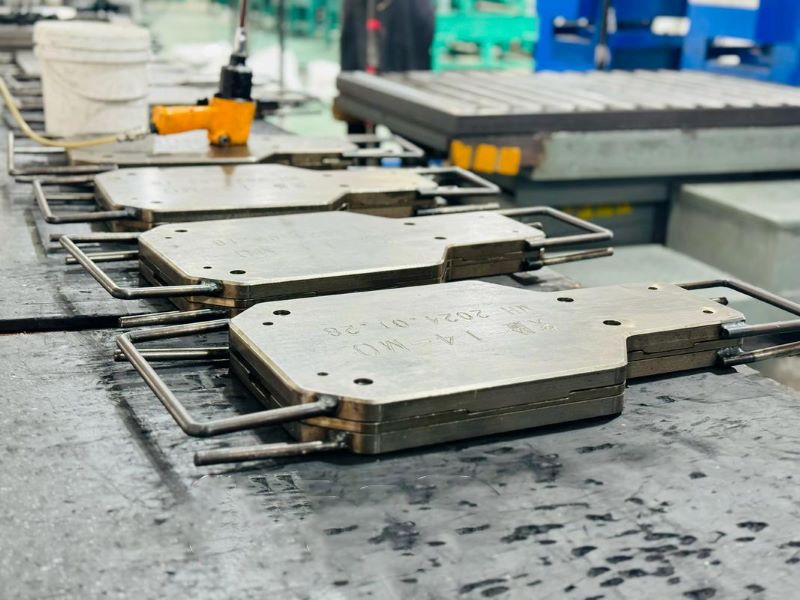
- Compression-pressure monitoring
- Heat-cycle control
- Carbon layer alignment inspection
- Core density verification
- Balance calibration testing
Small inconsistencies create:
- Dead spots
- Uneven vibration behavior
- Structural instability
As a trusted pickleball paddle factory, we prioritize repeatable engineering precision.
11. How Players Should Choose Thermoformed Pickleball Paddles
Not every thermoformed paddle suits every player.
11.1 Beginners
Best choice:
- Softer feel
- Larger sweet spot
- Reduced vibration
Avoid:
- Extremely stiff power paddles
11.2 Intermediate Players
Look for:
- Balanced pop and control
- Stable sweet spot
- Comfortable handle feel
11.3 Competitive Players
Advanced players may prefer:
- Faster rebound
- Controlled stiffness
- Higher spin capability
But even professionals increasingly prioritize vibration management.
12. Why Over-Powered Pickleball Paddles Are Not Always Better
The industry initially focused heavily on power.
But modern competitive pickleball emphasizes:
- Dinking precision
- Reset control
- Hands battle consistency
- Touch transitions
Excessively stiff paddles often hurt these areas.
The future of pickleball paddles is not maximum pop —
it is optimized controllable power.
13. The Future of Thermoformed Pickleball Paddles
The next generation of thermoformed pickleball paddles will focus on:
- Intelligent vibration tuning
- Advanced polymer chemistry
- Layered flex engineering
- Expanded sweet spots
- Arm-friendly construction
At POM, we continue investing in:
- Patent development
- Material research
- Structural simulation
- Athlete testing programs
Innovation never stops.
14. Why Brands Choose POM as Their Pickleball Paddle Factory
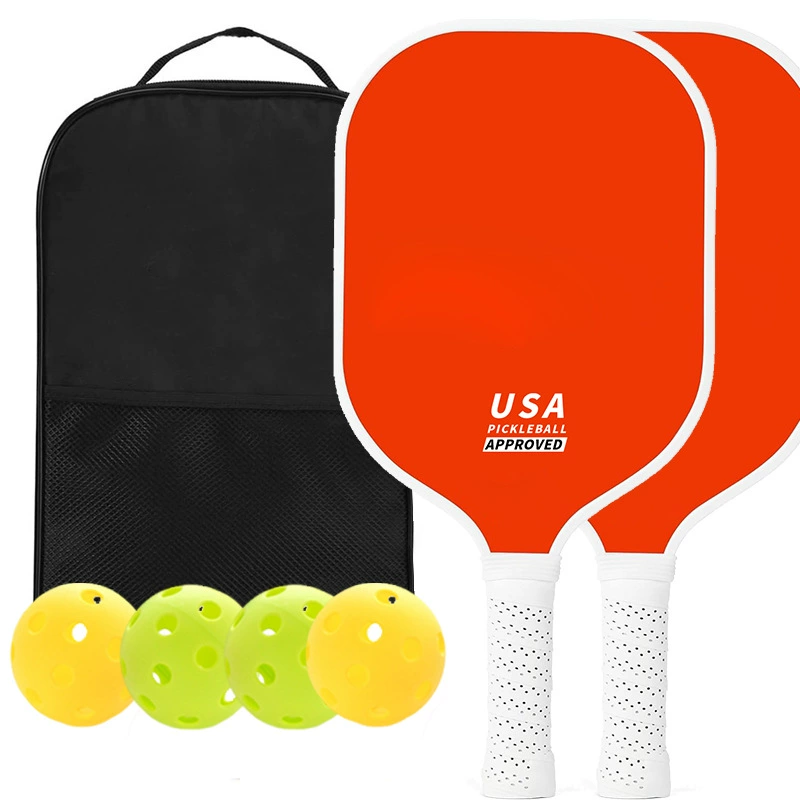
POM supports global brands through:
- OEM customization
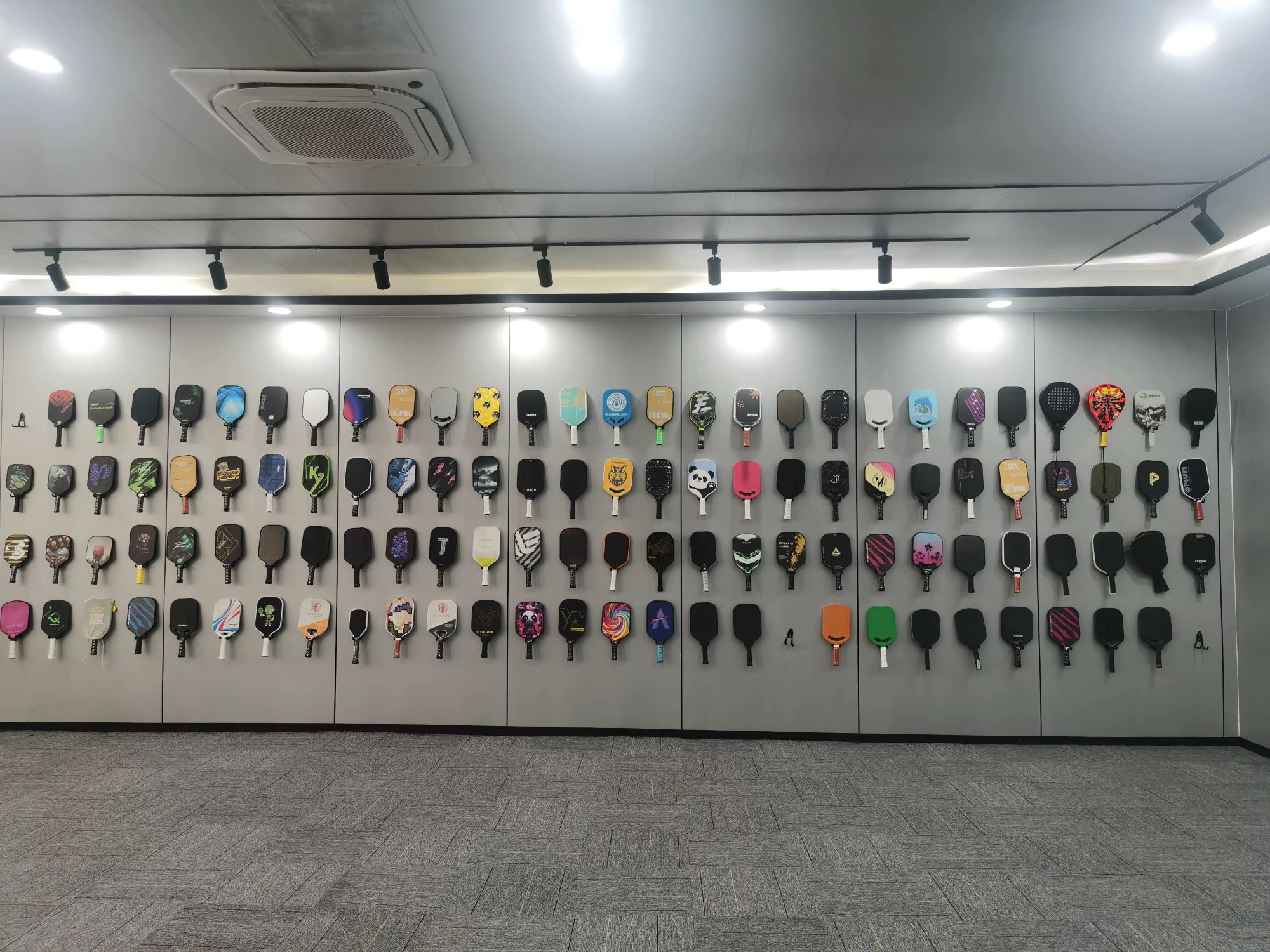
- Private-label production
- Structural R&D support
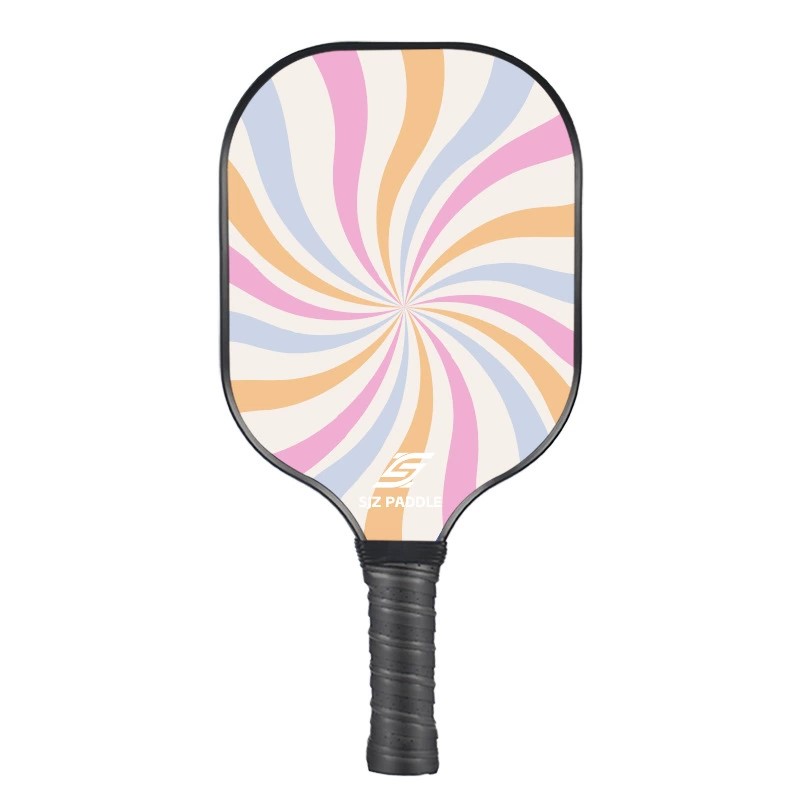
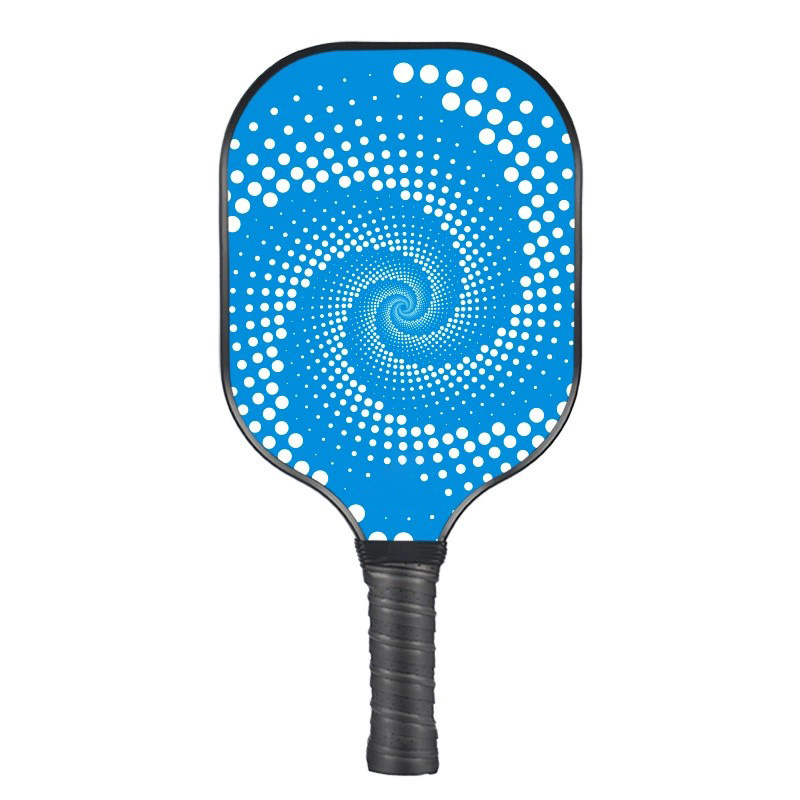
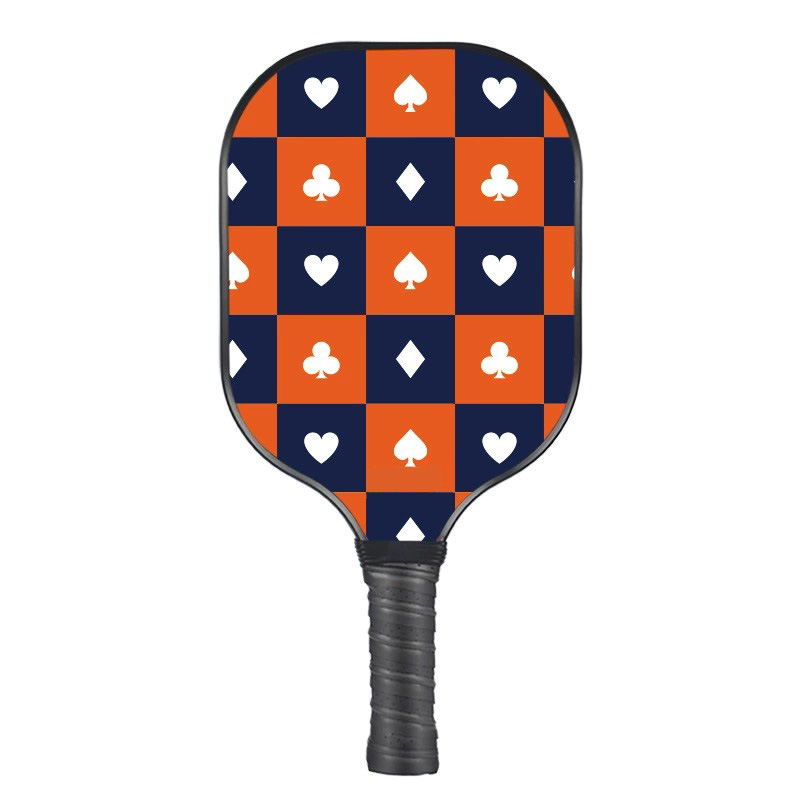
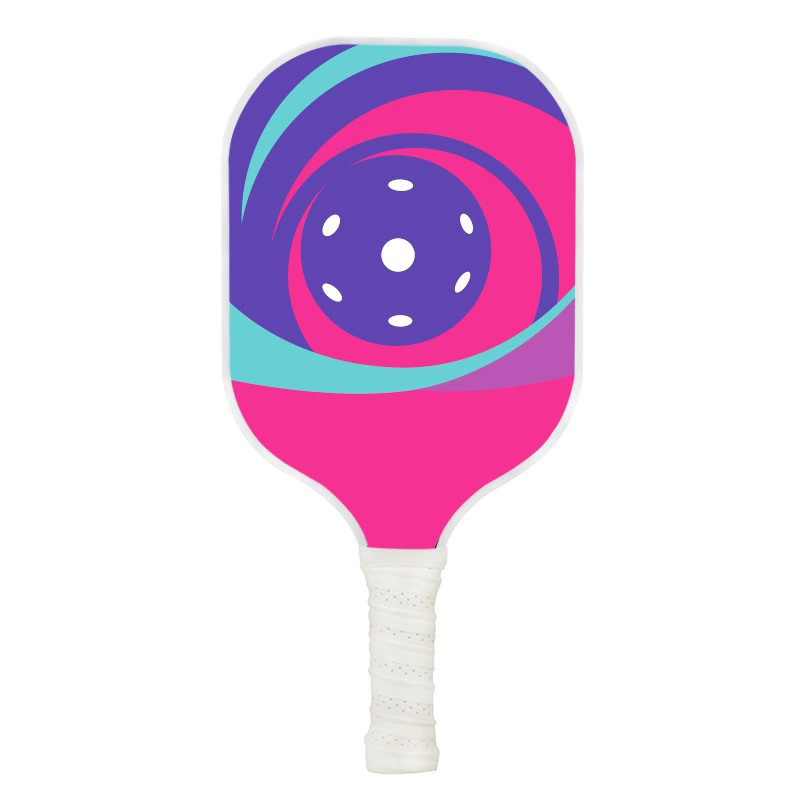
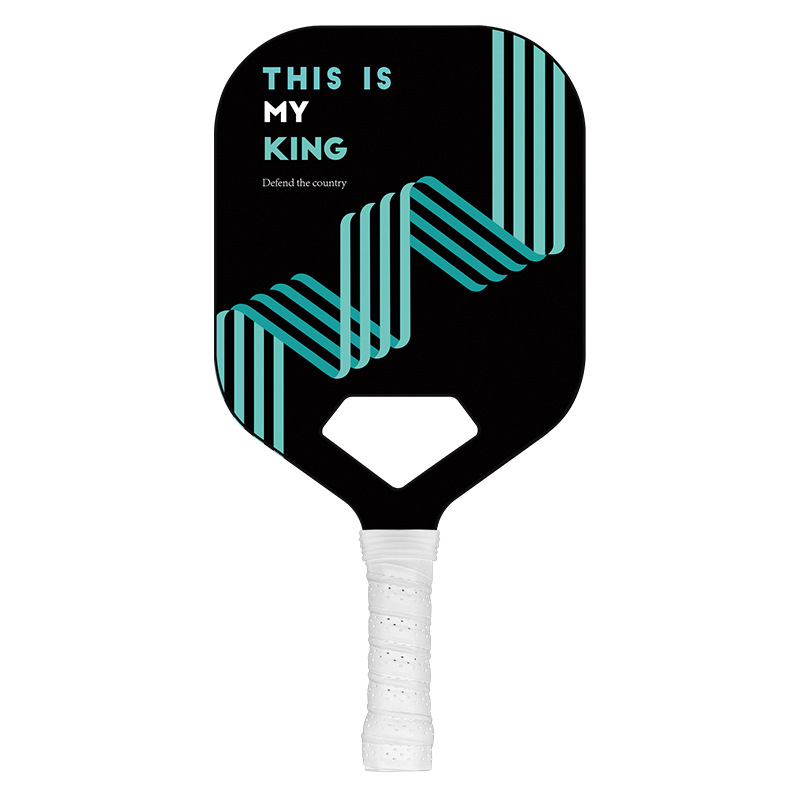
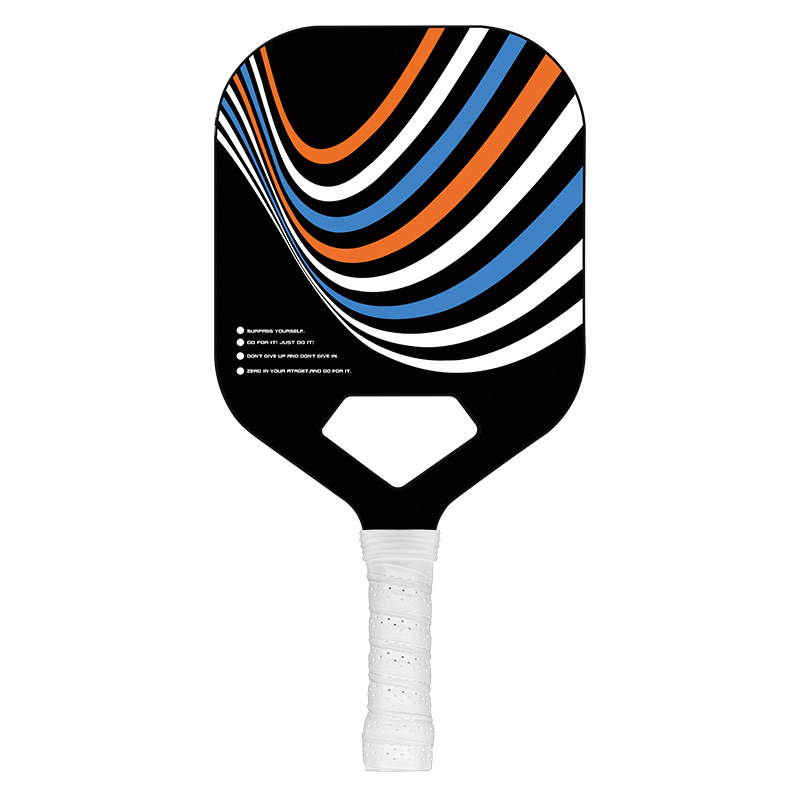
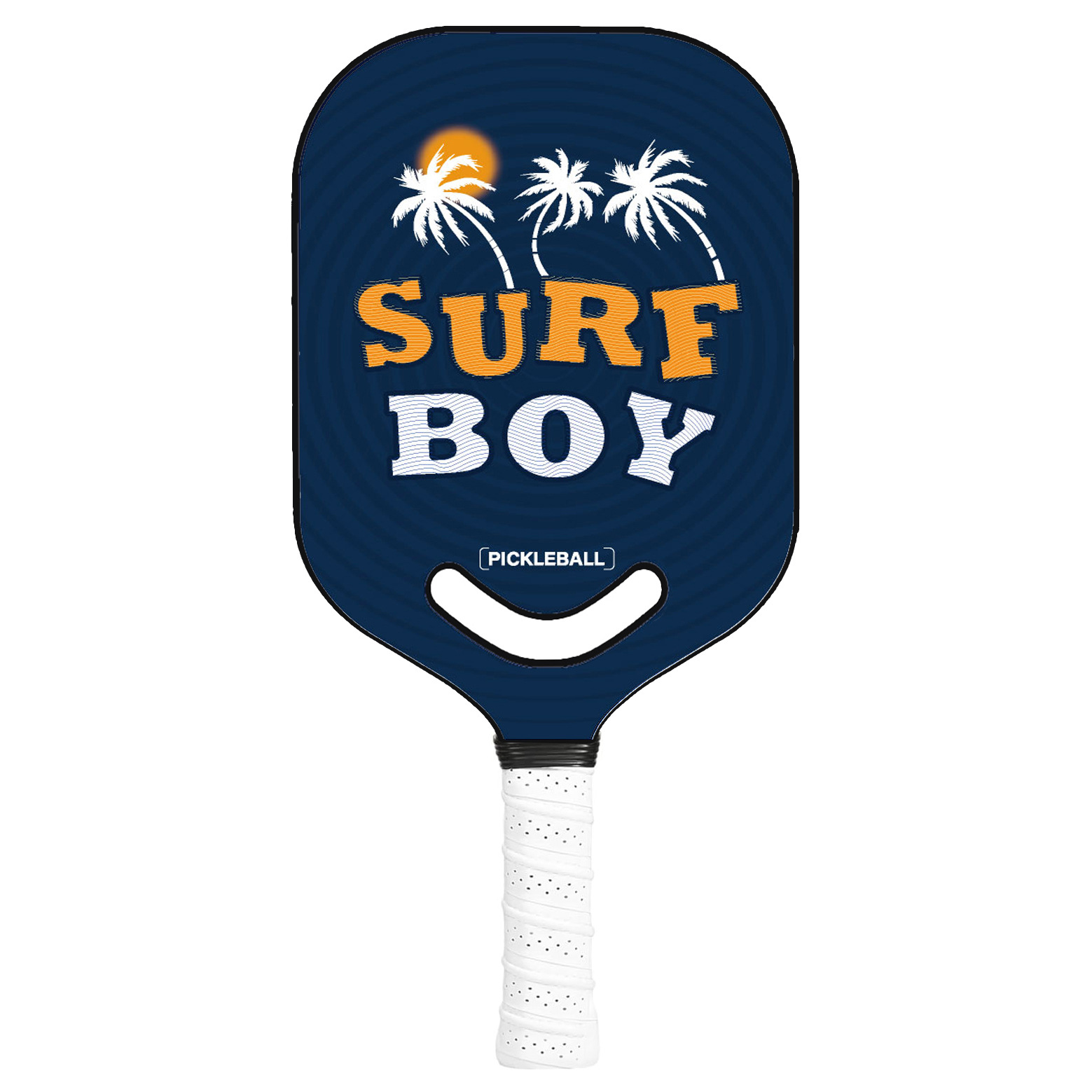
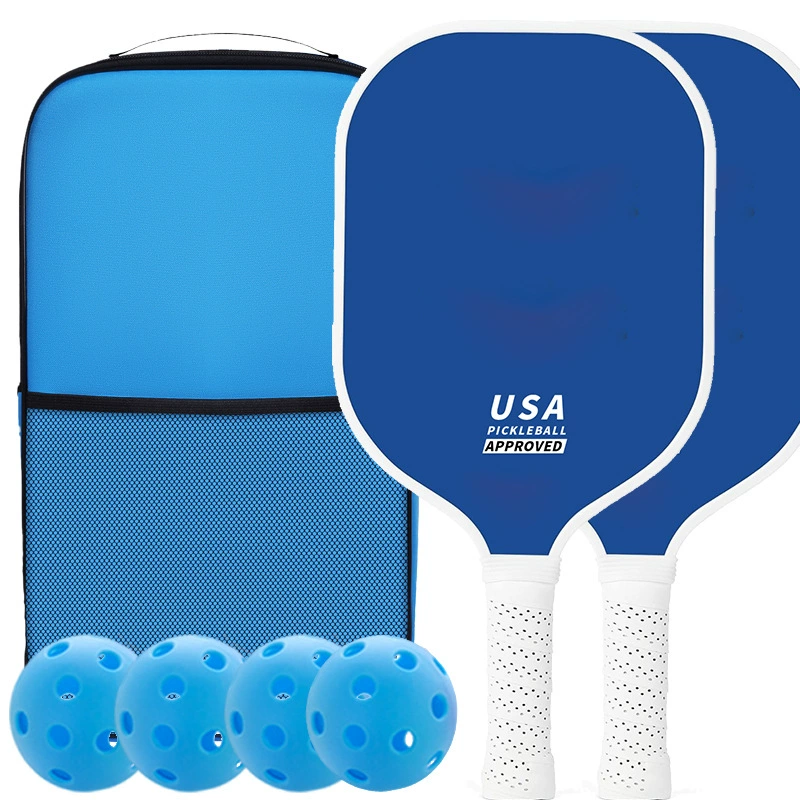
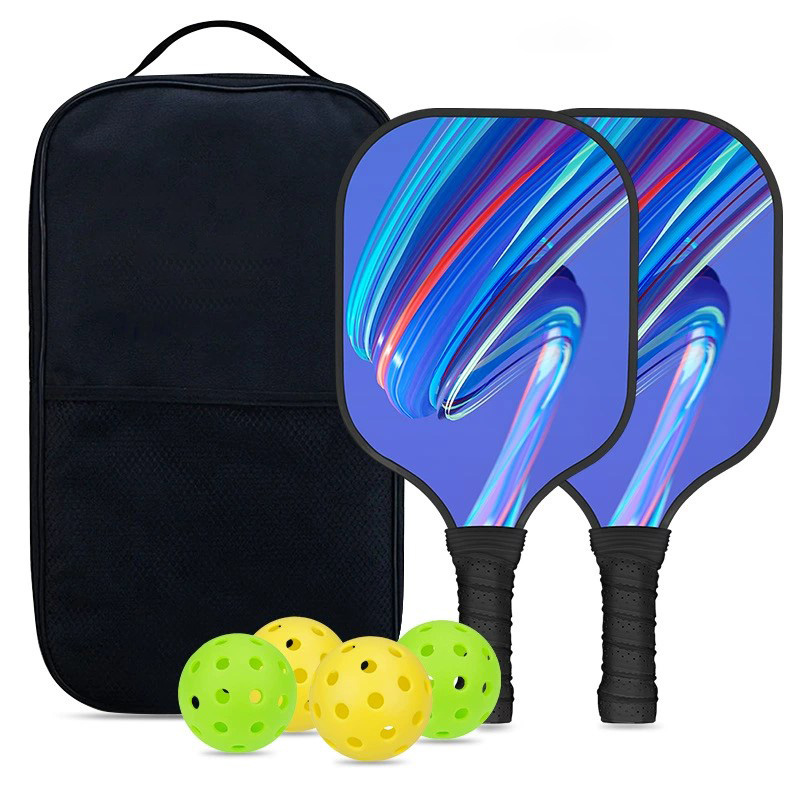
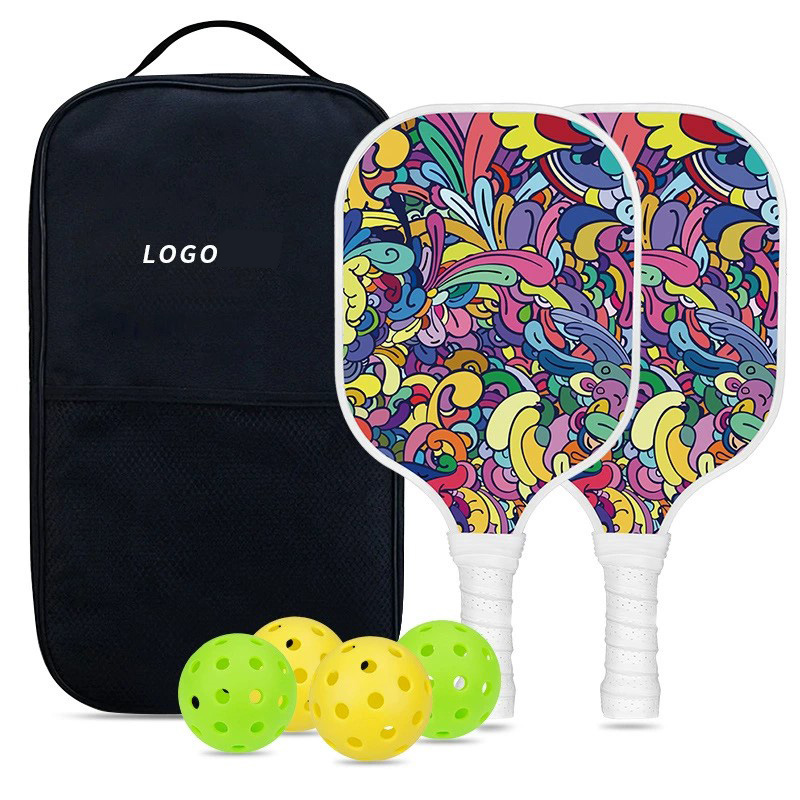
- Graphic customization
- Performance engineering consultation
Our manufacturing philosophy combines:
- Sports science
- Precision engineering
- Real player feedback
We do not simply manufacture products —
we help brands create competitive equipment solutions.
15. The Best Thermoformed Pickleball Paddles Balance Power, Comfort, and Control
Thermoforming changed the pickleball industry forever.
But true innovation goes beyond stiffness and raw power.
The best modern pickleball paddles combine:
- Controlled pop
- Smart vibration management
- Stable sweet spots
- Arm-friendly engineering
- Long-term playability
At POM, we believe great paddle design is about balance.
As a professional pickleball equipment manufacturer and experienced pickleball paddle factory, we continue pushing thermoformed paddle technology forward through:
- Patent innovation
- Advanced material science
- Precision manufacturing
- Athlete-driven testing
Because the future of pickleball performance is not just harder paddles.
It is smarter engineering.
We have a pickleball paddles factory of skilled engineers ready to support you in your product development journey from idea design to production.Any ideas about your product you can contact us freely,and our engineers will get back to you with a quote asap. Whatsapp +86 18902611680
Who is POM?
As a leading pickleball factory, POM is committed to providing high-quality sports equipment and accessories for pickleball enthusiasts. We believe that pickleball is not only a competitive sport, but also a lifestyle.
What is your product range?
We pecialize in the design and production of high quality pickleball equipments,such as pickleball paddles,pickleball balls,pickleball nets,pickleball accessories…
Are you a manufacturer or a trader?
Can you provide samples?
•Of course, usually we will provide samples for your testing. For custom printed samples, pls send your requirements to us for checking the sample cost.
• It takes about 7 days for sample production.
Can I have my custom logo , design or size?
Sure. We can do any packaging with your design. You can still have your own logo.