

The global surge in pickleball has put immense pressure on the pickleball equipment manufacturer landscape. For a professional buyer, the nightmare isn’t the initial sample—it’s the performance decay. You source a batch of pickleball paddles that pass the USAPA (USA Pickleball Association) deflection test at the factory, only to receive reports from customers three months later that the paddles have “gone soft” or, conversely, become “illegal trampolines” that fail field testing.
Understanding why this happens requires a look into the molecular level of material science and the mechanical stressors of high-frequency play. As a leading pickleball paddle factory, POM has analyzed thousands of failed units to identify the structural risks that threaten your brand’s reputation.
1. The Science of the USAPA Deflection Test and Material Fatigue
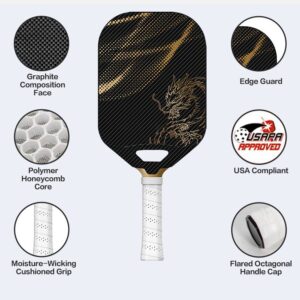
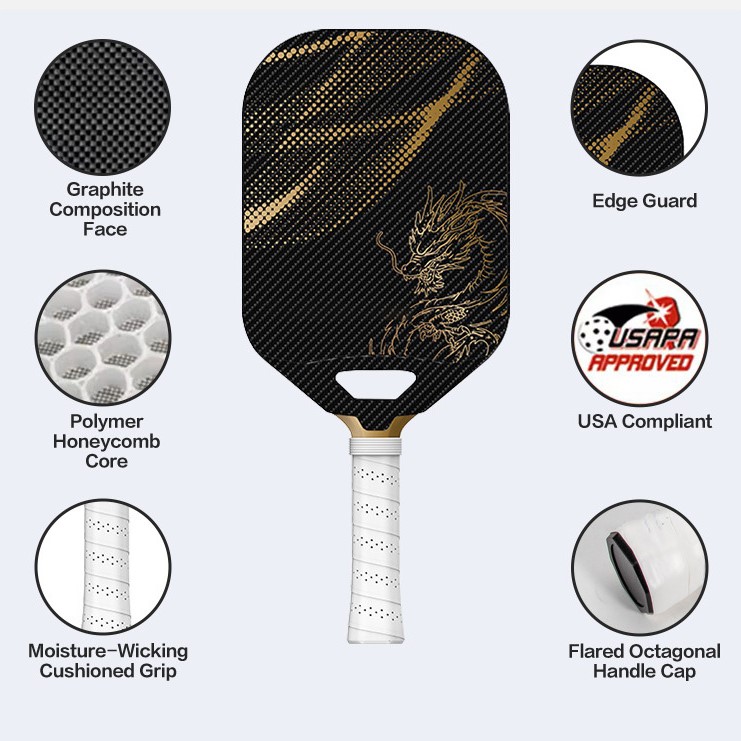
The USAPA deflection test measures how much a pickleball paddle surface “gives” under pressure. It is designed to ensure no paddle has an unfair “trampoline effect.” However, many pickleball paddles from subpar OEMs use low-grade epoxy resins that suffer from rapid thermal degradation. After 90 days of heavy use in varying climates, the resin bond between the face and the honeycomb core begins to micro-fracture. This increases the surface deflection, turning a once-compliant paddle into an illegal one. A reliable pickleball equipment manufacturer must use high-Tg (Glass Transition Temperature) resins to ensure the paddle’s “spring” remains constant over millions of cycles.
2. Choosing the Right Pickleball Paddle Core: Polypropylene vs. Advanced Composites
The “engine” of any pickleball paddle is its core. Most manufacturers use a Polypropylene (PP) honeycomb. However, the density of this honeycomb is where many factories cut corners. A low-density core might feel great in a 5-minute demo, but under “heavy use,” the cell walls of the honeycomb begin to buckle. This leads to “dead spots” and inconsistent deflection values. At POM, our pickleball paddle factory utilizes high-density, small-cell honeycomb structures that offer superior compressive strength, ensuring the paddle retains its structural integrity long after the “honeymoon phase” of the first month.

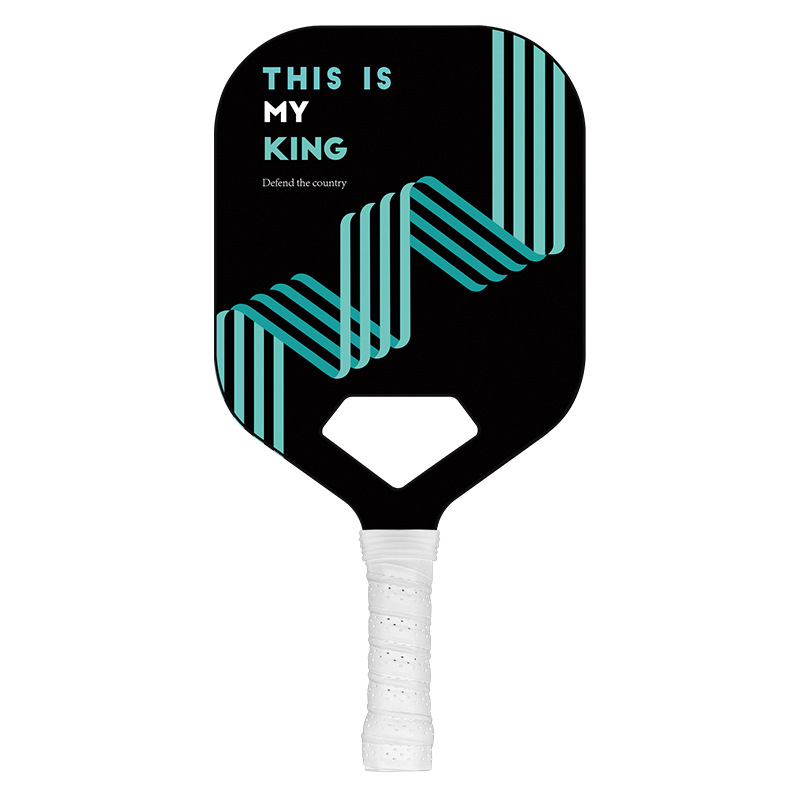
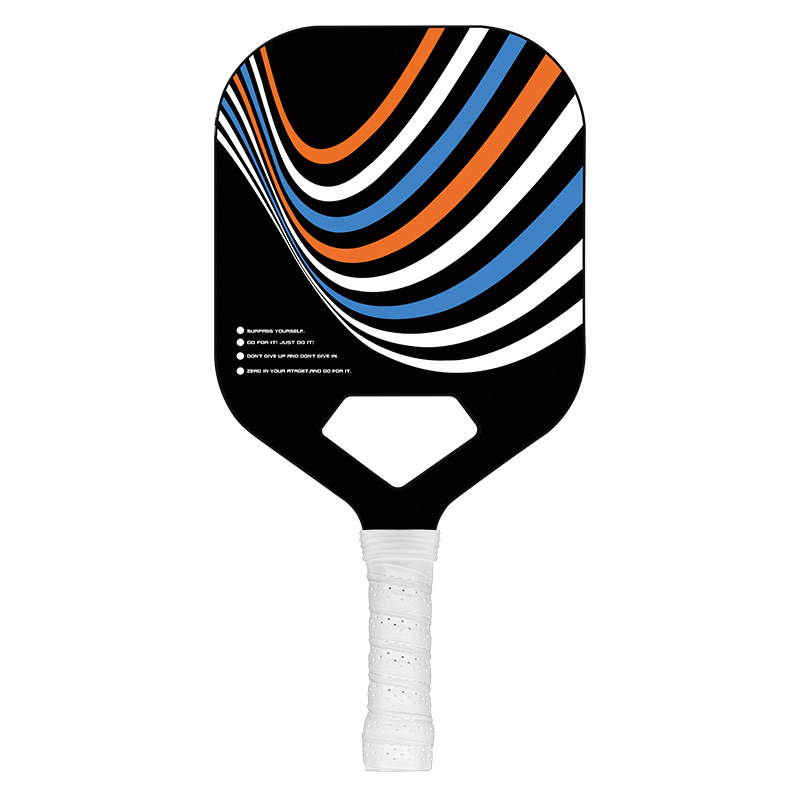
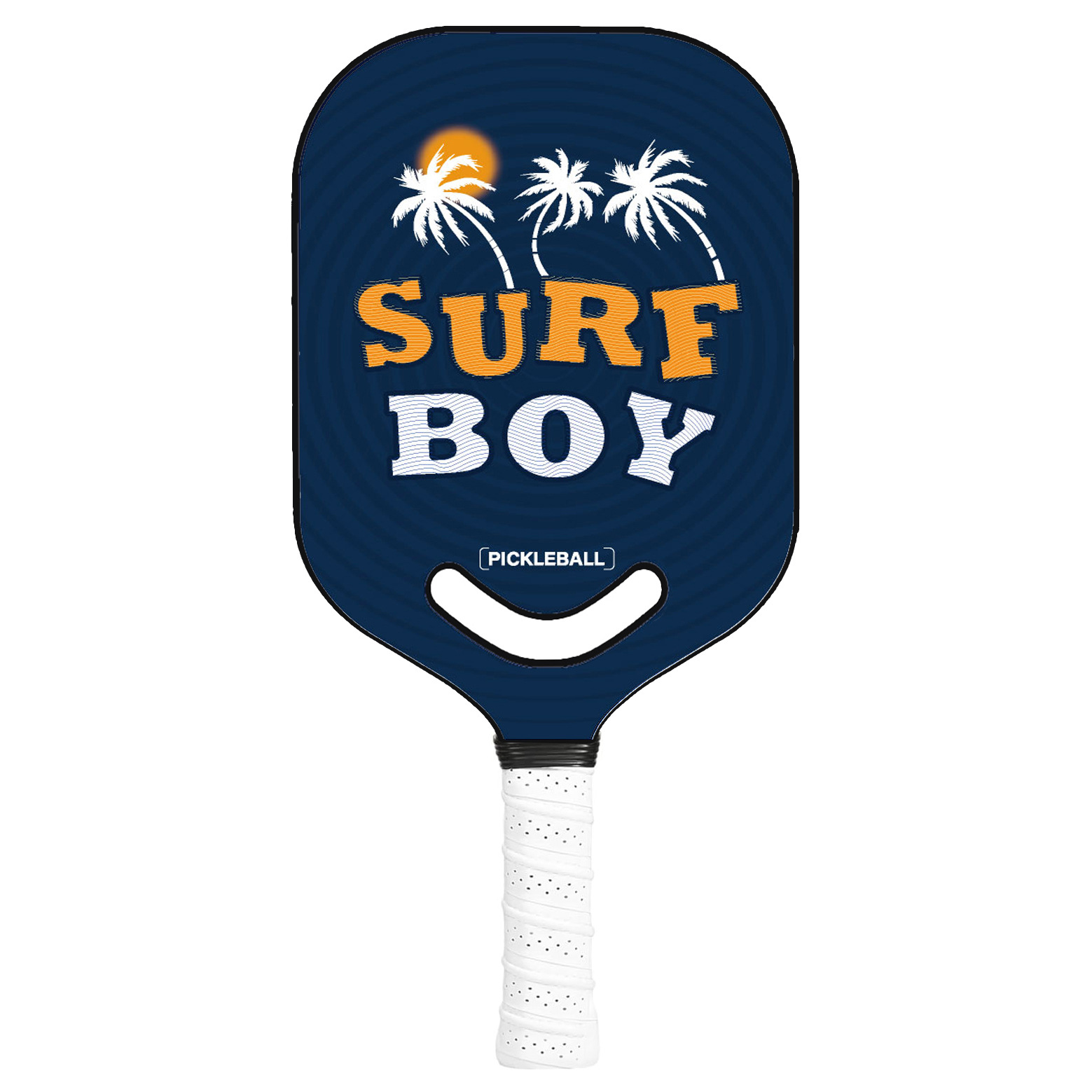
3. The Critical Role of Toray T700 Raw Carbon Fiber in Durability
When searching for a pickleball equipment manufacturer, you will see “Carbon Fiber” everywhere. But not all carbon is equal. Many budget paddles use “carbon-imitation” fiberglass or low-modulus carbon that loses its tension. The industry gold standard for pickleball paddles is Toray T700 Raw Carbon Fiber. Its weave stability is essential for maintaining surface friction and preventing the face from “rounding out” over time. If the face loses its flatness, it will fail the USAPA deflection and roughness tests simultaneously.
4. Thermoforming vs. Cold Pressing: Impacts on Paddle Lifespan
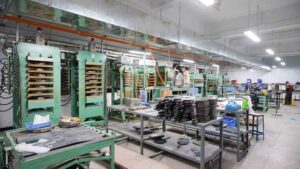
The manufacturing process is as vital as the material. Traditional “Cold Press” paddles are prone to delamination—the face peeling away from the core. Modern pickleball paddles often utilize “Thermoforming,” where the paddle is molded under high heat and pressure. While thermoforming creates a more “poppy” and durable edge, if the cooling cycle isn’t managed correctly by the pickleball paddle factory, internal stresses are locked into the material. These stresses release during play, causing the paddle to warp or fail deflection tests within months.
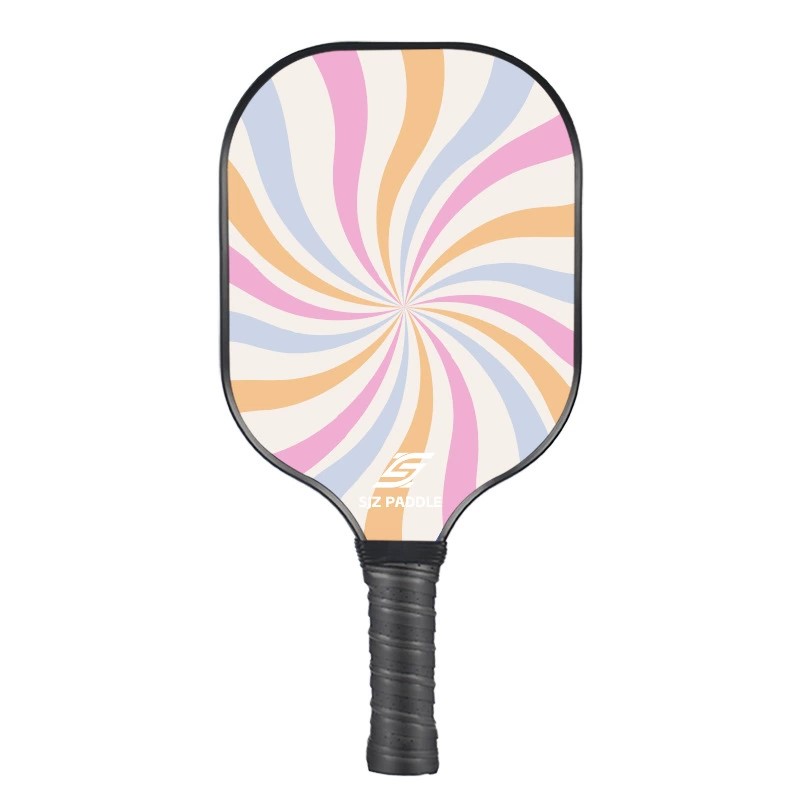
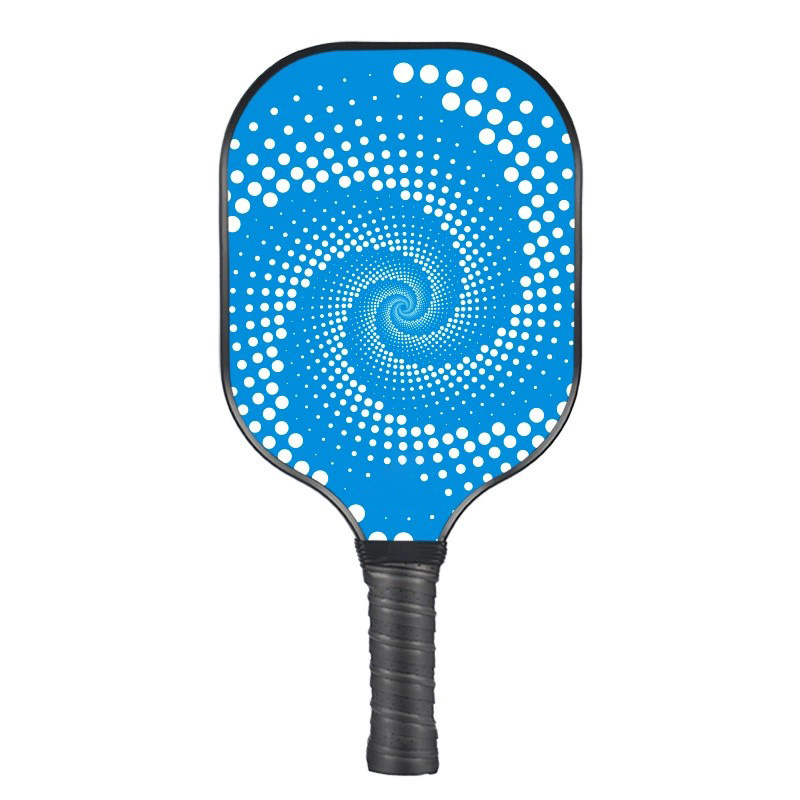
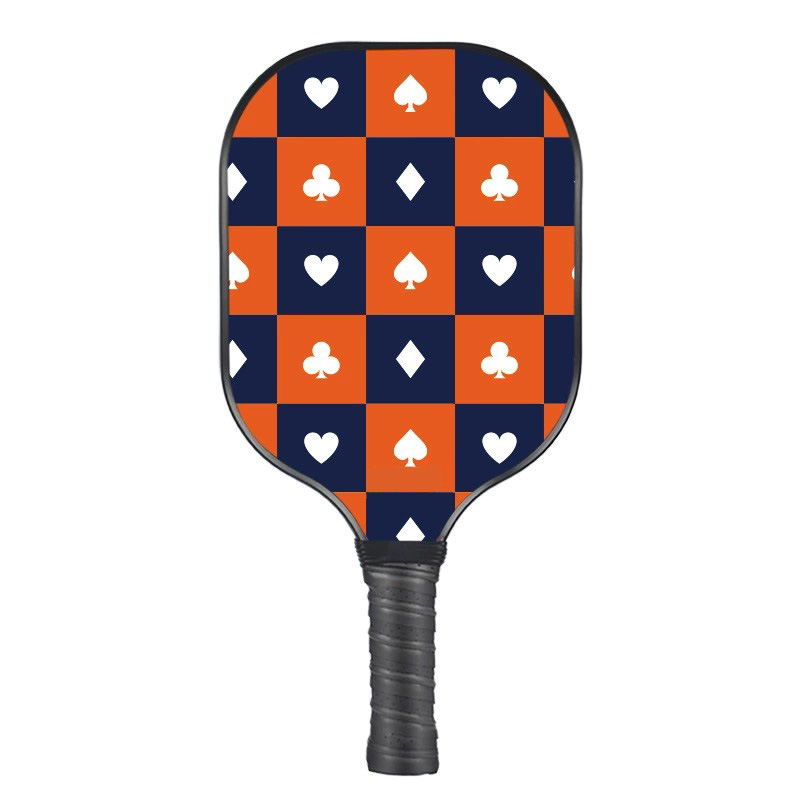
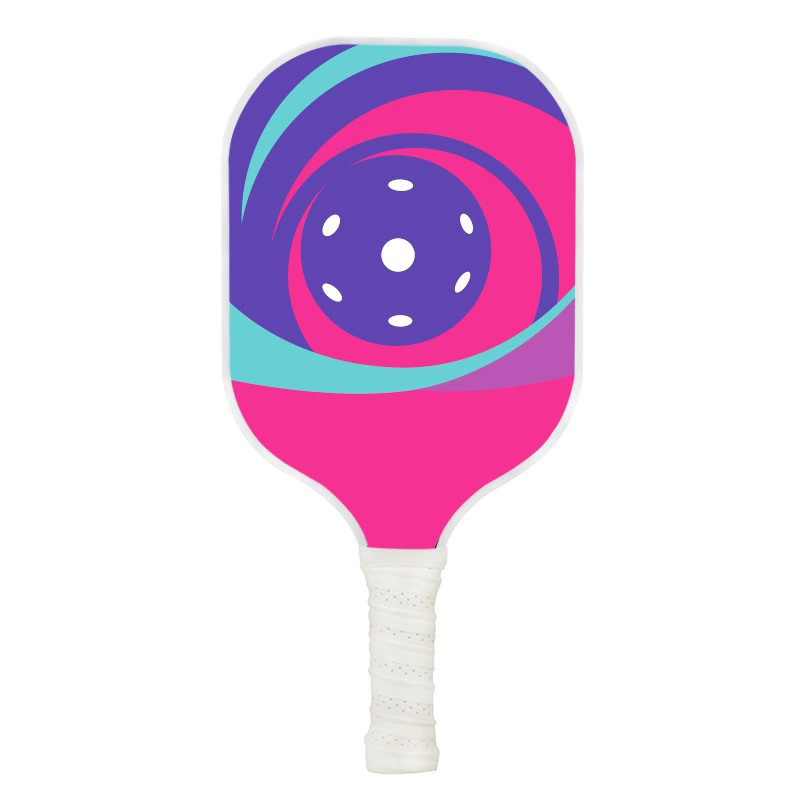
5. Why Edge Guard Integrity is a Leading Indicator of Internal Health
A pickleball equipment manufacturer often treats the edge guard as a cosmetic trim, but it is actually a structural “girdle.” If the edge guard is not bonded with industrial-grade cyanoacrylates or specialized urethanes, moisture and grit can penetrate the core. Once moisture enters the honeycomb, the internal pressure changes, directly affecting deflection results. A “rattling” edge guard is usually the first sign that the internal core-to-face bond is failing.
6. Foam Injection and the Quest for the Perfect Sweet Spot
High-performance pickleball paddles now feature perimeter foam injection to increase the “Sweet Spot” and add stability. However, inconsistent foam density can create “hot zones” on the paddle face. If a USAPA tester happens to place their gauge over an area with air pockets in the foam, the deflection reading will spike. Ensuring a void-free foam injection is a hallmark of a sophisticated pickleball paddle factory that prioritizes QC over speed.
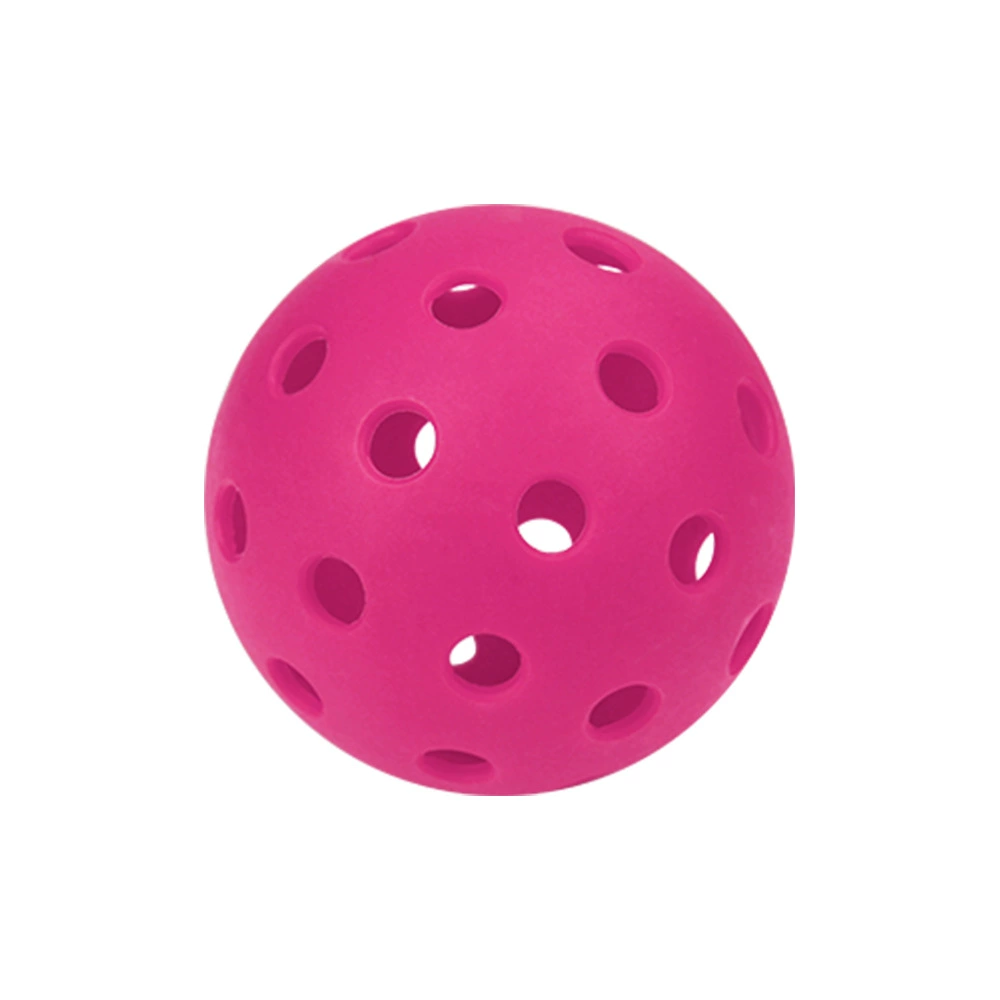
7. Surface Grit Retention: The "Hidden" Failure Point
While not strictly a “deflection” issue, surface grit (friction) is the other half of USAPA compliance. Many OEMs apply a “spray-on” grit that wears off in weeks. Once the grit is gone, the underlying resin is exposed to more direct impact, accelerating the breakdown of the face fibers. POM utilizes an “In-Mold Texture” or “Peel Ply” finish for our pickleball paddles, ensuring the texture is part of the carbon weave itself, not just a temporary coating.
8. Environmental Stress Screening (ESS) in Pickleball Equipment Manufacturing
Why do paddles pass in a climate-controlled factory in China but fail in the humidity of Florida or the heat of Arizona? A professional pickleball equipment manufacturer must conduct Environmental Stress Screening. This involves subjecting pickleball paddles to rapid temperature cycling and “accelerated aging” tests. By simulating six months of use in a lab, we can identify which resin-core combinations will fail the USAPA deflection test before they ever leave the shipping dock.
9. How to Verify Your Manufacturer’s Quality Control Lab
As a buyer, you should ask your pickleball paddle factory for their deflection test logs. Do they use the same Starrett gauges and calibrated weights as the USAPA? If the factory’s internal testing equipment is not calibrated to international standards, their “Pass” certificate is meaningless. Transparency in testing is the only way to avoid the “3-month failure” trap.
10. The Importance of Resin Cure Cycles in Long-Term Compliance
Many factories rush the “cure time” to meet tight shipping deadlines. If the epoxy in a pickleball paddle is only 90% cured when it is boxed, it will continue to cure—and shrink—inside the shipping container. This shrinkage creates micro-tension on the paddle face, often resulting in a paddle that is “too hot” (over-deflection) by the time it reaches the retail shelf. POM enforces strict, multi-stage curing protocols to ensure chemical stability.
11. Customizing for Pro-Level Performance Without Sacrificing Durability
When a brand asks a pickleball equipment manufacturer for a “power” paddle, the easiest way for a factory to comply is to thin out the face layers. This creates immediate power but guarantees a short lifespan. The challenge for a premium pickleball paddle factory is to achieve power through carbon modulus and core tension rather than simply making the material thinner and more fragile.
12. Avoiding "Generic" Molds in the Pickleball Industry
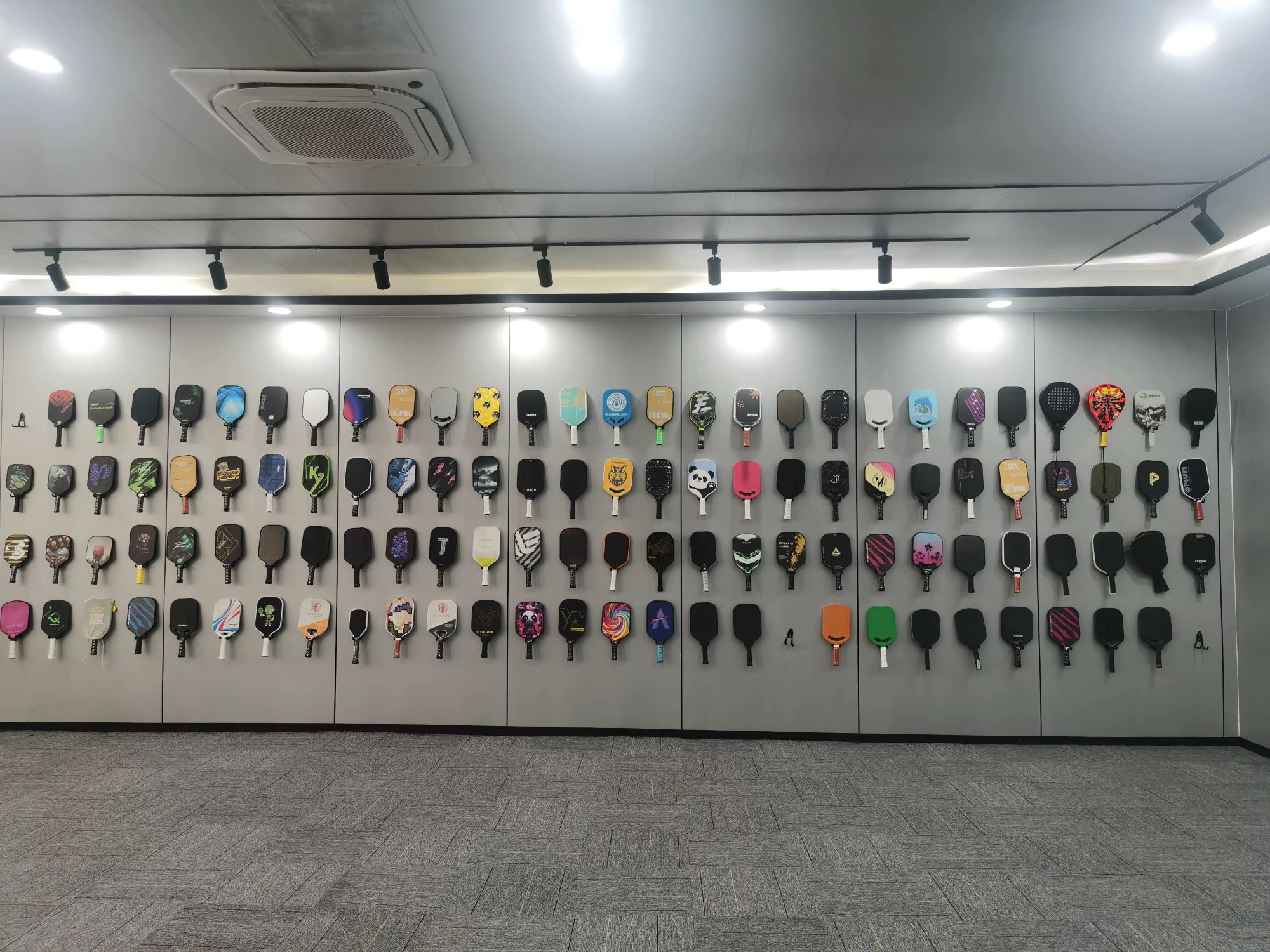
Using “open molds” provided by a factory often means you are using a design that hasn’t been optimized for modern high-impact play. Investing in proprietary molds allows for better control over wall thickness and structural reinforcements. This is a key differentiator when choosing a pickleball equipment manufacturer—do they just assemble parts, or do they engineer solutions?
13. Why POM is the Strategic Choice for High-End Pickleball Brands
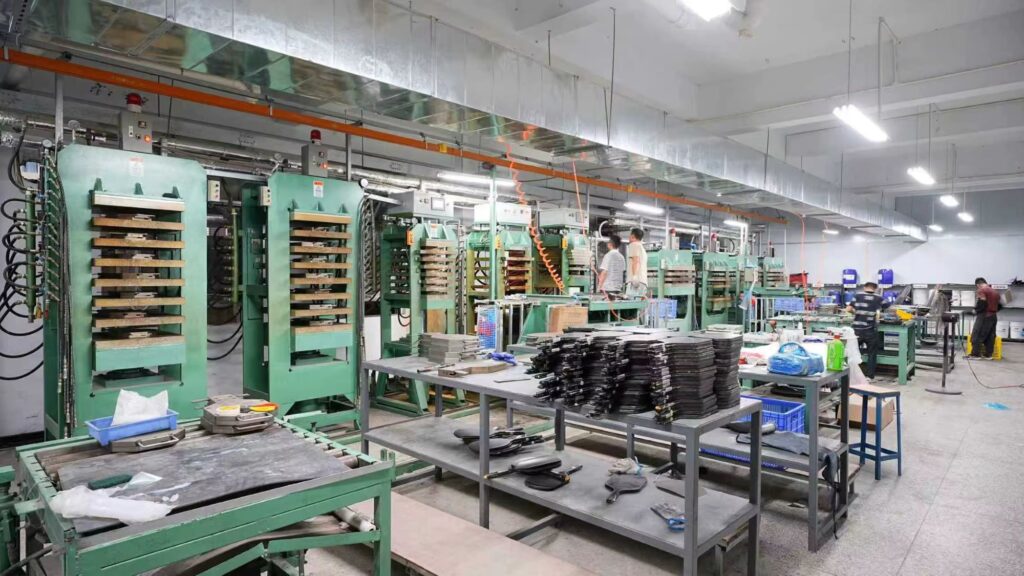
At POM, we don’t just manufacture; we engineer. We understand that your brand’s survival depends on the consistency of your pickleball paddles. Our facility combines 20 years of manufacturing expertise with a dedicated R&D lab focused specifically on the USAPA’s evolving standards. We treat every paddle as a precision instrument, ensuring that the deflection values on day 180 are as compliant as they were on day 1.
14. The Real Cost of Cheap Sourcing
In the pickleball equipment manufacturer world, you get what you pay for. A paddle that fails after three months isn’t just a lost sale—it’s a warranty nightmare and a blow to your brand’s credibility. By focusing on material science, advanced thermoforming, and rigorous deflection testing, you can provide your customers with pickleball paddles that perform at the highest level for the long haul.
Partner with the Experts at POM
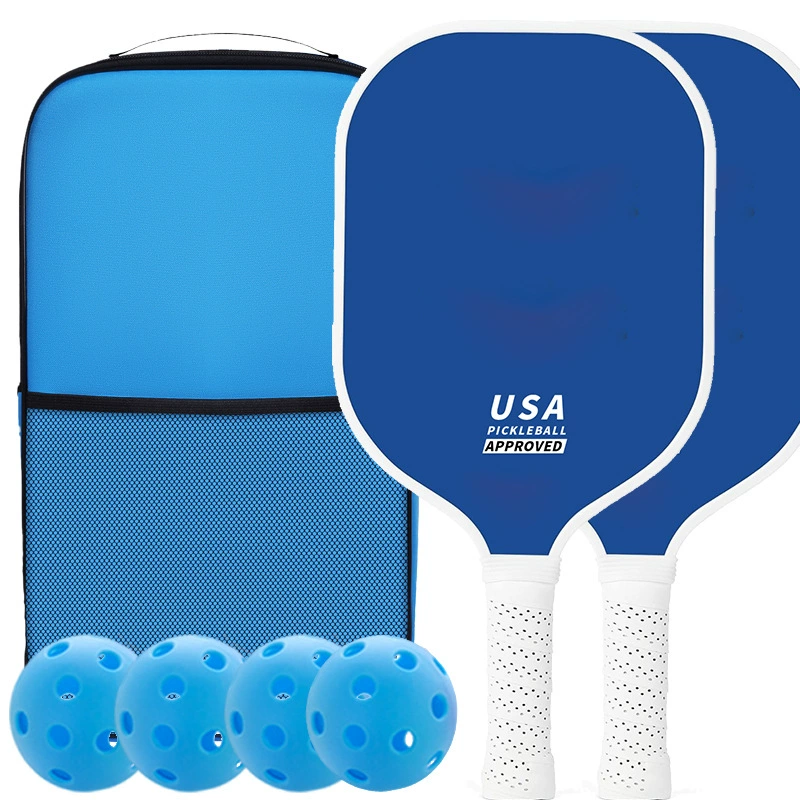
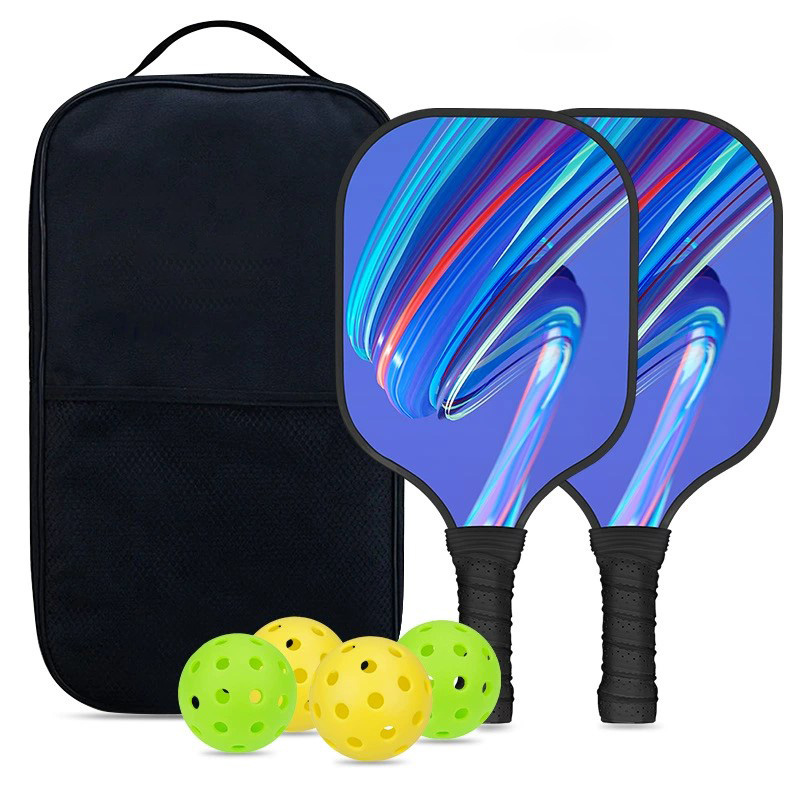
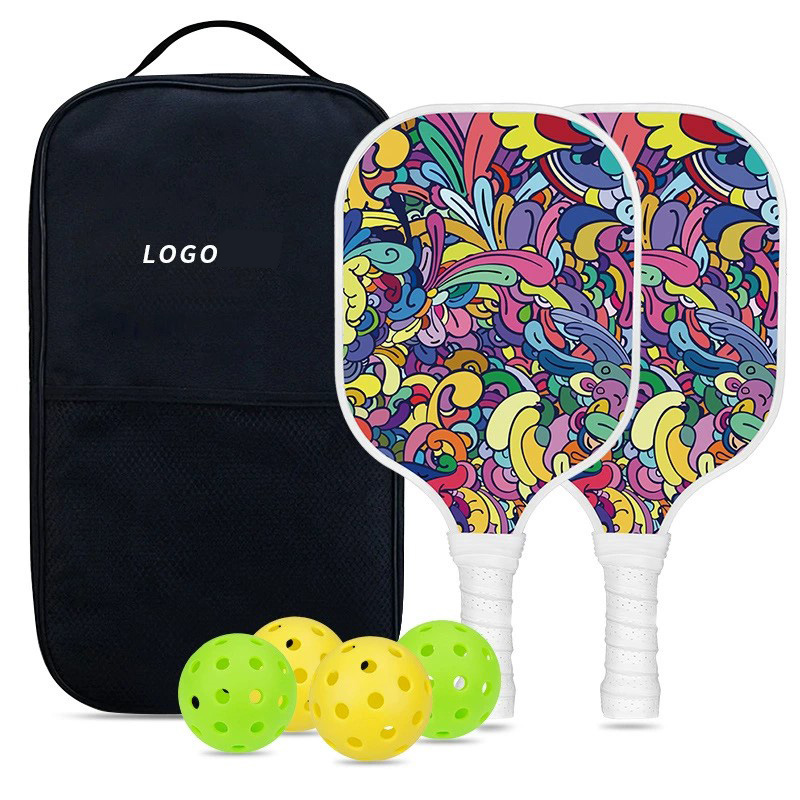
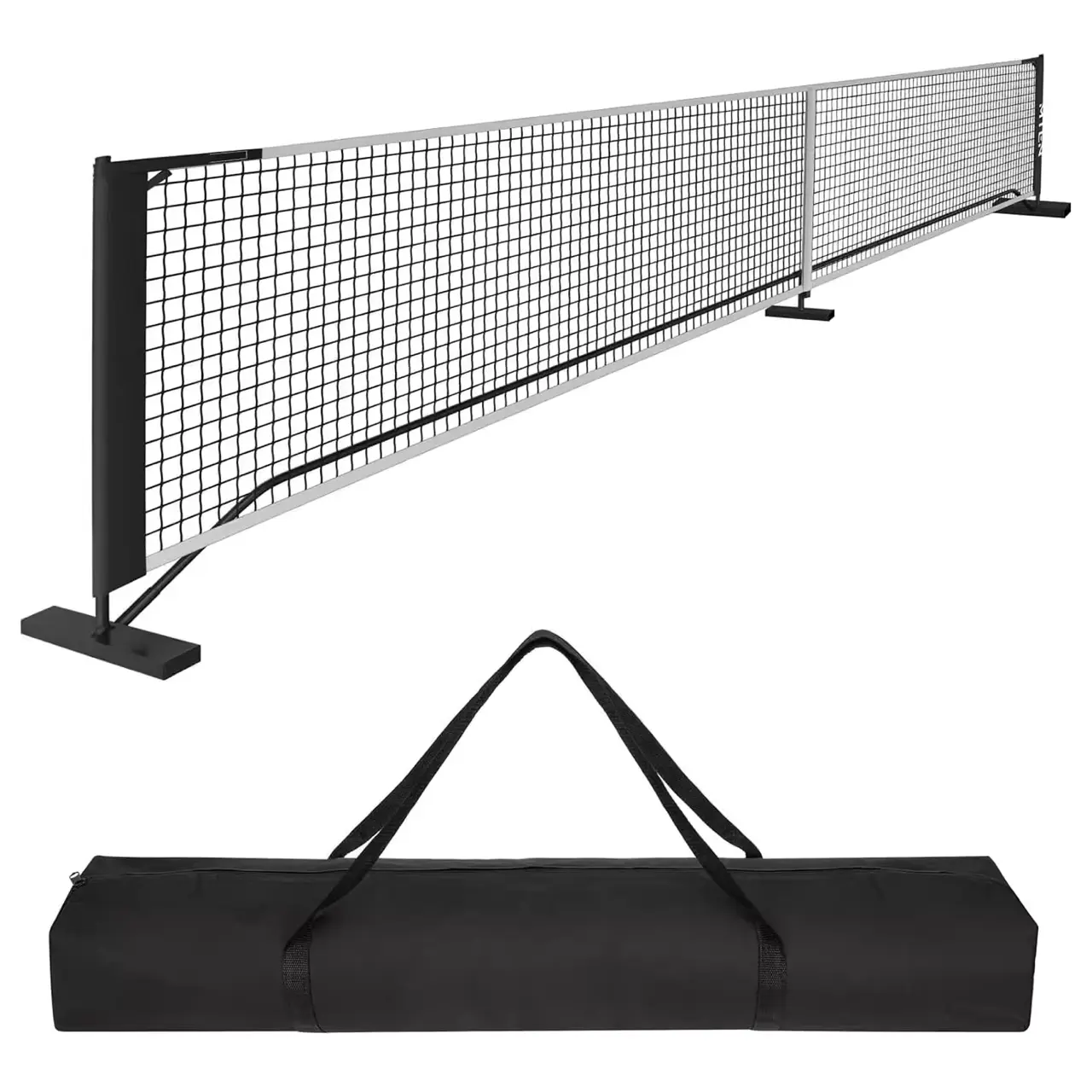
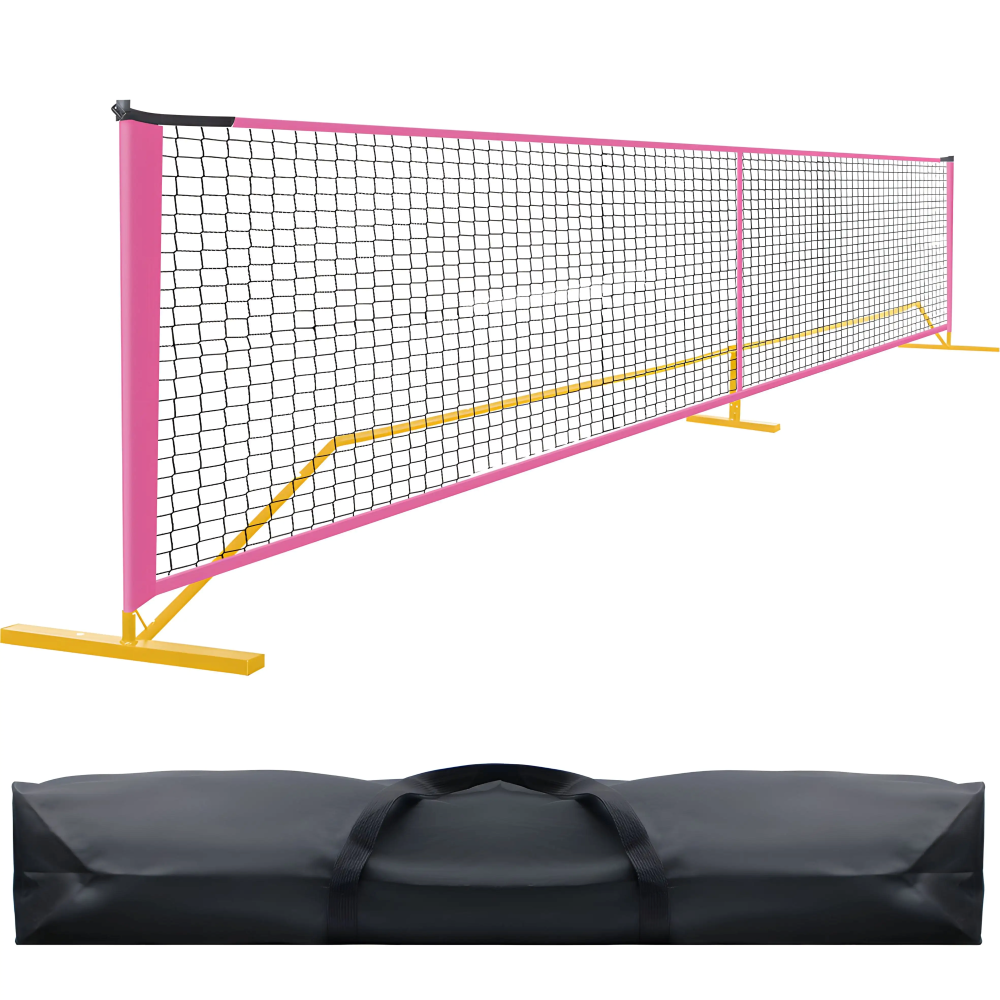
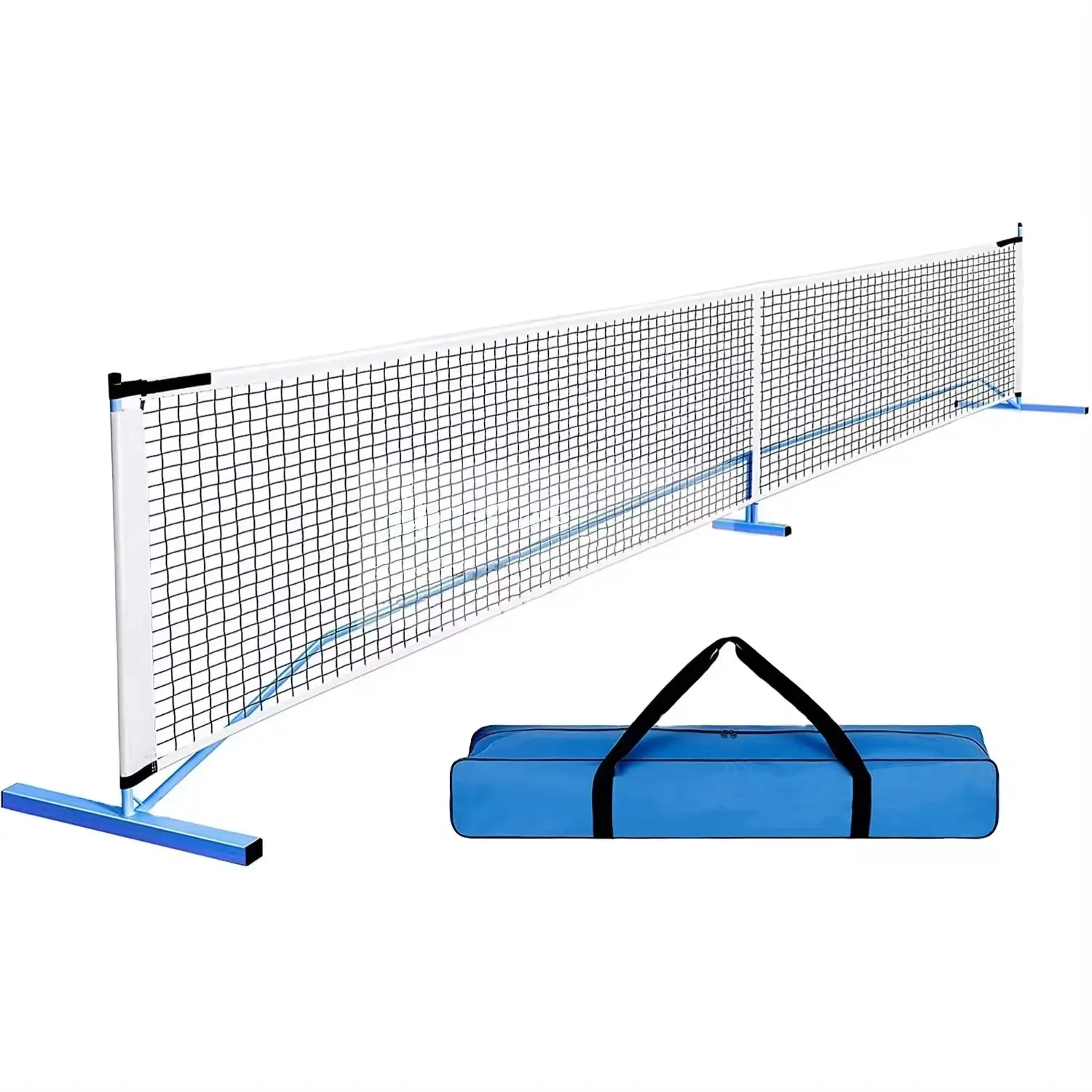
Ready to elevate your product line? As a premier pickleball paddle factory, POM offers full OEM/ODM services, specializing in high-durability, USAPA-compliant gear. From custom carbon weaves to advanced portable net systems, we provide the technical edge your brand needs to dominate the court. Contact us today to discuss your next project and see how we solve the “3-month failure” problem at the source.
We have a pickleball paddles factory of skilled engineers ready to support you in your product development journey from idea design to production.Any ideas about your product you can contact us freely,and our engineers will get back to you with a quote asap. Whatsapp +86 18902611680
Who is POM?
As a leading pickleball factory, POM is committed to providing high-quality sports equipment and accessories for pickleball enthusiasts. We believe that pickleball is not only a competitive sport, but also a lifestyle.
What is your product range?
We pecialize in the design and production of high quality pickleball equipments,such as pickleball paddles,pickleball balls,pickleball nets,pickleball accessories…
Are you a manufacturer or a trader?
Can you provide samples?
•Of course, usually we will provide samples for your testing. For custom printed samples, pls send your requirements to us for checking the sample cost.
• It takes about 7 days for sample production.
Can I have my custom logo , design or size?
Sure. We can do any packaging with your design. You can still have your own logo.