
Last Updated on 2025-12-11 by Pickleball Expert
As pickleball continues its rapid global expansion, understanding the regulatory landscape behind the sport has become essential for brands, distributors, event organizers, and facility operators. While pickleball is still relatively new in many markets, governments, sports federations, and national associations are beginning to formalize governing policies—from facility construction guidelines to national federation recognition, import requirements for balls and paddles, and safety standards for organized play.
For international purchasers and industry stakeholders, clarity on these market policies is invaluable. As POM, a professional manufacturer of pickleball paddles, tournament-grade balls, nets, and related accessories, we actively support partners worldwide by tracking regulatory trends that influence product selection, certification, and compliance.
This report provides a comprehensive international pickleball policy analysis, focusing on current standards, government involvement, and emerging legislation across key global markets. It is designed to assist distributors, retailers, and facility operators in making informed decisions about sourcing, importing, and selling pickleball equipment.
1. United States: The World’s Largest and Most Mature Pickleball Policy Environment
The United States remains the epicenter of pickleball, and its policy framework—while not government-regulated—has evolved through organizational structures and increasing institutional involvement.
1.1 Governance Policies
The primary governing body is USA Pickleball (USAP), which provides:
Official rulebooks
Tournament certification requirements
Paddle and ball approval processes
Standards for court construction and line dimensions
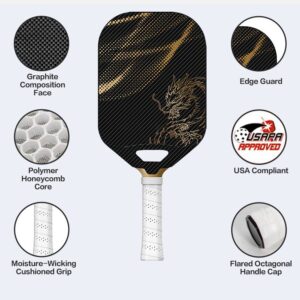
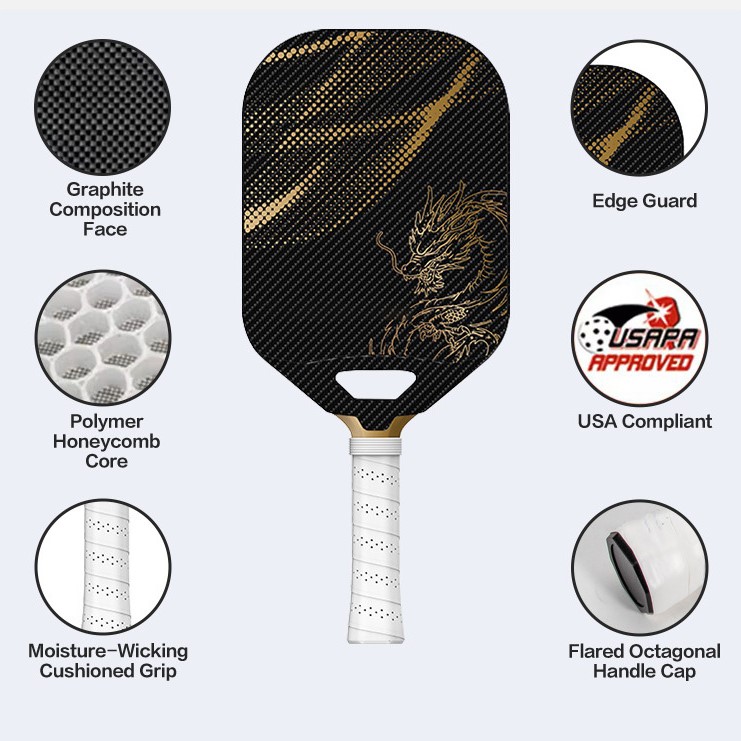
USAP’s equipment approval requirements are especially relevant for manufacturers. Paddles must pass:
Surface texture tests
Deflection and coefficient-of-friction limits
Shape size limits (17 inches maximum total length)
Pickleball balls must meet:
Diameter and weight ranges
26-40 hole count
Bounce height standards
Hardness specifications tested via durometer
1.2 Facility Policies
Many states have begun incorporating pickleball into public recreation infrastructure. While there are no federal regulations, municipalities issue:
Noise impact guidelines for outdoor courts
Zoning permits for construction
Safety standards for community recreation areas
Park-use restrictions for peak hours
These local regulations influence demand for quieter paddles and sound-reduced pickleball balls.
1.3 Import, Retail, and Compliance
There is no national certification required for selling pickleball equipment in the U.S., but retailers strongly prefer:
USAP-approved paddles and balls
Labeling that follows US Consumer Product Safety guidelines
Packaging compliant with ASTM toy safety standards (when marketing junior paddles)
Summary:
The U.S. market is competitive but transparent. The primary “policy barriers” are equipment approval standards controlled by USAP.
2. Canada: Rapid Growth Supported by Strong Provincial Sports Policy
Canada’s pickleball participation has exploded, and its formal policy structure is more government-linked than in the U.S.
2.1 Governance
Pickleball Canada Organization (PCO) is the national governing body. It works closely with:
Provincial sports ministries
School sports associations
Local governments
PCO provides guidelines for:
Court construction in community centers
Facility grants to encourage expansion
Coach certification pathways
Tournament sanctioning policies
2.2 Government Involvement
Canadian provinces often support pickleball development through:
Funding under community health programs
Senior activity subsidies
Infrastructure grants for multi-use courts
Certain provinces (Ontario, British Columbia, Alberta) have created noise management policies, requiring builders to:
Install acoustic barriers
Use noise-reduced balls
Space courts away from residential zones
2.3 Equipment Policies
There is no mandatory national certification, but major tournaments require PCO-recognized, USAP-approved gear.
Summary:
Canada’s policy environment is structured, government-supported, and increasingly standardized across provinces.
3. The European Union: Early-Stage but Rapidly Formalizing Pickleball Policies
Pickleball in Europe is growing quickly, but policy maturity varies across countries. The EU provides overarching product import regulations that manufacturers must meet.
3.1 EU-Wide Regulations
While pickleball sports policies are not unified, product compliance regulations apply to all EU member countries:
CE Marking Requirements (if equipment marketed as training or exercise equipment)
REACH Chemical Compliance (materials must follow EU standards)
Customs Duties and HS Code Classification for paddles and plastics goods
3.2 Country-by-Country Policy Snapshot
United Kingdom (non-EU but influential)
Pickleball England is recognized by the UK Sports Confederation
Facility construction guided by UK Safety & Accessibility Standards
Growing adoption in public schools
Germany
Emerging regulatory interest through local sport club systems
Indoor facility safety mandated by German DIN sports standards
Noise regulations for outdoor courts can be strict
France
Recognized by Fédération Française de Pickleball
Government grants for “sports nouveaux” include pickleball
Municipalities require court safety certificates for public areas
3.3 Equipment Compliance
Tournaments across Europe typically require:
ITSF or USAP-equivalent approval
CE/REACH-compliant materials
Summary:
Europe is developing strong safety and compliance requirements, particularly for facility construction and product materials.
4. Australia: Nationally Supported and Structurally Organized Pickleball Policies
Australia’s pickleball ecosystem benefits from centralized sport governance combined with active community support.
4.1 Governance
Pickleball Australia Association (PAA) oversees:
National guidelines for competition
Equipment approval (aligned with USAP)
Coaching accreditation
Insurance and liability standards for clubs
4.2 Facility and Court Policies
Australian state governments often require:
Certified surfacing for public courts
Slip-resistance standards for flooring
Heat-resistant outdoor equipment for public facilities
Outdoor court construction must meet Australian building code safety standards, especially for fencing and lighting.
4.3 Equipment Policies
Imported pickleball products must comply with:
Australian Consumer Law (ACL) labeling requirements
Material safety declarations
Biosecurity and packaging regulations (important for wood-based paddles)
Summary:
Australia has some of the most structured facility guidelines, with environmental standards influencing equipment choice.
5. Japan: Structured Sports Regulation and High Product Quality Expectations
Japan is not yet a pickleball superpower, but policies are detailed due to the country’s rigorous sports administration.
5.1 Governance
Japan Pickleball Association (JPA) manages:
National tournament registration rules
Coach certification programs
Official school adoption guidelines
5.2 Facility Regulation
Japan applies strict facility codes for public gymnasiums, affecting pickleball court installation:
Court dimensions must follow local gym floor zoning
Emergency evacuation paths must remain unobstructed
Non-slip flooring standards apply to indoor courts
Noise limits in mixed-use recreation centers are common
5.3 Equipment Standards
Japan favors high-quality, certified equipment. Common expectations:
USAP-approved balls and paddles
Eco-friendly material declarations
Precise product labeling in Japanese
Summary:
Japan does not impose unique pickleball-specific regulation, but its general sports facility standards are among the strictest worldwide.
6. South Korea: A Fast-Emerging Market with Federated Oversight
Pickleball in South Korea has grown exceptionally fast due to its appeal to both senior and youth players.
6.1 Governance
Korean Pickleball Association (KPA) regulates:
Competition rules
Rating systems
Public facility certification
6.2 Facility Policies
Local governments require:
Floor shock absorption standards for public indoor courts
Safety padding for column areas inside gyms
Noise-reduction rules for rooftop or outdoor courts
6.3 Equipment Requirements
Retailers and distributors must comply with:
Korean Safety Certification (KC Mark)—not mandatory for pickleball gear, but sometimes required if marketed to children
Country-of-origin labeling laws
Korean-language packaging requirements
Summary:
Korea’s policy environment emphasizes safety, product labeling, and facility certification.
7. Southeast Asia Region: The Next Global Growth Engine with Varied Policy Maturity
Southeast Asia is now one of the most promising regions for pickleball expansion. However, regulatory frameworks differ significantly.
7.1 Singapore
Recognized by the national sports council
Strict facility standards for indoor courts
Heat-resistant outdoor surface requirements
Import duties and GS1 barcode registration commonly required
7.2 Malaysia
Pickleball recognized as an emerging sport
Less formal regulation, but safety rules for public courts apply
Common requirement: customs documentation for sporting goods imports
7.3 Thailand
Rapid adoption through tourism and community clubs
Facility permits required for commercial court businesses
Growing interest in tournament standardization
7.4 Indonesia
Pickleball mostly community-driven
Few formal policies, but customs import rules are detailed
Equipment labeling in Bahasa Indonesia sometimes required
7.5 Vietnam
Early-stage market with minimal regulation
Public sports centers require safety certification for new court lines
Significant growth expected in 2025–2030
Summary:
Southeast Asia represents a massive opportunity, with policies still forming—ideal for early market entry.
8. Middle East: Government-Led Sports Development with Strong Infrastructure Investment
Countries such as the UAE, Saudi Arabia, and Qatar are investing heavily in pickleball as part of national sports diversification strategies.
8.1 United Arab Emirates
High-end sports complex standards
Licensing required for commercial sports academies
Heat-resistant equipment strongly preferred due to climate
8.2 Saudi Arabia
National Sports Strategy includes new leisure sports such as pickleball
Government grants support multi-sport facilities
Import approvals required for high-volume commercial shipments
8.3 Qatar
Strict facility engineering requirements
Indoor courts dominate due to climate
Priority on premium equipment for professional events
Summary:
The Middle East prioritizes premium equipment and professional-standard facility construction.
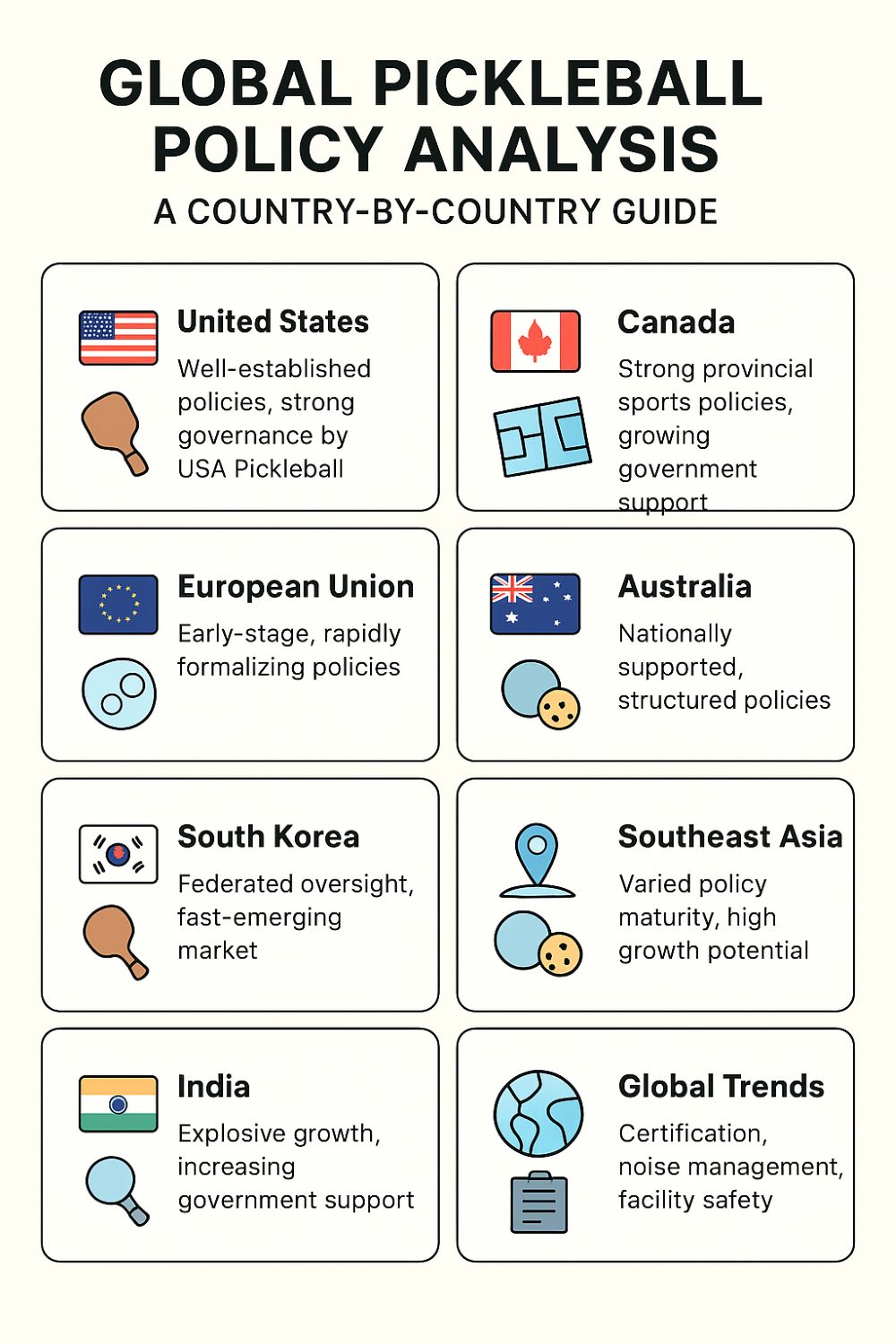
9. India: Explosive Growth with Increasing Government Support
India’s fast-growing recreational sports sector has begun recognizing pickleball’s potential.
9.1 Governance
All India Pickleball Association (AIPA) oversees:
National tournament rules
Player rating systems
Coaching accreditation
9.2 Facility Policies
State-level sports authorities require:
Non-slip flooring in public gyms
Safety clearance around courts
Multi-purpose line marking standards
9.3 Equipment Expectations
There is no formal certification yet, but competitive tournaments require USAP-approved paddles and balls.
Summary:
India is rapidly formalizing pickleball policy and presents strong long-term potential.
10. Key Policy Trends Influencing Global Pickleball Equipment Buyers
Across all markets, several common regulatory trends are emerging:
10.1 Increasing Demand for Certified Equipment
More countries now require:
National federation approval
USAP compliance
Quality and safety labeling
10.2 Noise Management Policies
Outdoor court construction regulations are pushing demand for:
Quiet paddles
Softer or sound-reduced balls
Acoustic fencing solutions
10.3 Facility Safety Standards
Global trends include:
Non-slip indoor surfaces
Proper court spacing
Certified net systems
Lighting uniformity standards
10.4 Environmental and Chemical Compliance
Especially in the EU, UK, and Japan:
Material safety declarations
Eco-friendly packaging
REACH compliance
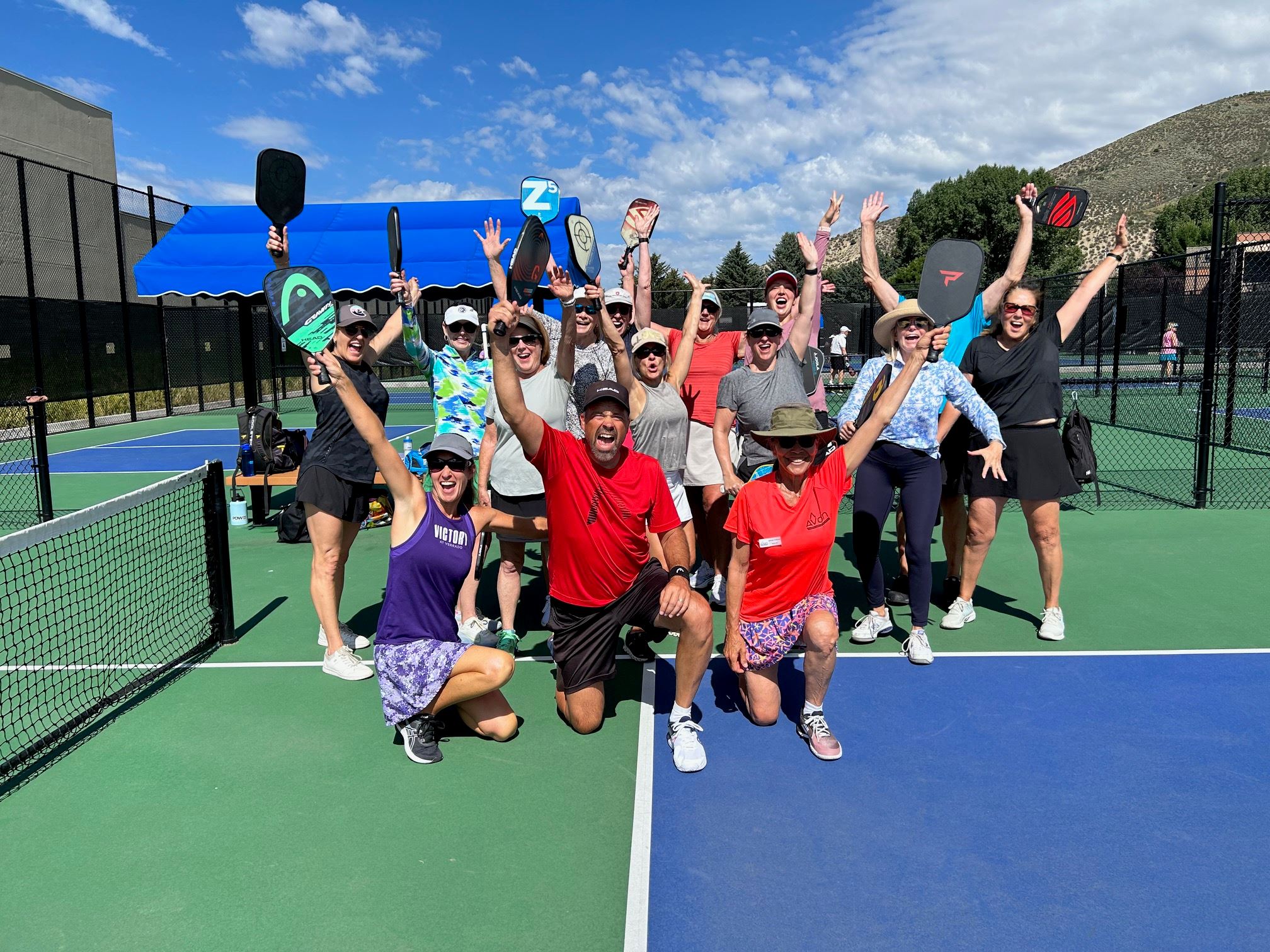
10.5 Senior-Friendly Sports Policies
North America, Europe, and Asia are supporting pickleball as a healthy aging initiative, accelerating facility construction and equipment demand.
11. What These Policies Mean for International Buyers
As a global pickleball equipment supplier, POM ensures that our pickleball products meet the regulatory expectations of different countries. Partners benefit from:
11.1 USAP-Approved Balls and Paddles
Supporting tournament entry and retailer requirements.
11.2 Country-Specific Packaging and Documentation
Including labeling in required languages.
11.3 Compliance with International Material Safety Standards
Such as CE, REACH, and ASTM.
11.4 Customizable Product Lines
Including:
Noise-reduced balls for strict municipalities
Weather-resistant outdoor paddles for high-heat climates
Lightweight paddles ideal for senior training programs
11.5 OEM and ODM Solutions
For brands expanding into regulated markets such as Japan, Canada, or Australia.
A Global Pickleball Landscape Moving Toward Formal Regulation
Pickleball is no longer a casual backyard activity—it is a rapidly growing international sport with increasing government recognition, facility oversight, and product compliance expectations. While policy maturity varies across countries, global trends point toward:
More national federations
Better-defined safety and facility standards
Stronger equipment certification norms
Growing import and labeling regulations
Significant public investment in senior sport development
For distributors, academy operators, or retail chains seeking to enter or expand in global pickleball markets, understanding country-specific policy environments is now essential.
As an international manufacturer, POM is ready to support partners with compliant, high-quality pickleball supplies tailored for each region’s requirements.
If you need:
Country-specific compliance consultation
Customized product documentation
OEM/ODM solutions for regulated markets
Wholesale supply of tournament-grade paddles, balls, and nets
Our team is ready to assist.
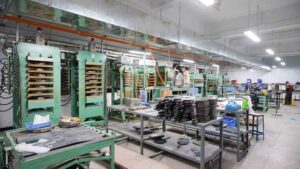
We have a pickleball paddles factory of skilled engineers ready to support you in your product development journey from idea design to production.Any ideas about your product you can contact us freely,and our engineers will get back to you with a quote asap. Whatsapp +86 18902611680
Who is POM?
As a leading pickleball factory, POM is committed to providing high-quality sports equipment and accessories for pickleball enthusiasts. We believe that pickleball is not only a competitive sport, but also a lifestyle.
What is your product range?
We pecialize in the design and production of high quality pickleball equipments,such as pickleball paddles,pickleball balls,pickleball nets,pickleball accessories…
Are you a manufacturer or a trader?
Can you provide samples?
•Of course, usually we will provide samples for your testing. For custom printed samples, pls send your requirements to us for checking the sample cost.
• It takes about 7 days for sample production.
Can I have my custom logo , design or size?
Sure. We can do any packaging with your design. You can still have your own logo.